

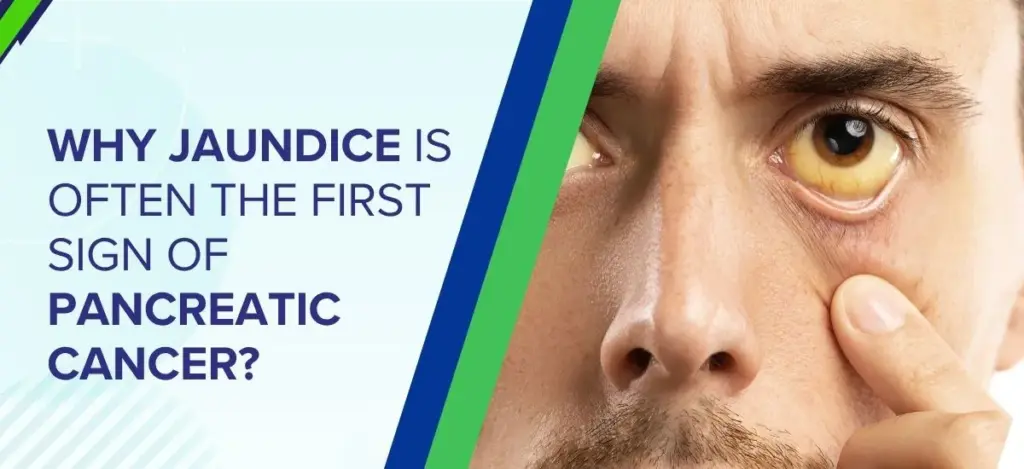
Jaundice is caused by the accumulation of bilirubin, a yellow pigment formed by the breakdown of red blood cells, in the body, which leads to yellow discoloration of the eyes and skin. Jaundice can be caused by a tumour blocking the bile duct, which restricts the flow of bile. This blockage can occur at an early stage of the disease and in many patients can be the first sign of pancreatic cancer and result in jaundice. Dr Vipulroy Rathod, a top-rated Gastroenterologist in Mumbai, India, employs cutting-edge technology such as EUS, ERCP and imaging, to diagnose and treat pancreatic and bile duct disorders with a minimally invasive approach.
Dr. Rathod has a wealth of experience in the diagnosis and management of pancreatic, biliary and gastrointestinal diseases spanning more than 30 years. He has extensive expertise in both Endoscopic Ultrasound (EUS) and ERCP, along with minimally invasive procedures, providing highly effective diagnosis and tailored treatment. His expertise helps patients receive advanced evaluation and pancreatic cancer treatment in Mumbai, India, depending on the condition.
What is the relationship between pancreatic cancer and bile production? Learn about the reasons for jaundice associated with pancreatic cancer.
Why Does Pancreatic Cancer Cause Jaundice?

The pancreas is located close to the bile duct, which carries bile from the liver to the intestine. When a tumour grows in the pancreatic head region, it can press against or block this duct.
This blockage results in bilirubin accumulation in the body and the development of the following symptoms:
Yellowing of eyes and skin
Pale feces
Overall discomfort
Dark urine
Itching
Jaundice associated with pancreatic cancer should be properly assessed since the same symptoms may develop in case of gallstones, bile duct issues or other liver problems.
Can jaundice indicate an underlying condition? Let’s explore why early attention matters.
How Does Jaundice Appear as an Early Warning Sign?

While other signs of pancreatic cancer may come in a late stage of illness, jaundice may appear if the tumour obstructs the bile ducts even in an early phase of pancreatic cancer development. The patient may observe changes in skin color, eyes, urine or feces.
Early examination allows doctors to understand whether jaundice is connected to pancreatic cancer or some other gastrointestinal disease.
What symptoms should not be ignored? Let’s look at the common signs associated with pancreatic cancer.
Top 5 Symptoms That May Occur With Pancreatic Cancer

Apart from jaundice, some other signs that can accompany pancreatic cancer are:
Pain in abdomen or back:
This can happen because of the pressure on the organ.
Weight loss:
Loss of appetite and changes in digestion can lead to it.
Loss of appetite:
Some people may have reduced appetite.
Changes in digestion:
There may be nausea, indigestion or changes in bowel movements.
Weakness and fatigue:
They can occur due to the disease.
These signs can coincide with those of other digestive problems.
Could certain factors increase the chances of developing pancreatic cancer? Let’s explore the common risk factors.
Who Is at Higher Risk of Pancreatic Cancer?

There are certain risk factors which may increase the likelihood of having pancreatic cancer such as:
Increased age
Family history of pancreatic cancer
Smoking
Pancreatitis
Diabetes, particularly when diabetes is newly developed
Inherited syndromes
Excessive exposure to unhealthy habits
Having a risk factor does not necessarily imply the development of cancer.
What happens after jaundice is detected? Let’s understand the diagnostic approach.
How Is Pancreatic Cancer Diagnosed After Jaundice Appears?

Some of the diagnostic procedures performed by specialists to diagnose jaundice and pancreatic issues are the following:
Blood test
For determining the amount of bilirubin and functioning of the liver.
Ultrasound or CT scan
For diagnosing any blockages or abnormal growths.
EUS (Endoscopic Ultrasound)
Can be helpful to obtain more images and even take tissue samples.
MRI and MRCP
For visualizing bile ducts and pancreas.
ERCP
For the evaluation of bile duct blockage and providing therapy when necessary.
Modern diagnostic tools allow for making a proper treatment plan.
How is jaundice managed in pancreatic cancer patients? Let’s explore the available approaches.
Treatment Options for Jaundice Caused by Pancreatic Cancer

The treatment options will depend on the extent of the cancer and the reasons behind the blocked bile ducts. Some of the possible treatment options include:
Bile duct stenting
Bile duct stenting can be done using an ERCP procedure to unblock the bile duct and treat jaundice.
Surgery
Surgical removal of the tumor is an option if appropriate.
Chemotherapy
Can be suggested based on type and extent of cancer.
Palliative treatment
To manage symptoms and enhance quality of life.
Dr. Vipulroy Rathod has expertise in performing endoscopic procedures and specializes in treating problems associated with pancreatic and bile ducts.
Can early awareness influence pancreatic cancer care? Let’s understand the importance of timely diagnosis.
Why Recognising the First Sign of Pancreatic Cancer Matters

Awareness of jaundice as a possible symptom helps the patient get an early medical examination. Due to the fact that the symptoms of pancreatic cancer are quite hard to notice, unusual changes should be taken into account.
Early detection will help improve treatment options and overall pancreatic health.
Conclusion
The appearance of jaundice can be the first sign of pancreatic cancer since jaundice develops due to obstruction in the bile ducts. Symptoms that should be noticed include yellowing of the eyes, dark-coloured urine, changes in digestion, and weight loss without apparent reason.
Under the care of Dr. Vipulroy Rathod, the diagnosis of the patient is made more precise and individualised when dealing with pancreatic and bile duct problems. Assessment is very important in selecting the proper treatment strategy.
Frequently Asked Questions
Jaundice may be one of the earliest signs of the condition, particularly where there is obstruction of the bile ducts.
No. Jaundice can also occur due to gallstones, liver disease, or bile duct problems.
Symptoms may include abdominal pain, weight loss, appetite loss, digestive changes, and fatigue.
Tests such as blood tests, scanning, EUS, ERCP, and biopsies, as appropriate, may be used for diagnosis.
Yes, it can be treated depending on the stage of the cancer.
Yes, ERCP may be used to place stents, when necessary, to relieve bile duct obstruction.
EUS produces highly detailed images of the pancreas.
Anyone with yellowish eyes, dark urine, or abdominal issues should see a doctor.
Disclaimer: The information shared in this content is for educational purposes and not for promotional use.
References
- National Cancer Institute: Pancreatic Cancer Information
https://www.cancer.gov/types/pancreatic - American Cancer Society: Pancreatic Cancer Overview
https://www.cancer.org/cancer/types/pancreatic-cancer.html
