
...

Dr. Vipulroy Rathod

Contact Us

    Crohn's Disease Treatment in Mumbai

    Crohn’s disease is a long-term inflammatory bowel disease (IBD) that can inflame any part of the digestive tract, most often the end of the small intestine and the start of the colon. The inflammation can run deep into the bowel wall. Over time it can cause ongoing diarrhoea, abdominal pain, weight loss, fatigue, strictures (narrowing of the bowel) and fistulas.

    Dr. Vipulroy Rathod, a leading gastroenterologist in Mumbai, says: “Crohn’s disease can’t be ignored or treated by guesswork. When it is picked up early and treated the right way, most patients get their symptoms under control and avoid serious complications.”

    Dr. Rathod has over 30 years of experience, using a combination of careful diagnosis and modern therapies to provide effective Crohn’s disease treatment in Mumbai. All treatment plans are tailored to the individual’s disease pattern, symptoms and lifestyle with the aim of long-term remission.

    The cause of Crohn’s disease and who may be more at risk. Let’s start with the main causes and risk factors.

    Causes and Risk Factors of Crohn's Disease

    The exact cause of Crohn’s disease is not fully understood. It is believed to develop when the immune system reacts abnormally in a person who is genetically susceptible. The common contributing factors are:

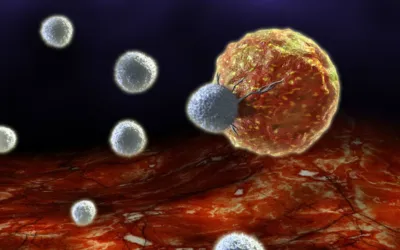
    Illustration of a large, textured orange-red cell being approached by several small round white cells against a reddish tissue-like background, suggesting immune interaction.

    Immune System Dysfunction:

    The immune system attacks the healthy lining of the digestive tract, causing chronic inflammation.
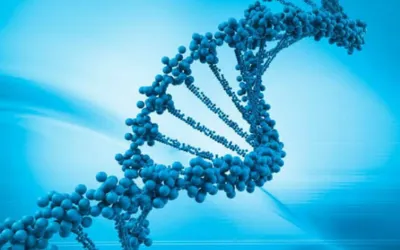
    Blue DNA double helix model against a light blue gradient background.

    Family History & Genetics:

    Risk is increased significantly if the parent, brother or sister has a diagnosis of IBD.

    Person holding a vaping device or cigarette toward another person who raises an open hand in a stop gesture, signaling refusal or boundary.

    Smoking:

    Smoking is a powerful modifiable risk factor. It also renders the disease more aggressive and enhances the likelihood of relapse.
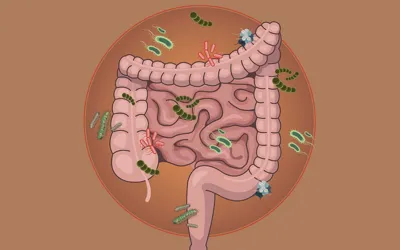
    Illustration of the large intestine with colorful bacteria surrounding and inside the colon, illustrating the gut microbiome.

    Gut Microbiome Changes:

    Some imbalance in the bacteria that normally reside in the intestines can contribute to inflammation.

    Woman at a desk in an office holds a slice of layered cake with cream, looking toward the camera.

    Diet and Urban Lifestyle:

    Rising incidence of IBD has been attributed to diets rich in processed foods and low in fibre, as well as to the shift in lifestyle that has taken place in urban areas.
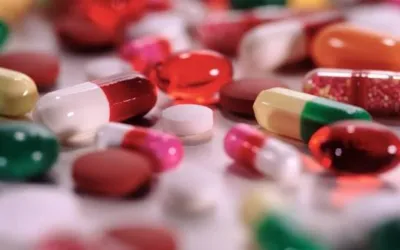
    Assorted capsules and tablets in various colors scattered across a surface.

    Use of NSAIDs or Antibiotics frequently:

    In some individuals, frequent administration of pain medication (e.g., ibuprofen) or repeated antibiotic courses can cause flares or increase risk.

    Close-up of an elderly hand being held by a younger hand in a comforting gesture.

    Age:

    Crohn's disease can occur at any age, but it usually starts between the ages of 15 and 35.

    Many Crohn’s symptoms look like IBS, infections or even intestinal TB. Here is how a proper diagnosis is made.

    Diagnostic Tests for Crohn's Disease

    An accurate diagnosis is important as Crohn’s disease may be mistaken for intestinal tuberculosis, ulcerative colitis and irritable bowel syndrome, which are treated differently. Dr. Rathod employs multiple tests for confirmation of the diagnosis and mapping of the disease:

    Stool test option with a hand placing a checkmark in a checkbox beside the text.

    Blood and Stool Tests

    Blood tests are done to assess for anaemia, inflammation markers (CRP, ESR) and nutritional deficiencies. A stool calprotectin test aids in the evaluation of bowel inflammation and exclusion of infection.
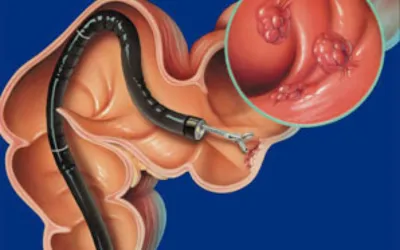
    Medical illustration of a colonoscopy: a flexible endoscope inserted into the colon with polyps visible in the mucosa (close-up inset).

    Colonoscopy with Ileoscopy and Biopsy:

    This is the important test. The doctor looks directly into the colon and end of the small intestine and then removes a small piece of tissue to confirm the diagnosis of Crohn's disease and to rule out similar conditions.
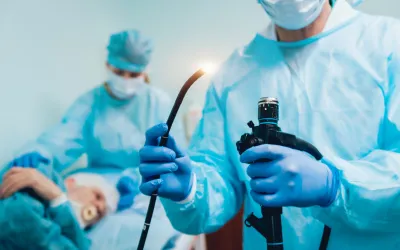
    Surgeon in blue scrubs and mask holds a laparoscope during surgery, with another clinician and patient visible in the background.

    Upper GI Endoscopy:

    When symptoms indicate that the oesophagus, stomach or duodenum might be involved.
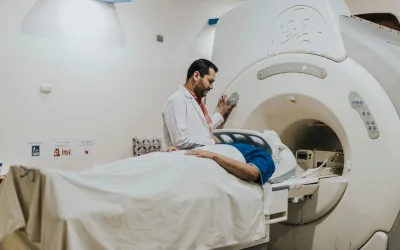
    Radiology technician positions a patient for an MRI scan beside a large MRI machine in a hospital room.

    CT or MR Enterography:

    They provide a detailed picture of the small bowel and can detect strictures, deep inflammation, fistulas and abscesses that a scope can't reach.
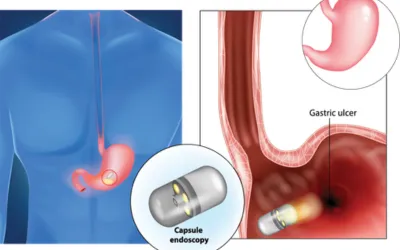
    Medical diagram showing a capsule endoscope traveling through the GI tract, with insets of the capsule device and a gastric ulcer in the stomach.

    Capsule Endoscopy:

    An extremely small video camera is placed into the small intestine by swallowing it. Use of ultrasound and pelvic MRI techniques.

    If you have persistent diarrhoea, abdominal pain or unexplained weight loss, don’t wait for it to settle on its own. Get in touch with a specialist for a thorough evaluation.

    Once Crohn’s disease is confirmed, what can be done about it? Here are the treatment options.

    Crohn's Disease Treatment Options

    Crohn’s disease cannot be cured, but most people who have it get long periods of remission and enjoy a normal, active life. Dr. Rathod’s therapy is based on the healing of the bowel lining and symptom control and prevention of complications. Treatment may include:

    Medications that Control Inflammation:

    This can range from short courses of cortisone to calm a flare to immunomodulators like azathioprine to keep the flare away.

    Biologic and Targeted Therapy:

    In more severe cases, more advanced treatments like anti-TNF drugs, vedolizumab, ustekinumab and newer targeted medications may heal the intestine and decrease the need for steroids and surgery. Assist with nutrition support and dietary guidance.Support nutrition and dietary guidance. Malnutrition is a common problem with Crohn's. Dr. Rathod works on correcting the deficiencies (Iron, B12, Vitamin D), and advises patient on diet suitable for the disease stage. In certain instances, nutritional therapy is employed to facilitate the usual recovery from a lively inflammation.

    Endoscopic Treatment for Strictures:

    If a small constricted area of the bowel causes a blockage, it may be possible to use an endoscopic balloon to let the bowel pass, without undergoing major surgery.

    Fistulas and Abscesses are managed by:

    A careful evaluation is done for perianal or internal fistulas, which are treated with medication and, if necessary, drainage and/or surgical coordination.

    Providing a surgical referral where required:

    In cases of complications like heavy obstruction, perforation or a disease resistant to medical treatment, Dr. Rathod consults with the experienced colorectal surgeons and secures timely and well-planned surgeries.

    Regular Monitoring:

    Long term follow-up of Crohn's is required. Regular blood tests, stool tests and scopes detect a relapse early, allowing treatment to be adjusted before problems occur.

    Let’s look at what makes Dr. Rathod a trusted choice for Crohn’s disease treatment in Mumbai.

    Gastroenterology Care for Crohn's Disease Treatment

    Extensive Experience:

    Dr Rathod has been in the gastroenterology field for more than 30 years and has been dealing with all types of inflammatory bowel disease, both mild and complex.

    Accurate Diagnosis:

    With due care and attention of endoscopy, imaging and biopsy, it becomes possible to differentiate Crohns disease from intestinal TB and other diseases, and hence, the treatment is begun at the right place.

    Personalised Treatment Plans:

    Each patient has a unique disease pattern. Each plan is tailored to the severity and behavior of the disease in that person and the site of the disease.

    Expertise in Endoscopy:

    Dr. Rathod is experienced in doing endoscopy and endoscopic procedures, such as dilating strictures, with a strong emphasis on safety and comfort of the patient.

    Why Choose Dr. Vipulroy D. Rathod for GERD Endoscopic Treatment in Mumbai?

    Long-Term Partnership:

    Dr. Rathod is with the patient throughout the process of diagnosis, remission and follow-up with Crohn's disease.

    Clear Communication:

    Families and patients are informed about the diagnosis and options for treatment and their likely outcome, allowing them to participate confidently in decision making.

    Global Recognition:

    Dr. Rathod is an internationally recognised expert in gastroenterology and is known for providing world class care to his patients in Mumbai.

    Living with Crohn’s disease is easier with the right specialist by your side. Reach out today to plan your treatment.

    Frequently Asked Questions

    Is it possible to cure Crohn's disease?

    No permanent cure at this time. But treatment means that most people can have a remission (when symptoms go away and the bowel is healed) and lead a normal life.

    What are the first signs of Crohn's disease?

    Symptoms are usually recurrent abdominal pain, chronic diarrhoea (more than a few weeks), presence of blood or mucus in stool, tiredness, weight loss, and occasionally mouth ulcers and anal fistulas.

    What are the differences between Crohn's disease and ulcerative colitis?

    Crohn’s can cause inflammation throughout the entire wall thickness of the digestive tract, in any area of it. UC is a disease of the inner lining that only involves the colon and rectum.

    Is it possible to confuse Crohn's disease with intestinal tuberculosis?

    Yes. Two are very similar in India and treatments are totally different. This is why it’s important to undergo a detailed assessment using colonoscopy, biopsy and imaging before treatment begins.

    Do I need to have surgery when I have Crohn's?

    Not everyone does. Medicines are effective in many cases. Surgery is considered only when complications such as blockage or fistulas don’t respond to other treatment.

    Is diet the cause, or the cure, for Crohn's disease?

    Although diet has no known role in its cause or cure, good nutrition aids recovery and may minimize symptoms. Dr. Rathod will be able to advise you regarding the foods to be consumed and the ones to be avoided depending upon your disease stage.

    Disclaimer: The information shared in this content is for educational purposes only and not for promotional use.
    Scroll to Top
    Call Now Button Seraphinite AcceleratorOptimized by Seraphinite Accelerator
    Turns on site high speed to be attractive for people and search engines.