

Contact Us
Ulcerative Colitis Treatment in Mumbai
Ulcerative colitis (uc) is a long term (chronic) inflammation of the bowel (inflammatory bowel disease, or ibd) that causes inflammation and ulcers of the lining of the large bowel (colon) and the rectum. It results in senseless, rectal bleeding, abdominal pain urgency, which negatively affects work, sleep, travel, and daily routine.
Dr. Vipulroy Rathod, a gastroenterologist in Mumbai, emphasizes, “Ulcerative colitis is a lifelong condition, but with the right diagnosis and treatment, most patients can achieve long remission and lead a normal, active life.”
With over three decades of experience, Dr. Rathod combines advanced diagnostics with modern therapies to provide effective ulcerative colitis treatment in Mumbai. His approach is personalized to the extent and severity of your disease, aiming to control inflammation, heal the colon lining, and prevent complications.
What causes ulcerative colitis, and what symptoms should you watch for? Let’s start with the basics.
Causes and Risk Factors of Ulcerative Colitis
The cause of ulcerative colitis is not known. It is thought to be the result of the immune system attacking the lining of the colon. These can be some of the reasons:
Immune system problems:
The body's defence system stays switched on and keeps the colon inflamed.
Family history:
If a parent or sibling has UC or Crohn's disease, your chances are higher.
Gut bacteria imbalance:
Changes in the gut's natural bacteria may trigger inflammation in some people.
Triggers:
Infections, stress, painkillers like NSAIDs, and certain foods can set off a flare in people who already have the disease.
Age:
It usually starts between 15 and 35, but it can begin at any age.
Common Symptoms of Ulcerative Colitis
Symptoms depend on how much of the colon is involved. These are the most common:

Because other conditions can look similar, the next step is getting the diagnosis right.
Diagnostic Tests for Ulcerative Colitis
UC can be misdiagnosed with infection, IBS, Crohn’s disease or even piles, each of which requires a different treatment. This is why it is not just based on the symptoms that Dr. Rathod does not depend on. The assessment could consist of the following:
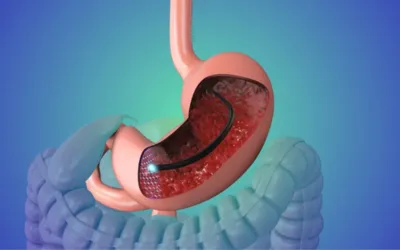
Colonoscopy with biopsy
This is the most accurate test. It allows the doctor to directly view the inflammation and ulcers and sends small tissue samples for confirmation and to determine the severity.
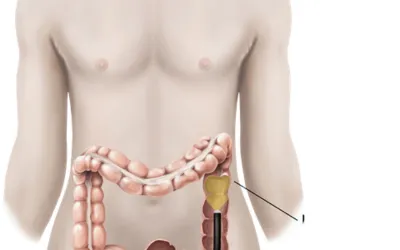
Flexible sigmoidoscopy:
A short stool test of the lower colon, which may be done to monitor during a flare-up.
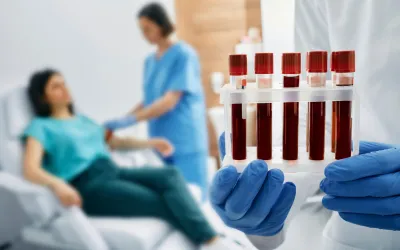
Blood tests:
To check for anemia, markers of inflammation such as C-reactive protein and erythrocyte sedimentation rate, and low protein and vitamin levels.

Stool tests:
To exclude infection and assess the level of inflammation by checking "fecal calprotectin.
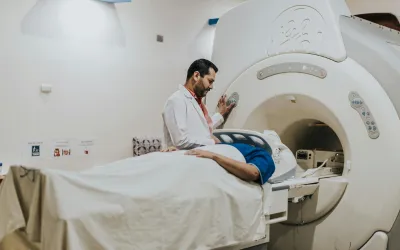
Imaging:
If the doctor wants to check for complications or to exclude the possibility of Crohn's disease, the patient may be given ultrasound, CT or MR enterography.
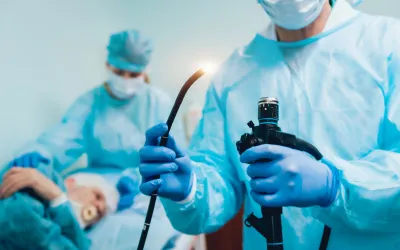
Endoscopy:
An upper GI endoscopy may be added in some patients to rule out other causes.
The sooner UC is confirmed, the easier it is to control. Book a consultation and get the right tests done.
What causes ulcerative colitis, and what symptoms should you watch for? Let’s start with the basics.
Diagnostic Tests for Ulcerative Colitis
The cause of ulcerative colitis is not known. It is thought to be the result of the immune system attacking the lining of the colon. These can be some of the reasons:
Immune system problems
The body's defence system stays switched on and keeps the colon inflamed.
Family history
If a parent or sibling has UC or Crohn's disease, your chances are higher.
Gut bacteria imbalance
Changes in the gut's natural bacteria may trigger inflammation in some people.
Triggers
Infections, stress, painkillers like NSAIDs, and certain foods can set off a flare in people who already have the disease.
Age:
Crohn's disease can occur at any age, but it usually starts between the ages of 15 and 35.
Once UC is confirmed, what does treatment look like?
Ulcerative Colitis Treatment Options
Treatment is based on how much of the colon is involved and how severe the disease is. The goals are to settle the flare-up, achieve long-term remission, and prevent complications. Options may include:
Aminosalicylates (5-ASA):
The first line treatment for mild to moderate UC are the drugs called mesalamine, which are taken as tablets or as a suppository or enema.
Corticosteroids:
In some cases used for brief periods to help bring a moderate to severe flare to a rapid halt. They are not designed for long-term applications.
Immunomodulators:
Medicines (e.g. azathioprine) can help a person stay in remission and can also help to lower reliance on steroids.
Biologics and Advanced Therapies:
Anti-TNF agents, vedolizumab, ustekinumab and JAK inhibitors may help to achieve long-term remission in moderate to severe UC, when conventional treatments are not effective.
Provide nutrition support and dietary guidance.
During the flares and in remissions, patients are guided by Dr. Rathod as to their diet and deficiencies like iron, vitamin D and B12 are corrected.
Regular surveillance and monitoring for colonoscopies:
Periodic colonoscopy is recommended after 8 to 10 years of UC, due to the increased risk of colon cancer associated with the disease.
Surgery When Required:
If a patient's condition is severe, non-calculative, or if there are complications, surgery to remove the colon may be recommended. Dr. Rathod closely coordinates with colorectal surgeons for timely referral and care.
Here’s why patients trust Dr. Rathod with their UC care.
Gastroenterology Care for Ulcerative Colitis
Extensive Experience:
Dr. Vipulroy Rathod has worked in gastroenterology for over 30 years, including the care of patients with inflammatory bowel disease (IBD) of varying severity.
Accurate, Complete Evaluation:
UC is easily distinguished from Crohn's, infections, and other conditions that look similar, by diagnosis, which includes colonoscopy, biopsy and targeted testing.
Personalized Treatment Plans:
Therapy matches your level and severity of disease, previous therapies, and lifestyle.
Expertise in Endoscopy:
Dr. Rathod is experienced in doing endoscopy and endoscopic procedures, such as dilating strictures, with a strong emphasis on safety and comfort of the patient.

Specialized knowledge and experience with Advanced Therapies:
He is adept at treating patients who require more than conventional therapies, especially with modern biologic and targeted drugs.
Skilled Endoscopic Care:
Dr. Rathod is an expert in endoscopic evaluation and follow-up of the colon.
Patient-Centered Approach:
He clearly explains what is going wrong and what options you have so you can be involved in decisions you need to make regarding your long-term care.
Global Recognition:
Dr. Rathod is a renowned gastroenterologist and is recognized globally for his work in the field, and patients can avail world-class gastroenterology treatment in Mumbai with him.
You don’t have to live in fear of the next flare-up. Reach out today and let’s plan your treatment.
Frequently Asked Questions
1. Can ulcerative colitis be cured?
Definitely not with drugs. But it can be very well managed and a lot of people are in remission, sometimes for years. Only when they remove the colon by operation are they able to cure that disease.
2. Is ulcerative colitis the same as IBS?
No. The gut has no abnormality with IBS. UC causing ulcers or inflammation in the colon, often bleeding and the colonoscopy can distinguish the two.
3. What can trigger a flare-up?
Fasting illnesses stress and painkillers such as NSAIDs are common triggers. Some individuals find certain food worsen the situation but individual responses vary.
4. Does UC increase the risk of colon cancer?
Yes, very much so, if the disease has been sitting there since many years before and is involving a significant length of the colon. Regular colonoscopy screening would help in detecting changes early.
5. Do I have to follow a special diet?
All individuals vary. A single dietary plan does not suit all. There is nothing that is reportedly more likely to set off the disease in an individual, yet certain foods may aggravate an already occurring flareup. The advisor shall tell you of the one to follow based on your own symptoms.
6. When to do surgery?
A progressive phase, where the disease is poorly controlled even on medicines, can result in the development of complications such as heavy bleeding or a hole in the bowel. This is also the time when precancerous changes can be identified.
Disclaimer: The information shared in this content is for educational purposes only and not for promotional use.
