Dr. Vipulroy Rathod

Contact Us

    Colorectal Cancer Treatment in Mumbai, India

    Colorectal cancer — cancer of the colon or rectum — is among the more commonly diagnosed GI cancers in India, and the numbers have been climbing steadily over the past decade. Shifting diets, less physical activity, and wider screening access all contribute to that rise. What makes this cancer particularly difficult to catch is that early stages almost never produce noticeable symptoms. Most patients feel completely normal while the disease quietly progresses.

    The colon pulls water from digested food; the rectum holds waste until the body is ready to expel it. A tumour growing in either structure can go undetected for months. Without treatment, it spreads to nearby lymph nodes and, eventually, to distant organs.

    Screening is what saves lives here, says Dr. Vipulroy Rathod, a renowned gastroenterologist in Mumbai. Catch it before symptoms appear and the treatment options are far better. His focus on advanced endoscopy and GI oncology has made him a consistent reference point for patients in Mumbai who get this diagnosis.

    Types of Colorectal Cancer Managed by Dr. Vipulroy D. Rathod

    Dr. Vipulroy D. Rathod manages colorectal cancer presentations across both the colon and rectum, using endoscopic and surgical approaches built around each patient’s specific condition.

    Colorectal cancer falls into two categories based on where it develops:

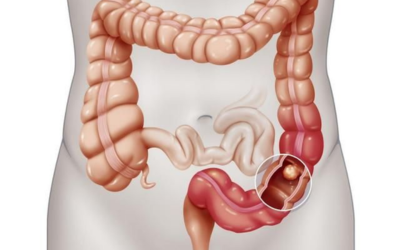
    Diagram of the digestive system focusing on the large intestine with a highlighted cancerous tumor in the sigmoid colon.

    Colon cancer

    The more common type. It grows in the lining of the colon and is often picked up during a routine colonoscopy, sometimes before symptoms appear.
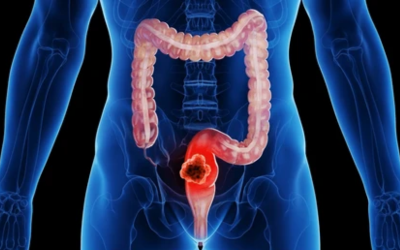
    Medical illustration of the large intestine showing a cancerous tumor in the rectum, highlighting colorectal cancer.

    Rectal cancer

    Develops in the rectum, which sits close to other pelvic structures. That anatomy can make surgical planning more involved and often brings radiation into the treatment picture.

    Colorectal cancer is staged to guide treatment decisions:
    Stage I
    Cancer is confined to the inner layers of the bowel wall and has not grown through it.
    Stage II
    The tumor has grown through the wall of the colon or rectum but has not reached any lymph nodes.
    Stage III
    Nearby lymph nodes are involved, but the cancer has not spread to other organs.
    Stage IV
    The cancer has reached distant organs, most often the liver or lungs. Treatment at this stage is aimed at controlling the disease and keeping the patient functional and comfortable.
    Earlier detection gives patients more options. That is the practical reason screening matters.

    Comprehensive Care for Colorectal Cancer by Dr. Vipulroy Rathod

    Dr. Rathod’s command of diagnostic and therapeutic endoscopy allows him to manage colorectal cancer through procedures most GI specialists in Mumbai do not routinely perform:

    Document icon with a magnifying glass, symbolizing search in a file or find in document by query.

    Advanced diagnostics

    Colonoscopy, NBI endoscopy, and CT colonography give him a clear picture of the colon and rectum. Early lesions that a standard scope might miss get picked up.

    Clipboard with a checklist and a medical cross badge indicating health-related tasks or forms

    Customised treatment plans

    Surgery, chemotherapy, radiation, or a combination — the plan depends on the stage, the location of the tumour, and what the patient can tolerate. There is no fixed protocol applied to everyone.

    No injections allowed: a syringe and a needle crossed out inside a circular prohibition sign

    Minimally invasive approaches

    Where the case allows, Dr. Rathod uses endoscopic or laparoscopic methods. Smaller incisions, less post-operative pain, and faster recovery compared to open surgery.

    Blue outline icon of a person inside a circle with four arrows pointing toward the center, symbolizing user-centered design.

    Multidisciplinary approach

    Dr. Rathod coordinates directly with oncologists, radiologists, and surgeons. Colorectal cancer rarely needs just one specialist, and having that coordination in place from the start keeps care from becoming fragmented.

    Monitor displaying a circular clock with 24, representing 24/7 support.

    Ongoing care and support

    Follow-up is built into the treatment, not left to the patient to arrange separately. Dr. Rathod monitors recovery and watches for recurrence, keeping bowel health on track well after the active treatment phase.
    Dr. Vipulroy Rathod's Advanced Treatment Approaches and Surgical Expertise

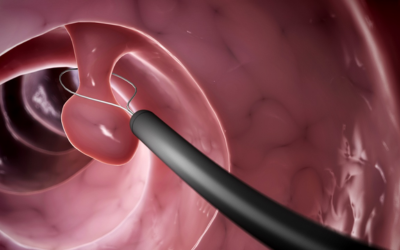
    Endoscopic snare loop around a polyp inside a pink intestinal lumen (colonoscopy scene)

    Colonoscopy and polypectomy

    Colonoscopy is the most reliable method for finding colorectal cancer early. During the same procedure, precancerous polyps can be removed through polypectomy, which stops cancer from developing in the first place.
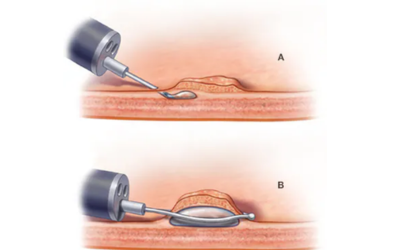
    Two-panel medical illustration showing a handheld device applying energy to skin: (A) a probe directly contacts a raised skin area; (B) the device interfaces with the tissue using a suction-assisted head to lift the skin.

    EMR and ESD

    For early tumours that have not grown past the mucosal layer, Endoscopic Mucosal Resection and Endoscopic Submucosal Dissection (ESD) allow complete removal through the scope. No open surgery required.
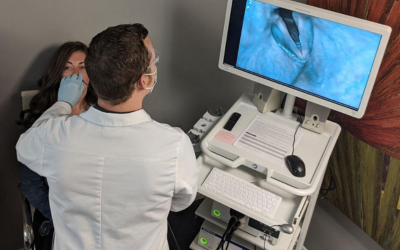
    Clinician in a white coat and mask performing an endoscopy on a patient, with a monitor showing the internal view.

    NBI endoscopy

    Narrow Band Imaging picks up subtle changes in the mucosal lining and blood vessel patterns that a standard white-light scope can overlook. Useful for flat lesions and early-stage cancers that look unremarkable on a normal colonoscopy.
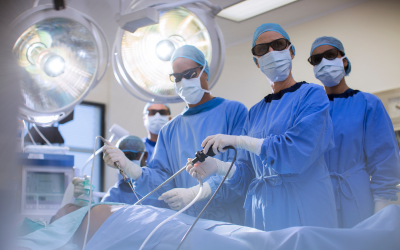
    Surgical team in blue scrubs and masks performing an operation under bright overhead lights, using robotic/handheld instruments.

    Laparoscopic surgery

    When surgical resection is the right call, Dr. Rathod uses laparoscopic techniques wherever possible. Patients get smaller incisions, less blood loss, and a shorter hospital stay than open surgery would require.
    Why Choose Dr. Vipulroy Rathod for Colorectal Cancer Treatment?

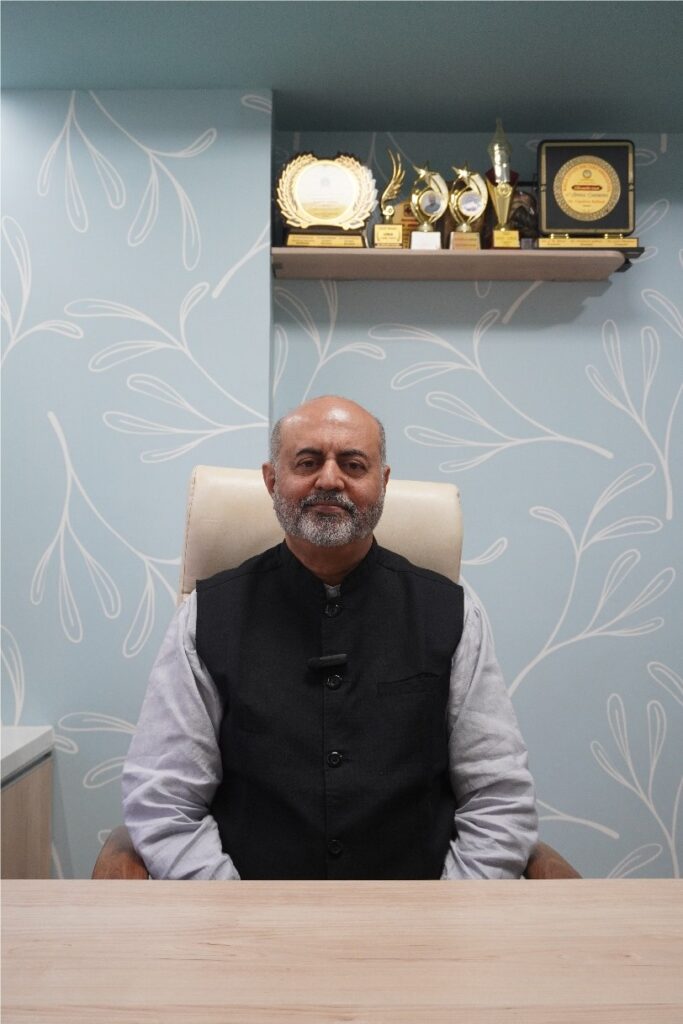
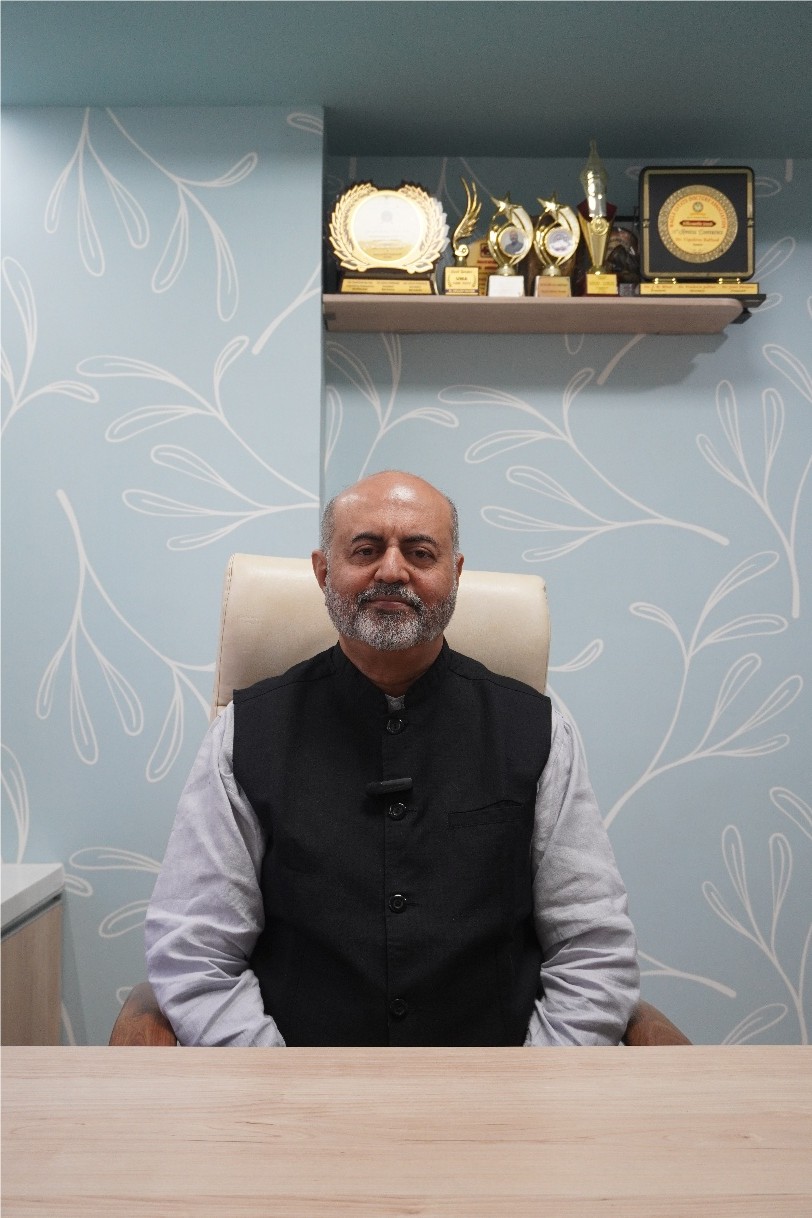
    Middle-aged man with a gray beard sits at a desk in an office, wearing a black vest, with trophy-filled shelves behind him.

    Gastroenterologist with three decades of experience Dr. Vipulroy Rathod has over 30 years in diagnosing and treating GI and colorectal conditions. He is one of Mumbai's more experienced endoscopists for cancer-related GI cases.

    Full-spectrum colorectal care Screening, diagnosis, endoscopic resection, surgical coordination, chemotherapy planning, and follow-up — all managed by one team. Patients do not have to coordinate their own care across separate providers who may not talk to each other.

    High procedure volume Over 80,000 endoscopic procedures performed. That volume translates into faster, more accurate decision-making during complex cases.

    Patient-first consultations Dr. Rathod takes the time to explain the diagnosis and the options before anything is scheduled. Patients who understand their situation tend to do better through treatment.

    Middle-aged man with a gray beard sits at a desk in an office, wearing a black vest, with trophy-filled shelves behind him.

    Recognised outcomes His results managing colorectal and GI cancers through minimally invasive methods have earned recognition at national and international levels.

    Recognised outcomes His results managing colorectal and GI cancers through minimally invasive methods have earned recognition at national and international levels.

    Frequently Asked Questions

    1. What are the early symptoms of colorectal cancer?
    Changes in bowel habits, blood in the stool, cramping in the lower abdomen, unexplained weight loss, and persistent tiredness are the most common signs. But many early-stage cases have no symptoms at all. That is what makes screening so important.
    2. When should colorectal cancer screening begin?
    Most people should start at 45 to 50. Those with a family history of colorectal cancer, a personal history of polyps, or a diagnosis of IBD may need to start earlier. A colonoscopy is the most accurate tool available for this.
    3. What raises the risk of colorectal cancer?
    Age above 50, diets heavy in red or processed meats, obesity, low physical activity, smoking, heavy alcohol use, a family history of colorectal cancer, and inflammatory bowel conditions like Crohn’s disease or ulcerative colitis all increase risk.
    4. Can colorectal cancer be cured?
    Stage I and Stage II colorectal cancers carry a high rate of successful treatment, and long-term remission is achievable with appropriate surgery or endoscopic resection. At Stage III, outcomes depend on how well the lymph nodes respond to treatment. Stage IV is harder, but management options exist.
    5. How long does recovery take after colorectal cancer surgery?
    Endoscopic resection carries the shortest recovery, often one to two days. Laparoscopic surgery is typically two to four weeks before normal activity resumes. Open surgery takes longer. Dr. Rathod’s preference for minimally invasive methods keeps that recovery window as short as the case allows.

    Disclaimer: The information shared in this content is for educational purposes only and not for promotional use.

    Scroll to Top
    Call Now Button