Anal Cancer Treatment in Mumbai, India
Anal cancer is uncommon but rising, and most cases are linked to HPV infection that goes unnoticed for years. According to Dr. Vipulroy Rathod, an internationally recognised gastroenterologist in Mumbai, India, “People often dismiss early symptoms of anal cancer as piles or fissures. That delay is dangerous, because early detection through proper diagnosis changes the outcome completely.”
Dr. Vipulroy Rathod offers expert anal cancer treatment in Mumbai, India, with a focus on catching the disease before it advances. With over 30 years of experience and 80,000+ endoscopic procedures, patients receive treatment built around early detection and organ-preserving outcomes. His approach blends precise endoscopic diagnosis with minimally invasive, function-preserving care, helping patients avoid the complications of late detection.
The colon pulls water from digested food; the rectum holds waste until the body is ready to expel it. A tumour growing in either structure can go undetected for months. Without treatment, it spreads to nearby lymph nodes and, eventually, to distant organs.
Could a problem you’ve brushed off as piles be something more serious? Let’s explore what this disease really involves.
Types and Stages of Anal Cancer
Anal cancer develops when cells in the anal canal grow abnormally and form a tumour. It is often missed early because its symptoms mimic common conditions like piles. The type depends on where it begins, and the stage shows how far it has spread.
Squamous cell carcinoma
The most common type, making up the majority of cases. It starts in the flat cells lining the anal canal.
Adenocarcinoma
Begins in the glands near the anus. Less common and tends to be more aggressive.
Basal cell carcinoma
Affects the perianal skin. Rare and usually slow to spread.
Melanoma
Develops from pigment-producing cells. Uncommon but often detected late.
Staging shows how far the cancer has grown and spread:
Tumour is 2 cm or smaller, still local.
Tumour is larger than 2 cm but has not spread.
Cancer has spread to nearby lymph nodes or organs.
Cancer spreads to distant organs like the liver or lungs.
The earlier the stage, the better the response to treatment.
Could everyday discomfort be signalling something more? Let’s dive into the warning signs worth taking seriously.
Symptoms of Anal Cancer
Bleeding from the anus or rectum
A lump or mass near the anal opening
Persistent pain or pressure in the area
Itching or unusual discharge
Changes in bowel habits
A feeling of incomplete bowel emptying
Catching these signs early can change the entire outcome. Connect with an expert the moment something feels off.
What actually raises the risk? Let’s discover the factors that matter most.
Causes and Risk Factors of Anal Cancer
The exact cause is not always clear, but several factors increase the odds.

HPV infection
The leading cause, linked to the majority of cases.

Weakened immunity
HIV or immunosuppressant medication raises risk.

History of other cancers
Cervical, vulvar, or vaginal cancer increases the likelihood.

Smoking
Significantly raises the risk of developing anal cancer.

Age and lifestyle
More common after 50 and linked to certain sexual history factors.
How do you accurately and early confirm a diagnosis? Let’s explore the precision tools that make it possible.
Advanced Diagnostic Techniques for Anal Cancer
An accurate anal cancer diagnosis depends on the right combination of examination and imaging.

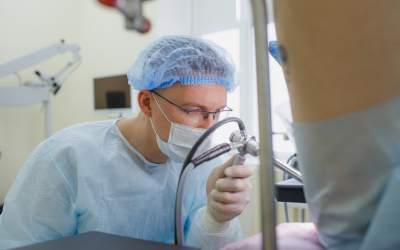
Digital rectal examination (DRE)
A first-line physical exam in which the doctor feels for lumps or irregularities in the anal canal. Simple, quick, and often the first step in detection.
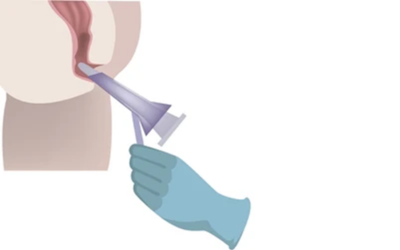
Anoscopy and proctoscopy
A short scope is used to directly view the anal canal and lower rectum. This helps spot lesions or abnormal tissue that need closer evaluation.
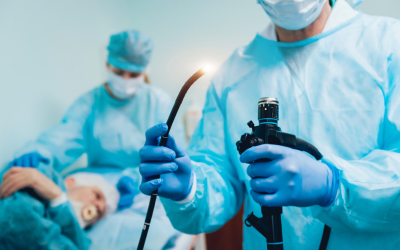
Endoscopic ultrasound (EUS)
High-resolution imaging that maps the depth of tumour growth and whether nearby lymph nodes are involved. It plays a key role in accurate staging.
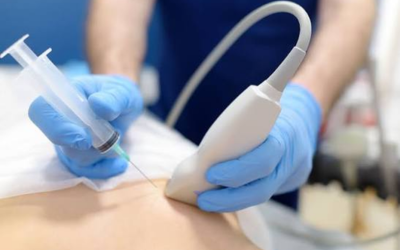
Biopsy
A small tissue sample is taken and examined under a microscope. This is the definitive test that confirms the cancer type and guides treatment.
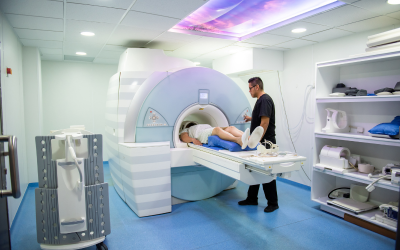
CT, MRI, or PET scans
Detailed imaging that assesses whether the cancer has spread to other parts of the body. Essential for staging and planning the right approach.
Does anal cancer always call for major surgery? Let’s discover the modern treatment options that prove otherwise
Dr. Vipulroy Rathod's Advanced Treatment Approaches and Endoscopic Expertise
Dr. Rathod offers anal cancer treatment in Mumbai, India, tailored to the type, stage, and the patient’s overall health, with a strong focus on minimally invasive, scope-based care that preserves function.
Endoscopic evaluation and resection
Early, localised lesions are assessed and removed directly through the scope. There is no external incision, which means minimal downtime and faster healing for the patient.
EUS-guided interventions
Dr. Vipulroy Rathod uses endoscopic ultrasound for precise biopsy and accurate tumour staging. It maps the depth of the tumour and nearby lymph nodes without the need for open surgery.
Therapeutic endoscopy
Bleeding, blockages, and other complications are managed directly through the scope. This avoids more invasive procedures and keeps the patient comfortable throughout.
Surveillance colonoscopy
Dr. Rathod monitors at-risk patients closely through regular examinations. This helps catch any recurrence or new lesions at the earliest, most treatable stage.
Multidisciplinary coordination
He works alongside oncologists and surgeons when chemoradiation or operative care is needed. This ensures every patient receives a complete, well-rounded treatment plan.
Organ-preserving focus
Treatment is always planned to protect bowel and sphincter function wherever possible. The goal is effective cancer control without compromising quality of life.
Why Choose Dr. Vipulroy Rathod for Anal Cancer Treatment in Mumbai, India
Extensive Clinical Experience Over three decades of expertise in managing complex gastrointestinal and hepatobiliary conditions across all age groups.
Pioneer in Endoscopic Ultrasound Introduced diagnostic and interventional EUS in South Asia, with more than 20,000 EUS procedures performed.
Specialised Diagnostic Precision Recognised expertise in accurate, early anal cancer diagnosis through advanced endoscopic methods.
International Accreditation Holds the FASGE fellowship, an internationally recognised gold standard in gastrointestinal endoscopy.
Minimally Invasive Focus Prioritises endoscopic, scope-based interventions that reduce recovery time and preserve function.
Patient-Centric Care Ensures accurate diagnosis, clear communication, and thorough, structured follow-up at every stage.
Frequently Asked Questions
Yes, especially when caught early. Localised anal cancer has strong cure rates with timely treatment.
Usually, bleeding or a lump near the anus is often mistaken for piles.
A biopsy is the definitive test, with imaging used to assess the extent of spread.
Not always. Many cases respond well to chemoradiation, with surgery reserved for specific situations.
It can recur, which is why structured follow-up and surveillance are important.
Disclaimer: The information shared in this content is for educational purposes only and not for promotional use.