Dr. Vipulroy Rathod

Author name: clinicspots-user

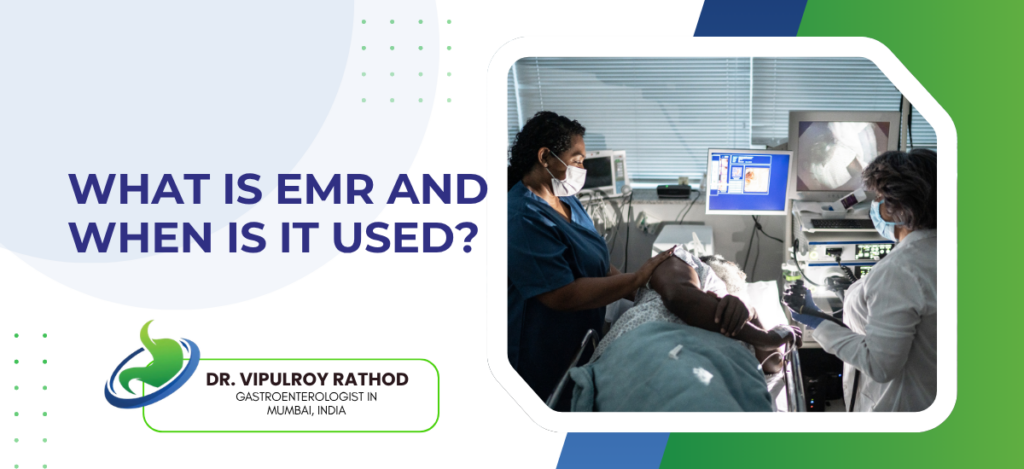
Header banner: doctors perform an endoscopic ultrasound on a patient with monitors and equipment nearby.

What Is Endoscopic Ultrasound and When Is It Needed?

Endoscopic ultrasound puts a high-frequency ultrasound probe on the tip of a flexible endoscope and images organs from inside the GI tract, millimetres from the target rather than through layers of skin and fat from outside. It’s needed when CT or MRI can’t give a clear answer, when deep tissue biopsy is required without surgery, or when cancer staging depends on detail external imaging consistently misses. We use it because it sees what other scans don’t, and in pancreatic, biliary, and upper GI disease that difference changes treatment decisions regularly. According to Dr. Vipulroy Rathod, Gastroenterologist in Mumbai, “EUS is the investigation that closes the gap between what CT shows and what’s actually there, and in pancreatic, oesophageal, and gastric disease that gap is often the difference between the right treatment plan and the wrong one.” What Is EUS and How Does It Work? Standard endoscopy looks at the surface. EUS looks through the wall and beyond. Not a small difference when you need to know what’s happening in the pancreas or inside a lymph node CT flagged but couldn’t characterise. Mechanism: Ultrasound transducer on the scope tip, positioned inside the stomach or duodenum, images wall layers, lymph nodes, vessels, and adjacent organs at 5 to 12 MHz frequencies, resolution that shows individual tissue layers CT physically cannot distinguish from the outside. Biopsy: Needle passes through the GI wall into a pancreatic mass, lymph node, or submucosal lesion under real-time ultrasound guidance, no external incision, tissue result often changes the entire treatment plan because imaging alone can suggest but biopsy confirms. Procedure: Sedation, scope through the mouth into stomach or duodenum for upper EUS, through rectum for rectal staging, 30 to 60 minutes total, home same day, and most patients are surprised it was less involved than they expected going in. Safety: Complication rate under 1% for diagnostic EUS, 1 to 2% for FNA, serious events like perforation are rare when someone experienced is doing it, and the information gained almost always outweighs the small procedural risk in patients where EUS is genuinely indicated. EUS delivers information no other single investigation provides in one session. Specialist in endoscopic ultrasound uses it as the primary tool for conditions where it genuinely changes what happens next. When Is EUS Actually Needed? Not for every GI complaint. Specific decision points where its accuracy changes the management plan. Outside those, it’s not the right investigation. Pancreatic: Any pancreatic mass, cyst, or suspected cancer needs EUS because CT misses sub-2 cm tumours routinely, and if you’ve had persistent upper abdominal symptoms with a normal CT that doesn’t explain them, EUS is where the answer usually sits rather than another round of the same scan. Staging: Confirmed oesophageal, gastric, pancreatic, or rectal cancer needs EUS for T and N staging because tumour depth and nodal involvement measured on EUS consistently outperform CT, and getting the stage wrong means the patient ends up on a treatment pathway that doesn’t match their actual disease. Submucosal: Lumps found underneath the surface on routine endoscopy, GISTs, leiomyomas, carcinoid tumours, need EUS to characterise layer of origin, size, and internal features before anyone decides whether to remove or watch, and standard endoscopy alone cannot make that call. Biliary: Bile duct stones missed on ultrasound, suspected bile duct cancer, ampullary tumours, all evaluated more accurately on EUS than external imaging, and EUS-guided FNA of bile duct masses gives tissue diagnosis that ERCP brushings miss in a meaningful proportion of cases. EUS earns its place when the answer genuinely matters for treatment. Read more on EUS in pancreatic cancer to see how it changes diagnosis and staging decisions specifically in pancreatic disease. Why Choose Dr. Vipulroy Rathod for Endoscopic Ultrasound? Dr. Vipulroy Rathod has been performing diagnostic and therapeutic EUS since 1998 at Fortis Hospital Mulund. Over 30 years of case volume across pancreatic, biliary, oesophageal, gastric, and rectal EUS. First Indian to receive the FASGE fellowship. 35 countries worth of physicians trained in EUS technique and clinical interpretation. Patients arrive with inconclusive CT reports and months of unanswered questions. Most leave with a finding, a tissue diagnosis, and a clear next step nobody else had been able to provide.   Book your consultation today with one of India’s most experienced EUS specialists for accurate diagnosis and intervention. Book Appointment Call now Frequently Asked Questions What is the difference between EUS and regular endoscopy? Regular endoscopy sees the surface lining while EUS images through the wall and surrounding structures using ultrasound for deeper diagnostic detail. Is EUS painful? EUS is performed under sedation and most patients experience minimal discomfort during and after the procedure. Can EUS detect cancer that CT missed? Yes, EUS detects pancreatic and GI tract lesions under 2 cm that CT regularly misses and provides tissue biopsy in the same session. How long does an EUS procedure take? EUS with or without biopsy typically takes 30 to 60 minutes including sedation and recovery time. Reference links- Endoscopic Ultrasound Indications and Guidelines — American Society for Gastrointestinal Endoscopy EUS in GI Disease Diagnosis — World Gastroenterology Organisation

What Is Endoscopic Ultrasound and When Is It Needed? Read More »

Pancreatic Cancer Risk Factors You Should Know

Pancreatic cancer risk factors include smoking, long-standing diabetes, obesity, chronic pancreatitis, family history, certain gene mutations like BRCA2 and PALB2, these are the big ones. Most patients we diagnose carried two or three of these for years and nobody put them together into a risk picture that warranted investigation. That gap between having identifiable risk factors and someone actually acting on them is where most late diagnoses come from. According to Dr. Vipulroy Rathod, Gastroenterologist in Mumbai, “Most patients diagnosed with pancreatic cancer had at least two identifiable risk factors that nobody connected together early enough to trigger proper investigation, and that pattern repeats itself in clinical practice far more often than it should.” What Are the Major Risk Factors for Pancreatic Cancer? Some you can change. Some you can’t. But knowing what you carry changes how seriously vague symptoms should be taken when they show up. Smoking: Doubles lifetime risk, roughly. About 25% of all pancreatic cancers trace back to this. Even after quitting the risk stays elevated for 10 to 15 years before it starts coming down, so if you smoked for 20 years and quit 5 years ago and now you have persistent upper abdominal pain, you’re not in the same category as someone who never touched a cigarette. Diabetes: Two different stories here. Long-standing Type 2 carries elevated risk through years of insulin resistance. But new onset diabetes after 50 in someone who isn’t overweight and has no metabolic reason for it, that’s a red flag most doctors miss because they start metformin and move on without ever imaging the pancreas to check what’s actually going on underneath. Obesity: BMI above 30 bumps up risk by 20 to 30%. Visceral fat drives the link through inflammatory mediators that damage tissue over time. Stack central obesity with diabetes and smoking in the same patient and you’ve got a compounded risk profile that nobody mentions during a routine check-up because nobody is thinking about the pancreas. Pancreatitis: Chronic pancreatitis raises lifetime risk 8 to 10 fold. Hereditary pancreatitis goes higher still. Problem is, pancreatitis pain and early pancreatic cancer pain feel identical to the patient, so the cancer hides inside a condition that already explains the symptoms. These rarely exist alone. Most patients carry two or three. A pancreatic cancer treatment specialist maps the full profile and decides investigation thresholds from there. What About Genetic and Family Risk? Not all pancreatic cancer is random. Around 10% have a hereditary component and these families need a completely different approach to surveillance. Family: One first-degree relative with pancreatic cancer, roughly double your risk. Two or more, 6 to 12 times baseline. These patients should be on annual EUS from age 50 or 10 years before the youngest family diagnosis, whichever hits first, and most of them have never been told this. BRCA2: 3 to 10 fold elevated risk depending on family history. Structured EUS surveillance catches small lesions before they produce symptoms. If you know you carry BRCA2 and nobody has mentioned pancreatic screening, that’s a conversation you need to start yourself because it won’t come to you automatically. PALB2: Less talked about than BRCA2 but the pancreatic cancer risk is comparable. Same surveillance category, same annual EUS, same urgency. Most PALB2 carriers have no idea pancreatic screening should even be on their radar. Lynch: Mismatch repair gene mutations. Usually these patients are already in surveillance for colorectal and endometrial cancer. Adding pancreatic screening to the same programme makes clinical sense. Rarely happens in practice though. Genetic risk changes when surveillance starts and how aggressive it should be. Read more on detection to understand why finding this cancer before symptoms develop is the only approach that consistently changes what happens next for high-risk patients. Why choose Dr. Vipulroy Rathod to identify and avoid pancreatic cancer risk factors ? Dr. Vipulroy Rathod has spent over 30 years at Fortis Hospital Mulund managing pancreatic disease through EUS, fine needle aspiration, and structured high-risk surveillance. Risk factors sitting unconnected in patient records for years, finally mapped into a proper surveillance plan. Small lesions found in patients whose prior workups had missed the pancreas entirely. 35 countries worth of physicians trained in this specific approach. Most patients walk in having never been told their combination of risk factors warranted active screening. Many walk out with a programme that actually watches for this cancer before it decides to announce itself. 📞 Call Now: +91 9820091763 Book your consultation today with one of India’s most experienced specialists for identifying risk factors and avoid pancreatic cancer. Book Appointment Call now Frequently Asked Questions Does smoking increase pancreatic cancer risk? Yes, smoking roughly doubles lifetime pancreatic cancer risk and accounts for approximately 25% of all cases. Can diabetes be an early sign of pancreatic cancer? New onset diabetes after 50 in a non-obese patient with no metabolic risk factors can be an early signal of underlying pancreatic cancer. Who should get screened for pancreatic cancer? BRCA2 and PALB2 carriers, patients with familial pancreatic cancer, hereditary pancreatitis, and Lynch syndrome benefit most from structured EUS surveillance. Does chronic pancreatitis increase pancreatic cancer risk? Yes, chronic pancreatitis increases lifetime pancreatic cancer risk 8 to 10 fold and hereditary pancreatitis raises it even further. Reference links- Pancreatic Cancer Risk Factor Guidelines — American Society for Gastrointestinal Endoscopy Hereditary Pancreatic Cancer Surveillance — World Gastroenterology Organisation

Pancreatic Cancer Risk Factors You Should Know Read More »

Banner for a medical article: 'Why is pancreatic cancer hard to detect early?' with Dr. Vipul Roy Rathod logo; orange pancreas connected to an ultrasound device.

Why Is Pancreatic Cancer Hard to Detect Early?

Pancreatic cancer is difficult to detect early because the pancreas is located deep in the abdomen, preventing small, early-stage tumours from being felt during exams or easily seen on imaging. Additionally, symptoms are vague, such as indigestion or mild back pain, mimicking other conditions, and often do not appear until the tumour has grown or spread. By the time most patients receive a diagnosis, the cancer has already moved past the stage where surgical cure was still a realistic option. According to Dr. Vipulroy Rathod, Gastroenterologist in Mumbai, “Pancreatic cancer hides because of its anatomy and because its early signals are exactly the kind nobody investigates aggressively until something dramatic forces the issue, which is usually too late to change the outcome.” Why Does This Cancer Stay Hidden So Long? Not one reason. Several, all working together, and the combination is what makes pancreatic cancer different from most other GI cancers. Anatomy: Pancreas tucked behind the stomach, surrounded by bowel loops and fat, ultrasound barely reaches it properly and CT misses tumours under 2 cm more often than most patients or their doctors realise. Symptoms: Upper abdominal discomfort, mild back pain, appetite dropping off, slow weight loss. Every single one of these gets blamed on something else, acidity, gastritis, work stress, ageing, for months before anyone even considers the pancreas. Diabetes: New diabetes after 50 in someone who isn’t overweight and has no metabolic history. That’s a red flag. But most doctors start metformin and move on without ever ordering a pancreatic scan, and the tumour keeps growing while the blood sugar gets managed as a standalone problem. No Screening: Colonoscopy catches colorectal cancer early. Mammography catches breast cancer early. Pancreatic cancer has nothing equivalent, so unless a patient is already in a high-risk surveillance programme, nobody is looking until symptoms force the conversation. These factors reinforce each other in ways that keep pushing diagnosis later, and specialist in pancreatic cancer treatment uses EUS whenever clinical suspicion exists rather than waiting for CT to eventually declare something that should have been found months earlier. How Do You Actually Catch It Early? Right investigation. Right patient. Right timing. Not hoping the next scan shows what the last one missed. EUS: Imaging probe positioned millimetres from the pancreas through the stomach wall. Picks up sub-2 cm tumours CT misses. Biopsy in the same session. This is the most effective early detection tool available and the reason patients with inconclusive CT findings should be moving toward EUS, not repeating the same scan again. Surveillance: BRCA2 carriers, first-degree relatives of pancreatic cancer patients, hereditary pancreatitis. All need annual EUS. Finding a small lesion before symptoms develop is the only proven way to catch this cancer at genuinely curable stage in people with genetic predisposition. Symptom Clusters: Persistent upper abdominal pain plus unexplained weight loss. New diabetes after 50 plus painless jaundice. Any combination of these in the same patient over a short period warrants EUS, not another round of acid suppression and a follow-up appointment in six weeks. Next Step: CT inconclusive or symptoms persisting despite normal scans. EUS should be the immediate next investigation. Not a repeat CT in three months. Three months of pancreatic cancer growth is exactly the kind of delay that changes a resectable tumour into an unresectable one. Catching pancreatic cancer early requires the right tool at the right decision point, not luck. Read more on warning signs to understand which specific signals deserve aggressive investigation and which patient profiles need a much lower threshold for imaging than the general population. Why choose Dr. Vipulroy Rathod to detect pancreatic cancer ? Dr. Vipulroy Rathod has spent over 30 years catching pancreatic cancer through EUS, fine needle aspiration, and structured high-risk surveillance at Fortis Hospital Mulund. Small resectable tumours in patients whose CT scans had been called normal. Diagnoses made where other pathways had stopped looking. Physicians from 35 countries trained in this specific approach. Most patients arrive after months of reassurance that nothing was wrong, and many leave with a real diagnosis caught early enough to actually treat. That gap between reassurance and reality is exactly what proper investigation closes. 📞 Call Now: +91 9820091763 Book your consultation today with one of India’s most experienced specialists for detecting pancreatic cancer. Book Appointment Call now Frequently Asked Questions Why does pancreatic cancer get diagnosed so late? The pancreas sits deep in the abdomen, early symptoms are vague, and no routine screening exists outside high-risk patient groups. Can pancreatic cancer be detected before symptoms develop? Yes, EUS surveillance can find small pancreatic lesions in high-risk patients before any symptoms appear. Is CT scan enough to detect pancreatic cancer early? No, CT often misses pancreatic tumours under 2 cm and EUS is required for accurate early detection in most cases. Who should get EUS surveillance for pancreatic cancer? BRCA2 carriers, patients with familial pancreatic cancer, and those with hereditary pancreatitis benefit most from annual EUS surveillance. Reference links- Pancreatic Cancer Early Detection Challenges — American Society for Gastrointestinal Endoscopy Pancreatic Cancer Surveillance Guidelines — World Gastroenterology Organisation

Why Is Pancreatic Cancer Hard to Detect Early? Read More »

Slide titled 'Role of EUS in Pancreatic Cancer Diagnosis' with an EUS diagram and a physician logo at the bottom left.

Role of EUS in Pancreatic Cancer Diagnosis

EUS is the most accurate single tool we have for diagnosing pancreatic cancer because the imaging probe sits within millimetres of the pancreas, picking up tumours under 2 cm that CT and MRI miss while letting us biopsy the same lesion in the same session. It changed pancreatic cancer diagnosis fundamentally because external scans on their own simply cannot deliver the kind of detail or tissue sampling early-stage decisions actually depend on. According to Dr. Vipulroy Rathod, Gastroenterologist in Mumbai, “EUS is not just another imaging option in pancreatic cancer, it is often the difference between catching a small resectable tumour and finding the same disease six months later when the window for cure has already closed.” What Role Does EUS Play in Pancreatic Cancer Diagnosis? EUS does several things in one session that no other modality can deliver together, which is exactly why it sits at the centre of how pancreatic cancer actually gets diagnosed in practice. Detection: EUS picks up pancreatic lesions under 2 cm with sensitivity that consistently beats CT and MRI for small tumours, finding disease at the stage where surgical resection still offers a real chance of cure rather than catching it months later when the options have already started narrowing. Biopsy: EUS-guided fine needle aspiration samples the tumour directly through the stomach or duodenal wall in the same session as imaging, which matters because pancreatic cancer treatment is far too aggressive to start without proper biopsy proof and external scans can only suggest rather than confirm what’s there. Cysts: EUS evaluates pancreatic cystic lesions and tells benign serous cysts apart from premalignant mucinous cysts and IPMNs through fluid sampling and morphology assessment, picking up subtle features CT cannot show and changing surveillance decisions in a meaningful percentage of patients. Vessels: EUS shows the relationship between tumour and major vessels with millimetre accuracy that decides surgical resectability, which is why patients who looked unresectable on CT sometimes turn out to be operable after EUS clarifies what’s actually happening at the vascular interface. EUS gives information no external scan can replicate, and specialist in endoscopic ultrasound treats it as the primary diagnostic tool rather than an optional add-on after CT and MRI have already finished guessing. When Should EUS Be Used in the Pancreatic Cancer Workup? EUS belongs in the workup at specific decision points where its accuracy genuinely changes the management plan, not as a routine box-tick for every patient walking through the door. Suspicion: Patients with worrying symptoms and inconclusive CT or MRI findings need EUS to either confirm or rule out pancreatic disease, because vague upper abdominal pain alongside a normal external scan still leaves the question wide open and the only way to close it properly is direct visualisation. Cysts: Any pancreatic cyst found incidentally on CT or MRI deserves EUS evaluation to characterise it accurately, because surveillance decisions hinge on cyst type and external scans cannot reliably tell the benign cysts from the ones with real malignant potential underneath. Staging: Confirmed pancreatic cancer needs EUS-based staging alongside CT and MRI because tumour size, vascular involvement, and nodal disease all get measured more accurately on EUS, which directly affects whether surgery, neoadjuvant chemotherapy, or palliative care becomes the right pathway. High Risk: BRCA2 carriers, patients with familial pancreatic cancer history, and those with hereditary pancreatitis benefit from annual EUS surveillance because finding small lesions before symptoms develop is the only realistic way to catch this cancer at curable stage in genetically predisposed patients. EUS earns its place in pancreatic cancer workup at every point where the answer actually matters for treatment. Read more on neurolysis to see how the same EUS technology delivers therapeutic intervention beyond just diagnosis when disease is already advanced. Why choose Dr. Vipulroy Rathod to understand the role of EUS in diagnosis of pancreatic cancer ? Dr. Vipulroy Rathod has spent over 30 years performing diagnostic and therapeutic EUS in pancreatic disease at Fortis Hospital Mulund, finding small resectable tumours that external scans had labelled normal and providing tissue diagnosis that changed the entire treatment plan for patients whose CT findings stayed inconclusive, and has trained physicians from 35 countries in this exact diagnostic pathway. Most patients arrive having been told something pancreatic was uncertain on CT, and many leave with a clear answer based on EUS imaging and biopsy that either confirmed cancer at a stage where treatment still works or ruled it out properly so the search could continue elsewhere instead of getting stuck in repeat scans that never settle the question. 📞 Call Now: +91 9820091763 Book your consultation today with one of India’s most experienced specialists for understanding EUS diagnosis for pancreatic cancer  Book Appointment Call now Frequently Asked Questions Is EUS more accurate than CT for pancreatic cancer diagnosis? Yes, EUS detects pancreatic tumours under 2 cm and provides tissue biopsy in the same session, outperforming CT for small lesion detection. Can EUS confirm pancreatic cancer diagnosis? Yes, EUS-guided fine needle aspiration provides histological tissue confirmation that is essential before starting any pancreatic cancer treatment. Is EUS painful for pancreatic cancer evaluation? EUS is performed under sedation and patients typically experience minimal discomfort during and after the procedure. How long does an EUS procedure for pancreatic cancer take? EUS with fine needle biopsy for pancreatic cancer typically takes 30 to 60 minutes including sedation and recovery time. Reference links- EUS in Pancreatic Cancer Diagnosis — American Society for Gastrointestinal Endoscopy Pancreatic Cancer EUS Guidelines — World Gastroenterology Organisation

Role of EUS in Pancreatic Cancer Diagnosis Read More »

Slide titled 'HOW IS PANCREATIC CANCER STAGED?' with two pancreatic diagrams (Stage 0 vs Stage I-III) and a medical logo at the bottom left.

How Is Pancreatic Cancer Staged?

Pancreatic cancer staging uses the TNM system, looking at the tumour itself, whether nearby lymph nodes are involved, and whether disease has reached distant organs, with the resulting stages from I through IV deciding what treatment is realistically possible. EUS combined with CT and MRI gives the most accurate staging picture because external scans alone consistently miss small tumours and the kind of subtle nodal involvement that quietly changes the entire treatment plan. According to Dr. Vipulroy Rathod, Gastroenterologist in Mumbai, “Staging accuracy in pancreatic cancer is everything because the difference between Stage I resectable disease and Stage III locally advanced disease often comes down to a few millimetres of vascular involvement that CT cannot reliably show, and getting that wrong sends the patient down completely the wrong treatment pathway.” How Is Pancreatic Cancer Staged Using the TNM System? TNM works by combining three measurements into a single picture, and that combined picture decides what’s realistically possible for the patient sitting in front of you. Tumour: T staging looks at size and local invasion with T1 meaning a tumour under 2 cm sitting inside the pancreas while T4 means disease has reached major vessels like the celiac axis or superior mesenteric artery, so the difference between T2 and T4 often decides surgical eligibility even when the actual size on imaging looks similar across the two stages. Nodes: N staging counts how many regional lymph nodes contain cancer with N0 meaning none, N1 meaning 1 to 3 positive, and N2 meaning 4 or more, and EUS-guided FNA biopsy of suspicious nodes gives the kind of accuracy CT-based staging consistently fails to deliver here because size alone never confirms whether a node is actually involved. Metastasis: M staging is binary because either disease has reached distant organs or it hasn’t, but even one small liver lesion or peritoneal deposit moves the patient straight to Stage IV regardless of how favourable the primary tumour and nodes might look in isolation, which is why thorough M assessment matters as much as anything else in the workup. Stages: Stage I means localised and resectable, Stage II means nearby tissue spread but still potentially operable, Stage III means locally advanced with vascular involvement that often closes the surgical door, while Stage IV means metastatic disease where surgery is almost never the answer anyway and management shifts toward systemic treatment. Getting all three components measured accurately at the start changes the entire treatment plan, and specialist in pancreatic cancer treatment uses EUS alongside CT and MRI rather than relying on external imaging that consistently misses what matters. Why Does EUS Matter So Much in Pancreatic Cancer Staging? CT and MRI give the broad anatomical picture, but EUS gets close enough to the tumour to see what those scans miss, and that proximity changes staging decisions in a meaningful percentage of cases. Size: EUS picks up pancreatic tumours under 2 cm that CT regularly misses entirely because the smallest resectable cancers carry the best survival rates and finding them through EUS is often the only way these patients reach surgical consultation while early-stage intervention is still possible. Vessels: Vascular involvement is the single biggest factor in surgical resectability and EUS shows the relationship between tumour and major vessels with millimetre accuracy CT simply cannot replicate, which is why patients who looked unresectable on CT sometimes turn out to be operable after proper EUS staging changes the picture. Nodes: EUS-guided FNA samples suspicious lymph nodes that CT only flags by size, giving real tissue diagnosis rather than radiological guess, and that distinction matters enormously because not every enlarged node is malignant and not every normal-sized node is clean even when the scan looks reassuring at first glance. Tissue: EUS allows fine needle biopsy of the primary tumour itself in the same session as staging providing histological confirmation before any treatment decision gets made, which is critical because pancreatic cancer treatment is too aggressive to start without biopsy proof sitting in the file ready to act on. EUS-based staging consistently changes surgical decisions in patients whose CT staging looked definitive in either direction. Read more on staging to see how staging principles apply across all GI cancers and why the staging investigation drives the treatment plan rather than the other way around. Why choose Dr. Vipulroy Rathod for analyzing the early staging of pancreatic cancer ? Dr. Vipulroy Rathod has spent over 30 years staging pancreatic cancer through EUS, FNA biopsy, and integrated imaging at Fortis Hospital Mulund, catching the small resectable tumours that CT staging missed entirely and clarifying borderline cases where vascular involvement decided whether the patient was operable, and has trained physicians from 35 countries in this specific staging approach. Most patients arrive with a CT staging report and an assumption their disease is one stage when in fact it’s another, and many leave with EUS-corrected staging that opened up surgical options nobody thought were on the table or, equally importantly, ruled out unnecessary surgery in cases where the disease was already further along than CT suggested it was. 📞 Call Now: +91 9820091763 Book your consultation today with one of India’s most experienced specialists for understanding the stages of pancreatic cancer Book Appointment Call now Frequently Asked Questions What is the most accurate staging method for pancreatic cancer? EUS combined with CT and MRI provides the most accurate pancreatic cancer staging, particularly for tumour size, vascular involvement, and nodal disease. Can pancreatic cancer staging change after treatment starts? Yes, restaging is standard practice after neoadjuvant chemotherapy or radiation to assess response and reconsider surgical resectability. What stage of pancreatic cancer is operable? Stage I and II pancreatic cancers are typically resectable, while Stage III locally advanced disease may become resectable after neoadjuvant therapy. Does Stage IV pancreatic cancer mean surgery is not possible? Yes, Stage IV pancreatic cancer with distant metastasis is rarely treated with surgery, and management focuses on systemic chemotherapy and palliative intervention. Reference links- Pancreatic Cancer Staging Guidelines — American Society for

How Is Pancreatic Cancer Staged? Read More »

Banner image announcing early warning signs of pancreatic cancer with a pancreas illustration on the right and a doctor’s name and logo on the left.

Early Warning Signs of Pancreatic Cancer

Pancreatic cancer rarely announces itself early because the pancreas sits buried deep behind the stomach and produces almost nothing in the way of obvious symptoms until the disease has already moved past easy treatment, but there are signals worth taking seriously, and they tend to show up as unexplained weight loss, persistent upper abdominal or back pain, new diabetes after 50 with no real reason, painless jaundice, oily stools, and a slow loss of appetite that doesn’t sort itself out. Most patients land at advanced stage simply because nobody connected those signals back to the pancreas in time to do anything useful about them. According to Dr. Vipulroy Rathod, Gastroenterologist in Mumbai, “Pancreatic cancer is one of those conditions where the difference between early and late diagnosis is often the difference between treatable disease and palliative care, and most patients arrive late because the early signs are exactly the kind that get attributed to acidity, stress, or age before anyone thinks to investigate properly.” What Are the Early Warning Signs of Pancreatic Cancer? Individually each of these can mean nothing, but when two or three cluster together or run on for weeks without explanation, they start telling a different story. Weight: Losing 4 to 5 kg without changing anything about your eating or activity is one of the most consistent early signals because pancreatic enzyme production gets disrupted long before any other symptom appears, so the body slowly stops absorbing nutrients properly while the patient and their doctor assume it’s just stress or work catching up. Pain: That dull ache in the upper abdomen radiating through to the back, worse after meals or at night, is a classic pancreatic pattern, and patients often spend months getting treated for gastritis or muscle strain before someone finally connects the pain to the actual organ producing it behind the stomach. Diabetes: New diabetes in a non-obese patient over 50 with no metabolic explanation is a recognised early signal because the tumour disrupts insulin-producing tissue, yet most of these cases get filed straight under endocrine disease and the pancreas itself never gets imaged properly. Jaundice: Yellowing of skin and eyes without any cramping pain shows up when a tumour in the head of the pancreas blocks the bile duct, and unlike gallstone jaundice it tends to arrive quietly without the dramatic abdominal pain, which is exactly why patients delay coming in until family members notice the colour change at home. These signals get more serious when two or more cluster together in the same patient over a short window, and a pancreatic cancer treatment specialist investigates that combination properly rather than treating each symptom as a standalone problem. When Should These Signs Trigger Proper Investigation? Not every symptom on this list means cancer, but specific patient profiles need a much lower threshold for investigation than the general population. Family: Patients with a first-degree relative diagnosed with pancreatic cancer carry significantly elevated lifetime risk and should already be on EUS surveillance regardless of symptoms, because finding a small lesion before any signal develops is the entire point of surveillance and waiting for warning signs in this group means waiting too long. BRCA2: Confirmed BRCA2, BRCA1, or PALB2 carriers face meaningfully higher pancreatic cancer risk and benefit from annual EUS surveillance from age 50, and any of the warning signs in this group should trigger imaging within days rather than the wait-and-see approach used for the same symptoms in average-risk patients. Pancreatitis: Patients living with chronic pancreatitis carry elevated background cancer risk and warning signs can easily get attributed to the pancreatitis itself, so any change in pain pattern, new weight loss, or onset of diabetes in this group needs proper EUS investigation rather than dismissal as the underlying disease acting up. Smokers: Long-term smokers carry roughly double the pancreatic cancer risk of non-smokers and warning signs are statistically more likely to actually mean something here, which is why a smoker over 50 with persistent upper abdominal symptoms genuinely deserves proper investigation rather than the standard reassurance most of them get sent home with. A small lesion found early can be treated, while the same disease six months later usually cannot, and that gap is exactly what surveillance and proper investigation are designed to close. Read more on EUS detection to see which symptoms map to which findings on EUS and why the timing of investigation makes such a real difference. Why choose Dr. Vipulroy Rathod for screening early warning signs of pancreatic cancer ? Dr. Vipulroy Rathod has spent over 30 years investigating pancreatic disease through EUS, fine needle aspiration biopsy, and metabolic workup at Fortis Hospital Mulund, finding small pancreatic lesions in patients whose CT scans were called normal and whose symptoms were being managed as something else entirely, and has trained physicians from 35 countries in this exact diagnostic pathway. Most patients arrive having been reassured for months that nothing serious was happening, and many leave with a real diagnosis caught early enough to actually do something about it, which is the entire reason proper investigation matters at this point in the disease course. 📞 Call Now: +91 9820091763 Book your consultation today with one of India’s most experienced specialists for hepatitis and liver cancer evaluation. Book Appointment Call now Frequently Asked Questions What is the most common first symptom of pancreatic cancer? Unexplained weight loss combined with vague upper abdominal discomfort is the most common early presentation of pancreatic cancer. Can pancreatic cancer be detected before symptoms start? Yes, EUS surveillance can find small pancreatic lesions in high-risk patients before any symptoms develop. Is new onset diabetes a sign of pancreatic cancer? New diabetes in a non-obese patient over 50 with no metabolic risk factors is a recognised early signal that warrants pancreatic imaging. How is pancreatic cancer diagnosed early? EUS combined with fine needle aspiration biopsy is the most accurate method for early pancreatic cancer detection in symptomatic and high-risk patients. Reference links- Pancreatic Cancer Early Detection Guidelines — American

Early Warning Signs of Pancreatic Cancer Read More »

Banner announcing 'Can Hepatitis Lead to Liver Cancer?' with a medical illustration showing a human torso highlighting the liver and a magnified cancer cell, plus the doctor’s logo.

Can Hepatitis Lead to Liver Cancer?

Chronic hepatitis B and hepatitis C are the two biggest infectious causes of liver cancer worldwide, with each virus driving cancer risk through a different mechanism. Hepatitis B can trigger cancer directly by embedding into liver cell DNA even without cirrhosis, while hepatitis C typically raises risk through the cirrhosis pathway where years of inflammation build scarring that eventually sets the stage for malignancy. According to Dr. Vipulroy Rathod, an experienced Gastroenterologist in Mumbai, “The connection between hepatitis and liver cancer is one of the most well-established links in all of medicine, and yet patients with chronic hepatitis still slip through without being told they need regular screening until a tumour shows up and suddenly the conversation shifts from prevention to damage control.” How does hepatitis actually cause liver cancer? Both viruses jack up cancer risk but they get there through completely different back roads which is why you can’t just run the same surveillance playbook for both, and understanding which mechanism is chewing through a particular patient’s liver changes how hard they need watching and what specifically the screening is looking for. Hep B — direct sabotage: This virus doesn’t bother waiting for cirrhosis to roll in before it starts causing problems because it buries itself directly into the DNA of liver cells and can flip the switches that turn a normal cell cancerous from the inside out, which is why hep B patients can grow hepatocellular carcinoma in a liver that looks perfectly clean on every other test and has zero scarring anywhere. Hep C — the long grind: Hep C takes the scenic route to cancer by keeping the liver in a state of constant low-grade warfare where inflammation slowly stacks fibrosis on top of fibrosis over decades until cirrhosis sets in and that wrecked cirrhotic environment is what eventually rolls out the red carpet for cancer to take root. Cell turnover gone wrong: Both viruses force liver cells to die and regenerate faster than they normally would, and that sped-up turnover is basically a lottery where every cell division carries a small chance of a genetic screw-up and the more tickets you buy over decades of chronic infection the higher the odds that one of those screw-ups eventually becomes a cancer. Stacking damage: Patients carrying both viruses at once or either virus paired with years of heavy booze face cancer risk that doesn’t just climb it rockets, because each factor dumps its own damage on top of what the other’s already done and the liver is copping hits from multiple directions with no breathing room to recover between rounds. If chronic hepatitis has already been diagnosed and you want the full picture of what screening and treatment look like, our liver cancer treatment page covers everything from surveillance schedules through intervention options depending on what shows up. Can treating the virus actually bring the cancer risk down? Treating hepatitis absolutely bends the curve but how much risk drops depends heavily on when treatment happens relative to how much damage the liver has already copped, which is why getting treated at the fibrosis stage versus the cirrhosis stage can mean the difference between a patient who mostly dodges cancer risk and one who carries it around for the rest of their life. Hep B antivirals: Squashing the virus with long-term antivirals drops cancer risk dramatically but doesn’t wipe it out completely because the viral DNA that’s already welded itself into liver cell chromosomes stays parked there even when blood tests show the virus as undetectable, meaning hep B patients on treatment still need six-monthly screening because that embedded DNA can still cause havoc years after the virus itself went quiet. Hep C cure: Direct-acting antivirals now knock out hep C in over 95 percent of patients and clearing the virus chops the cancer risk significantly, but patients who already had cirrhosis before getting cured still sit on elevated risk for years afterward because the scarred-up liver environment that cancer loves doesn’t just pack up and leave the moment the virus gets evicted. Earlier is always better: A patient who gets treated before fibrosis digs in has a wildly better long-term outlook than one who gets treated after cirrhosis has already cemented itself, which is the single strongest argument for catching hepatitis early and treating immediately rather than the outdated approach of sitting on your hands and waiting for the liver to start visibly struggling before doing anything. Screening never fully stops: Even patients with undetectable viral loads and successful treatment still need continued surveillance if they had significant fibrosis or cirrhosis when they started therapy, because cancer risk takes years to properly come down and yanking screening away too early is exactly how tumours get missed in people who assumed the worst was behind them. Knowing how the two hepatitis types differ at a fundamental level helps guide which screening approach fits, and our hepatitis B vs hepatitis C blog breaks down the key differences between the two viruses and why the surveillance game plan can’t just be photocopied from one to the other. Why choose Dr. Vipulroy Rathod for hepatitis and liver cancer screening? Dr. Vipulroy Rathod has over 30 years in gastroenterology and hepatology with more than 80,000 endoscopic procedures behind him, and hepatitis-related cancer risk is one of those areas where knowing whether the patient needs watching because of viral DNA buried inside liver cells or because of a cirrhotic landscape that cancer thrives in changes the entire surveillance setup, and a gastroenterologist who treats both situations as identical is missing a distinction that directly affects how often imaging happens and what it’s actually hunting for. What patients get here is hepatitis management that doesn’t just treat the virus and dust its hands off but keeps the cancer surveillance running for as long as the risk stays elevated, because clearing the bug or beating it down with antivirals is only half the job and the other half is making sure the liver doesn’t

Can Hepatitis Lead to Liver Cancer? Read More »

Informational banner about who is at risk for liver cancer, showing a woman holding her abdomen with a red-highlighted liver illustration and a branded header.

Who Is at Risk for Liver Cancer?

Liver cancer doesn’t strike randomly. It overwhelmingly develops in people who already have an underlying liver condition, with chronic hepatitis B or C, cirrhosis from any cause, and longstanding fatty liver disease accounting for the vast majority of cases. Knowing whether you carry these risk factors is what decides whether you need active screening or can safely skip it. According to Dr. Vipulroy Rathod, an experienced Gastroenterologist in Mumbai, “Almost every liver cancer patient I’ve treated had a pre-existing liver condition that should have put them into a screening programme years before the cancer showed up, and the ones who were being screened are the ones we caught early enough to actually do something about while the ones who weren’t are the ones who walked in too late.” What are the main risk factors? Most of these have been parked in the medical textbooks for decades and none of them surprise any gastroenterologist who’s been doing this long enough, but what’s genuinely maddening is how many patients carrying them have never once been told they need screening until a tumour shows up and suddenly everyone’s scrambling. Chronic hepatitis B: Single biggest risk factor globally because this virus digs itself directly into liver cell DNA and can trigger cancer even without cirrhosis ever developing along the way, which is why every chronic hep B patient needs six-monthly ultrasound and AFP from day one regardless of how healthy the liver looks on paper or how fine the patient feels. Chronic hepatitis C: Drives cancer risk through the cirrhosis route where years of relentless inflammation stack fibrosis on top of fibrosis until the liver tips into cirrhosis and that’s what sets the stage for cancer, and even though hep C is now curable patients who already had cirrhosis before clearing the virus still carry elevated risk because getting rid of the bug doesn’t fully wind the clock back. Cirrhosis from any cause: Doesn’t matter whether it came from booze, viral hepatitis, fatty liver, autoimmune disease, or something rarer, once cirrhosis has set up shop the cancer risk climbs and stays climbed permanently which is why cirrhosis itself is the single loudest alarm bell that screening needs to be happening every six months no exceptions. Heavy alcohol use: Alcohol batters the liver progressively and years of heavy drinking grind through fibrosis into cirrhosis which then opens the door to cancer, and the damage doesn’t need to be dramatic because patients who’ve been putting away drinks for decades can be sitting on cirrhosis they’ve never been told about until a scan or a cancer forces it into the open. If you carry any of these risk factors, our liver cancer treatment page covers the full screening and treatment pathway from early detection through intervention depending on what gets found. What other factors shove the risk even higher? Beyond the big four there are additional factors that stack on top and push things further, and patients juggling multiple risk factors at once are the ones who need the most aggressive watching because their odds aren’t adding up politely they’re multiplying. Fatty liver disease: NAFLD and especially NASH with fibrosis is racing up the charts as a liver cancer cause globally as obesity and diabetes numbers keep ballooning, and the particularly nasty twist is that some NAFLD patients develop cancer before even reaching cirrhosis which smashes the old assumption that cancer only ever comes after the liver has gone cirrhotic first. Diabetes and obesity: Both independently jack up liver cancer risk beyond what the fatty liver connection alone would account for, and carrying type 2 diabetes alongside significant obesity puts someone at meaningfully higher risk than having just one of those which is why metabolic health matters for liver cancer prevention not just heart disease and not just fatty liver. Aflatoxin exposure: Toxin from mould growing on improperly stored grains and nuts that hits particularly hard in parts of Asia and Africa, and when aflatoxin exposure stacks on top of chronic hepatitis B the cancer risk doesn’t just go up it multiplies which is why food storage practices actually matter for liver cancer prevention in certain parts of the world even though most patients never think about it. Family history: First-degree relative with liver cancer pushes risk up even after accounting for shared hepatitis or shared lifestyle which points to a genetic piece nobody fully understands yet, but it’s strong enough that family history needs to be part of every risk conversation rather than being treated as an afterthought. Understanding how cirrhosis connects to cancer risk helps put the screening conversation in context, and our can liver cirrhosis be reversed blog covers whether catching cirrhosis early enough can change the liver’s trajectory and potentially dial down the cancer risk that comes packaged with it. Why choose Dr. Vipulroy Rathod for liver cancer risk assessment? Dr. Vipulroy Rathod has over 30 years in gastroenterology and hepatology with more than 80,000 endoscopic procedures behind him, and liver cancer risk stratification specifically is one of those areas where the gastroenterologist’s ability to look at a patient’s full metabolic and liver story and correctly sort who genuinely needs aggressive screening from who can be watched more casually is what keeps cancers from growing silently in patients who should’ve been caught way earlier. What patients get here is a risk assessment that refuses to treat everyone the same way, because a cirrhotic with active hep B and diabetes piled on top needs a completely different surveillance game plan than a grade 1 fatty liver patient with zero fibrosis, and stuffing both into the same generic protocol is exactly the kind of lazy shortcut that lets cancers sneak past in the patients sitting at the very top of the risk pile. 📞 Call Now: +91 9820091763 Book your consultation today with one of India’s most experienced specialists for liver cancer risk assessment. Book Appointment Call now Frequently Asked Questions Who is most at risk for liver cancer? People with chronic hep B

Who Is at Risk for Liver Cancer? Read More »

Banner about liver cancer treatment options in India, featuring a doctor with a liver illustration and the Dr. Vipul Roy Rathod clinic logo.

Liver Cancer Treatment Options in India

Liver cancer treatment in India has advanced significantly with options now ranging from surgical resection and liver transplant to minimally invasive approaches like ablation, TACE, and targeted therapy. Which treatment fits depends entirely on the tumour stage, liver function, and overall health of the patient, and the best outcomes happen when the right option gets matched to the right case rather than defaulting to whatever’s most familiar. According to Dr. Vipulroy Rathod, an experienced Gastroenterologist in Mumbai, “India now offers virtually every liver cancer treatment that’s available anywhere in the world, and the challenge isn’t access to options anymore but making sure each patient gets matched to the treatment that actually fits their specific tumour stage and liver reserve rather than being squeezed into a one-size approach that doesn’t account for the full picture.” What treatment options exist for liver cancer in India? The toolbox has genuinely expanded over the last decade and patients here now have access to the same stuff top centres globally are using, though having all the tools means nothing if the person choosing which one to pick doesn’t understand when each one actually makes sense. Surgical resection: Cutting the tumour out with a margin of healthy liver is the go-to when the cancer is sitting in one spot and the rest of the liver is healthy enough to regenerate and pick up the slack, and this works best in patients without cirrhosis or with well-compensated cirrhosis where the organ can handle losing a chunk without the whole thing falling over. Liver transplant: Swaps out the entire diseased liver for a healthy one which simultaneously wipes out both the cancer and whatever liver disease was underneath it, and India has become a major hub for living-donor transplants where a family member gives part of their liver and both sides grow back within weeks which still blows most patients’ minds when they hear it. Ablation: Heat-based techniques like radiofrequency and microwave ablation that cook small tumours from the inside using a needle poked in through the skin or during surgery, ideal for cancers under 3 cm where the tumour is too small to justify cracking someone open but too dodgy to just sit on and hope it behaves itself. TACE and TARE: TACE pumps chemo directly into the tumour’s blood supply while choking off the artery feeding it, TARE does the same trick but with radioactive beads instead of chemo, and both get used for intermediate cancers that have outgrown ablation but haven’t spread outside the liver yet so surgery isn’t off the table entirely but isn’t the first move either. If you’ve been told you have liver cancer and want to see the full treatment pathway laid out, our liver cancer treatment page covers every option depending on stage and what shape the liver is in underneath. How does the treatment decision actually get made? Nobody picks treatment by just eyeballing the tumour because the liver it’s growing in matters just as much if not more, and getting this call wrong either way means either undertreating something that was curable or bulldozing a patient whose liver couldn’t handle what got thrown at it. Tumour staging: Size, how many tumours are present, whether cancer has burrowed into blood vessels, and whether it’s jumped outside the liver all feed into a staging system that narrows the options down fast, because a lonely 2 cm nodule and a multifocal cancer that’s invaded the portal vein are living in completely different treatment universes. Liver function reserve: A patient with a solid healthy liver can sail through a resection that would absolutely wreck a patient with decompensated cirrhosis, which is why liver function scoring using Child-Pugh and MELD matters just as much as the cancer staging and sometimes it’s the liver not the tumour that yanks surgery off the table. Tumour board discussion: Best results happen when the case gets thrown in front of a hepatologist, liver surgeon, interventional radiologist, and oncologist all sitting in the same room rather than one specialist making the call solo, because liver cancer parks itself at the intersection of multiple specialties and any plan built without input from all of them has blind spots. The patient in the room: Age, other health problems, willingness to go through major surgery versus lighter options, and whether proper follow-up is realistically going to happen all factor in, because the technically perfect treatment on paper isn’t always the right treatment for the actual human being sitting across the desk who has to live with whatever gets decided. Catching liver cancer early enough for these treatments to work is the whole ballgame, and our how liver cancer is diagnosed with EUS blog covers how endoscopic ultrasound plays a role in nailing down suspicious liver lesions that standard imaging can spot but can’t characterise well enough to confidently act on. Why choose Dr. Vipulroy Rathod for liver cancer evaluation? Dr. Vipulroy Rathod has over 30 years in gastroenterology and hepatology with more than 80,000 endoscopic procedures behind him, and liver cancer specifically needs someone who understands the tumour and the liver it’s sitting in equally well because the treatment decision hangs on both and a gastroenterologist with deep hepatology chops is often the person best positioned to call whether the liver can actually survive what the surgeon or oncologist is planning to put it through. What patients get here is a staging workup that feeds into a proper multidisciplinary conversation rather than one specialist deciding in a vacuum, because liver cancer is one of those diseases where picking the right treatment through the wrong process can still blow up in everyone’s face and the pathway to the decision matters just as much as the decision itself. 📞 Call Now: +91 9820091763 Book your consultation today with one of India’s most experienced specialists for liver cancer evaluation. Book Appointment Call now Frequently Asked Questions What are the main liver cancer treatments in India? Surgical resection, transplant, ablation, TACE, TARE, targeted therapy,

Liver Cancer Treatment Options in India Read More »

Banner image about diagnosing liver cancer with EUS, featuring a medical graphic and doctor imagery; includes title text and doctor logo area.

How Is Liver Cancer Diagnosed with EUS?

Endoscopic ultrasound or EUS diagnoses liver cancer by getting an ultrasound probe right up against the stomach wall millimetres from the liver, giving far sharper images than a regular abdominal ultrasound and allowing the gastroenterologist to take tissue samples through fine needle biopsy in the same sitting. This combination of high-resolution imaging and immediate biopsy capability is what makes EUS invaluable for liver lesions that standard scans can see but can’t characterise well enough to confirm whether they’re cancerous or not. According to Dr. Vipulroy Rathod, an experienced Gastroenterologist in Mumbai, “EUS changed how we approach suspicious liver lesions because instead of sending patients through multiple rounds of imaging and then a separate interventional radiology appointment for biopsy we can now see the lesion in detail and sample it in one procedure, which saves weeks of diagnostic delay that patients with potential liver cancer simply can’t afford.” How does EUS work for diagnosing liver cancer? Regular imaging spots the lesion but EUS gets close enough to actually interrogate it, and that proximity is what separates a report that says “suspicious mass needs further investigation” from one that gives a definitive answer about what the mass actually is. Proximity advantage: The ultrasound probe sits inside the stomach or duodenum right next to the liver with no fat, muscle, or bowel gas in between to degrade the image, which is why EUS picks up details in liver lesions that a regular abdominal ultrasound scanning through layers of belly wall simply can’t resolve no matter how good the machine is. Fine needle biopsy: Once the gastroenterologist sees the lesion clearly on EUS they can pass a needle through the stomach wall directly into the mass under real-time ultrasound guidance, pull out tissue or fluid, and send it to pathology for a definitive answer about whether it’s hepatocellular carcinoma, a metastasis from somewhere else, or something benign that doesn’t need treatment at all. Small lesion detection: EUS catches liver lesions as small as 5 to 10 mm that CT and MRI sometimes miss or can’t characterise properly, and in patients being surveilled for liver cancer where catching a tumour at 1 cm versus 3 cm is the difference between a curable stage and a complicated one that level of sensitivity genuinely matters. Vascular assessment: EUS with doppler shows blood flow patterns within and around the lesion which helps distinguish between different types of liver masses because hepatocellular carcinoma has a characteristic blood supply pattern that benign lesions and metastatic deposits don’t share, adding another layer of diagnostic confidence before the biopsy needle even goes in. If you want to understand EUS as a procedure beyond just liver applications, our endoscopic ultrasound page covers the full range of conditions EUS investigates and what patients can expect during and after the procedure. When is EUS better than CT or MRI for liver cancer? CT and MRI are the workhorses for liver imaging and nobody’s arguing against that, but there are specific situations where EUS adds something those scans physically can’t provide and knowing when to reach for it versus when standard imaging is enough is part of what separates a thorough workup from a superficial one. Indeterminate lesions: When CT or MRI finds a liver mass but can’t definitively say whether it’s cancer, a benign nodule, or something else entirely, EUS with biopsy settles the question with tissue rather than leaving everyone guessing and scheduling yet another scan in three months to see if it’s grown. Biopsy without percutaneous access: Some liver lesions sit in spots that are difficult or risky to reach with a needle through the skin because of overlying bowel, lung, or blood vessels in the way, and EUS offers an alternative biopsy route through the stomach wall that avoids those obstacles entirely. Staging completeness: EUS can assess not just the liver mass itself but also check for regional lymph node involvement, evaluate the portal vein for tumour invasion, and look at surrounding structures all in one sitting, which gives staging information that sometimes changes the surgical plan before the patient ever reaches the operating room. Surveillance in high-risk patients: For patients with cirrhosis where the liver is already nodular and difficult to read on standard imaging, EUS provides clearer characterisation of new or changing nodules that might be early HCC developing against a background of cirrhotic changes that make regular ultrasound interpretation unreliable. Understanding how liver cancer gets caught early puts the EUS role in proper context, and our early signs of liver cancer blog covers what warning signs to watch for and why screening matters so much for catching tumours while they’re still at a stage where EUS-guided biopsy and curative treatment are realistic options. Why choose Dr. Vipulroy Rathod for EUS liver cancer diagnosis? Dr. Vipulroy Rathod has over 30 years in advanced gastroenterology with more than 80,000 endoscopic procedures behind him, and EUS-guided liver biopsy specifically is one of those procedures where the operator’s hands and judgment directly determine whether the needle hits the lesion cleanly on the first pass or whether the patient ends up needing repeat procedures because the sample wasn’t adequate, and that gap between a high-volume EUS operator and someone who does these occasionally shows up directly in diagnostic accuracy. What patients get here is EUS done by someone who’s performed enough of these to know which lesions need tissue and which ones can be confidently called on imaging alone, because not every liver mass needs a needle in it and the skill isn’t just in doing the biopsy well but in knowing when doing one is genuinely necessary versus when the imaging already has the answer and poking it would just be adding risk for no additional information. 📞 Call Now: +91 9820091763 Book your consultation today with one of India’s most experienced specialists for EUS liver evaluation. Book Appointment Call now Frequently Asked Questions What is EUS and how does it diagnose liver cancer? EUS places an ultrasound probe inside the stomach

How Is Liver Cancer Diagnosed with EUS? Read More »

Scroll to Top
Call Now Button