

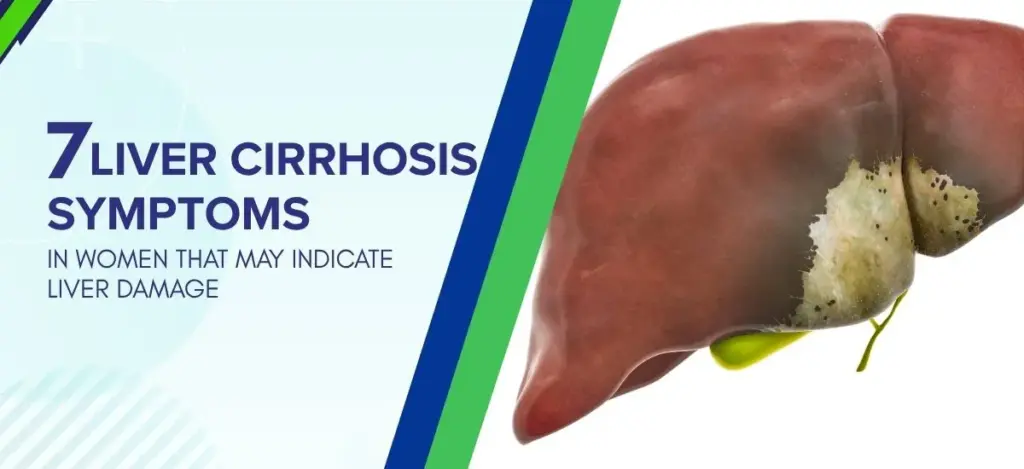
Liver cirrhosis symptoms in women could appear gradually, often only becoming obvious when there has been some damage done to your liver. Cirrhosis is a progressive condition whereby healthy liver tissue is replaced with scar tissue. According to global health estimates, millions of people are affected by cirrhosis worldwide, with chronic liver diseases such as viral hepatitis, alcohol-related liver disease, and metabolic dysfunction-associated steatotic liver disease (MASLD) being major contributors. In India, an increase in the number of cases related to fatty liver disease and metabolic disorders makes the issue of liver health very significant. Identifying liver cirrhosis symptoms in women is crucial for early diagnosis and better management of the disease.
Dr. Vipulroy Rathod, a well-known Gastroenterologist in Mumbai, India, says, “The liver may undergo silent progression from inflammation to fibrosis before symptoms become apparent. Early diagnosis and modern techniques assist in identifying the stage of liver damage effectively.”
Dr. Rathod is highly skilled at diagnosing and managing liver, digestion, and gastrointestinal diseases. With specialization in advanced endoscopy and hepatobiliary conditions, Dr. Rathod adopts an individualized approach to diagnosing and treating your liver problem.
Can liver cirrhosis affect women differently? Let’s explore the factors that influence symptoms and disease progression.
Why Can Liver Cirrhosis Symptoms Be Different in Women?

There is evidence to show that the development of symptoms of liver disease in women can differ from that in men based on their hormones, physical composition, and cause of the disease. Women can be at different stages of disease than men for alcohol-induced liver diseases due to different metabolism and sensitivity of the liver.
Common factors influencing liver cirrhosis symptoms in women include:
- Autoimmune liver diseases:Some forms of autoimmune liver disease have greater effects on women.
- Fatty liver disease: There are metabolic factors such as obesity, diabetes, and insulin resistance leading to liver problems.
- Hormonal factors:Hormone changes can impact liver metabolism and development of symptoms.
Understanding these differences helps in early identification and appropriate medical care.
What signs may indicate liver-related concerns? Let’s explore the common symptoms women should not ignore.
7 Liver Cirrhosis Symptoms in Women

- Persistent Fatigue and Weakness
Fatigue and low energy levels are typical symptoms because of reduced ability of the liver to do its job properly.
- Yellowing of the Skin and Eyes (Jaundice)
The condition appears because of the accumulation of bilirubin in the body and decreased ability of the liver to perform its functions.
- Abdominal Swelling and Fluid Buildup
Fluid accumulation in abdomen, known as ascites, may cause swelling, discomfort and increased abdominal size.
- Unexplained Weight Loss or Loss of Appetite
Changes in appetite and unexplained weight loss are caused by malfunction of the organ.
- Easy Bruising and Bleeding
Because of reduced synthesis of some important proteins by the liver needed for blood clotting, you might have bruises and bleeding.
- Changes in Menstrual Cycle or Hormone Symptoms
Hormonal imbalance that affects the menstrual cycle can be caused by impaired function of the organ.
- Mental Changes Such as Forgetfulness or Sleep Problems
These symptoms indicate an advanced stage of liver malfunction.
Persistent symptoms may indicate the need for closer liver assessment. Seek expert guidance to learn more about diagnosis and care options.
Do men and women experience liver cirrhosis in the same way? Let’s compare the common differences.
Are Liver Cirrhosis Symptoms Different in Women Compared to Men?
Feature | Women | Men |
Hormonal Impact | Symptoms may be influenced by hormonal changes | Hormonal effects are usually less prominent |
Common Causes | Autoimmune liver diseases and fatty liver disease may contribute | Alcohol-related liver disease is more frequently reported |
Symptom Recognition | Symptoms may appear subtle or be mistaken for other conditions | Symptoms may be recognised earlier in some cases |
Disease Progression | May vary depending on cause and overall health | May vary based on lifestyle and underlying conditions |
Although symptoms can differ, both men and women require timely evaluation when liver-related warning signs appear.
How do doctors identify liver cirrhosis accurately? Let’s explore the diagnostic methods used.
How Is Liver Cirrhosis Diagnosed in Women?
Liver cirrhosis can be diagnosed by various methods, which include the following:

Medical history and physical examination
This method involves assessment of symptoms and past liver diseases.

Blood test
Through liver function tests, one can understand the functioning of the liver.

Ultrasound or imaging scans
Such tests help diagnose changes in the liver and signs of liver scarring.

FibroScan
It is an effective and non-invasive diagnostic procedure to measure liver stiffness and fibrosis.

Endoscopy
In case of complications arising due to liver problems, endoscopy can be suggested.
Early diagnosis allows doctors to manage the condition and reduce the risk of complications.
What happens after cirrhosis is diagnosed? Let’s explore the available management approaches.
Treatment Options After Liver Cirrhosis Diagnosis

The main goal of treatment is to prevent the worsening of the condition, to treat the complications and improve liver function. Studies indicate that early diagnosis and changes in the lifestyle can decrease the risk of developing more severe damage to the liver. This applies specifically to cirrhosis related to fatty liver disease.
Treatments may include:
- Management of the underlying causes:Treatment of hepatitis, fatty liver disease, or other liver conditions.
- Lifestyle changes:Maintaining a proper weight, eating healthy food, and avoiding harmful substances.
- Medication:Specific medications may be used in the management of symptoms and complications.
- Monitoring: Conducting follow-up tests for tracking liver health and function.
- Advanced treatments: Severe cases may require specialised care and evaluation for additional therapies.
A personalised treatment plan helps address individual liver health needs.
Conclusion
Liver cirrhosis symptoms in women may at times develop gradually and may be easily overlooked. Symptoms such as fatigue, jaundice, ascites, appetite changes, easy bruising, and cognitive changes need to be evaluated for timely diagnosis.
With the assistance of an expert like Dr. Vipulroy Rathod, a highly experienced Gastroenterologist & Endoscopist in India, patients can receive accurate evaluation and personalised care for liver-related conditions.
Frequently Asked Questions
Early symptoms may include fatigue, weakness, appetite loss, and digestive discomfort.
Yes, cirrhosis can develop due to fatty liver disease, hepatitis, autoimmune conditions, and other causes.
Yellowing of the skin and eyes can occur when liver function becomes impaired.
The scarring itself is permanent, but treatment can meaningfully slow its progression and help manage any complications.
In more advanced stages, yes — fluid buildup, known as ascites, is a common complication.
Some symptoms and causes may vary due to hormonal and biological differences.
Untreated fatty liver disease can progress to liver inflammation and scarring in some cases.
Disclaimer: The information shared in this content is for educational purposes and not for promotional use.
References
- National Institute of Diabetes and Digestive and Kidney Diseases (NIDDK): Cirrhosis Information
https://www.niddk.nih.gov/ - American Liver Foundation: Cirrhosis Overview
https://liverfoundation.org/
