 Skip to content
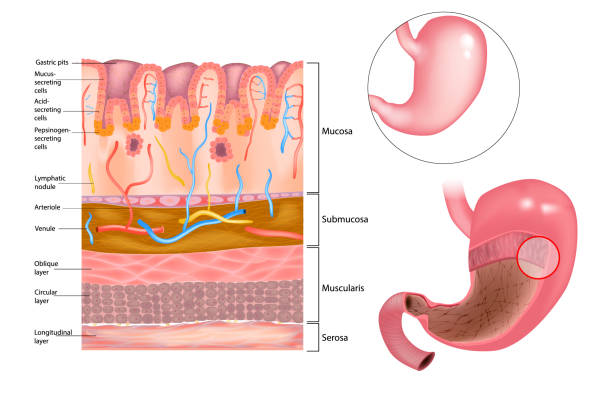
What Causes Thinning of the Stomach Lining?
Several medical and lifestyle factors can contribute to damage or thinning of the stomach lining. Understanding these causes helps identify the condition early and prevent further damage.
Common causes include:
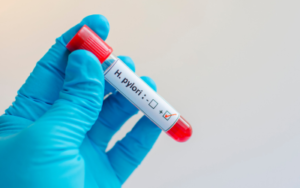
Helicobacter pylori infection

Autoimmune gastritis
Long-term use of medications

Chronic inflammation

Alcohol abuse

Aging
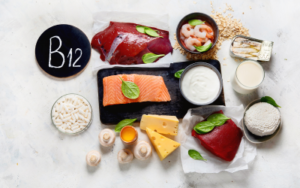
Nutritional deficiencies
Could your digestive symptoms be linked to stomach lining damage? Let’s discuss the signs that may indicate thinning of the stomach lining.
Symptoms of Thinning Stomach Lining
Symptoms can develop over time and vary from mild pain to more apparent digestive issues.
Common symptoms include:
- Persistent stomach pain or discomfort
- Burning sensation in the upper abdomen
- Bloating or frequent indigestion
- Loss of appetite
- Nausea or vomiting
- Fatigue or weakness due to nutrient deficiencies.
- Unexplained weight loss in some cases.
- Symptoms of vitamin B12 deficiency such as fatigue or nerve problems.
- These symptoms can be similar to other gastrointestinal conditions and hence proper assessment should be carried out for correct diagnosis.
Now, let’s discover the diagnostic methods used to evaluate this condition.
How is Thinning of the Stomach Lining Diagnosed?
Upper gastrointestinal endoscopy
The stomach is visually analyzed with the help of a flexible camera and abnormalities are identified.
Biopsy during endoscopy
To evaluate inflammation or thinning of mucosal lining, a small tissue sample can be taken.
Blood tests
A blood test is done to test vitamin deficiencies, infections or autoimmune markers.
H. pylori testing
Breath, stool or biopsy tests are used to identify bacterial infections.
Early diagnosis plays a vital role in preventing further damage to the stomach lining and improving treatment outcomes.
How can the thinning of the stomach lining be treated effectively? Let’s explore the treatment approaches that help restore stomach health.
Treatment Options for Thinning of the Stomach Lining
Treatment aims at addressing the underlying cause, protecting stomach lining and improving digestion.
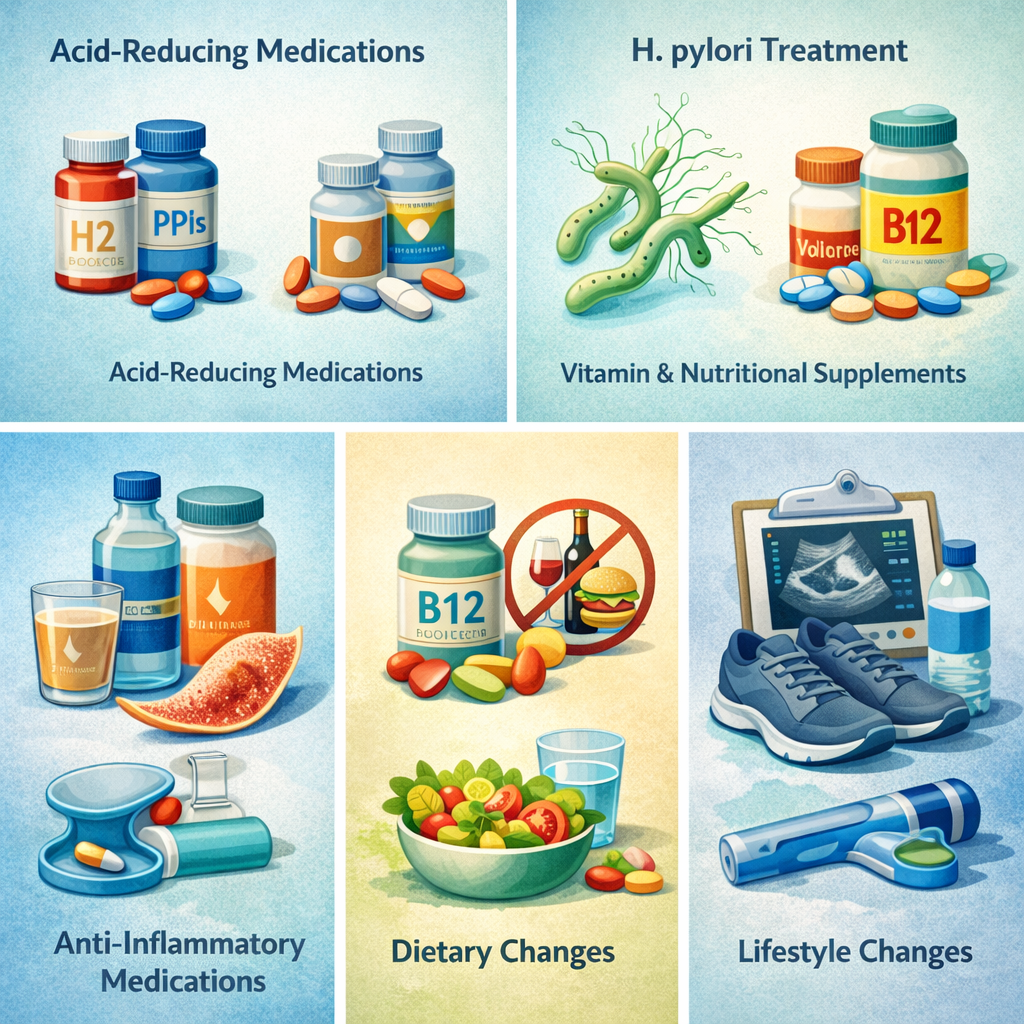
- Acid-Reducing Medications
- H. pylori Infection Treatment
- Nutritional Supplements and Vitamin
- Anti-Inflammatory and Protective Medications
- Dietary Modifications
- Lifestyle Changes
- Regular Monitoring and Follow-Up
Can the thinning of the stomach lining be prevented from worsening? Let’s explore simple yet effective preventive steps.
How to Prevent Further Damage to the Stomach Lining
Preventive measures focus on protecting the stomach lining and maintaining a healthy digestive system.
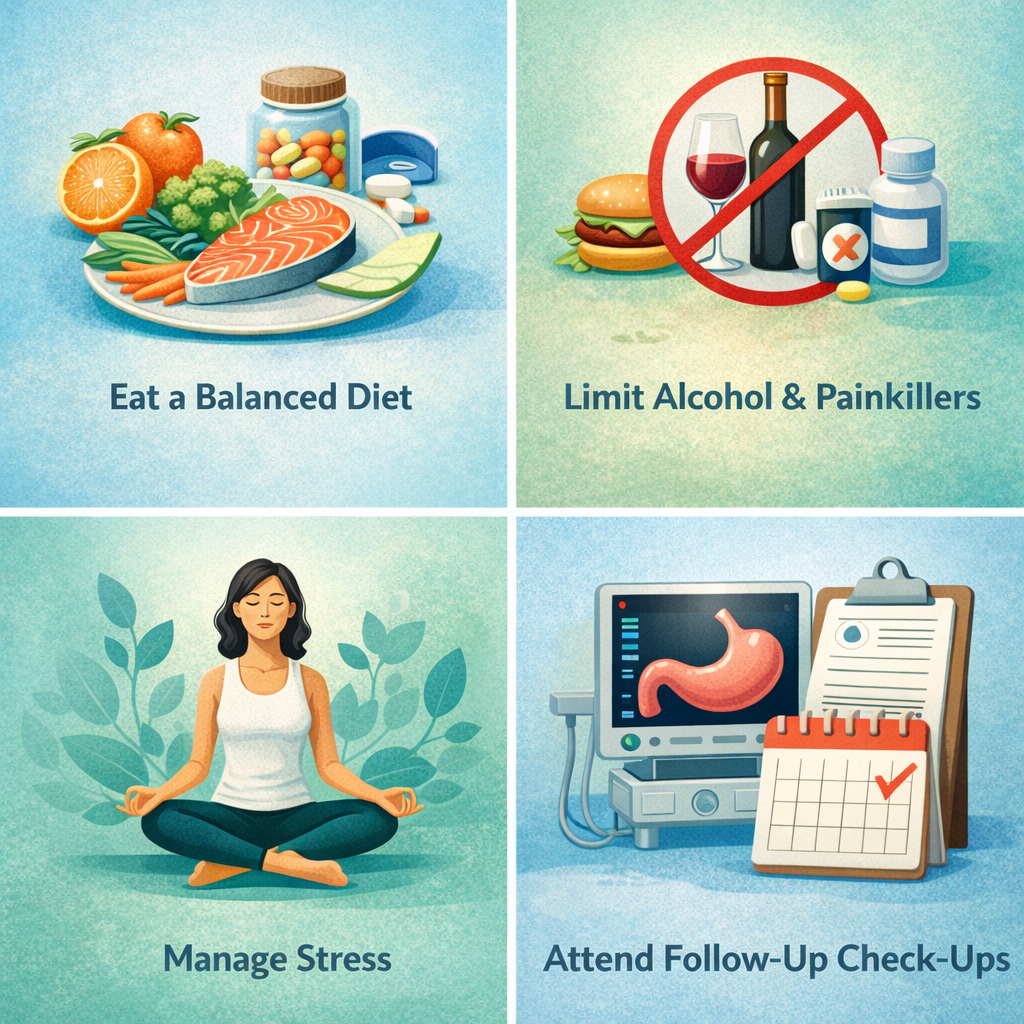
- Eating a healthy and balanced diet rich in vitamins and nutrients
- Limiting alcohol intake to reduce stomach irritation
- Avoiding unnecessary use of painkillers that harm the mucosal lining
- Managing stress, which can worsen digestive issues
- Regular medical check-ups for individuals with persistent digestive symptoms
- Treating infections early, especially H. pylori
Conclusion
Thinning of the stomach lining weakens the stomach’s natural protective barrier, making it more susceptible to irritation and inflammation. Although the condition can develop gradually, early recognition of symptoms and proper diagnosis are critical for preventing complications. With timely treatment, lifestyle adjustments, and regular monitoring, many patients can effectively manage the condition and maintain healthy digestion.
Expert evaluation from a competent gastroenterologist like Dr. Vipulroy Rathod can help identify the root cause and provide the right treatment plan to protect the stomach’s mucosal lining and improve long-term digestive wellbeing.
Frequently Asked Questions
If left untreated, it can lead to digestive problems, nutrient deficiencies, or stomach inflammation, so early diagnosis is important.
In many cases, treating the underlying cause and following appropriate medical care can help improve the health of the stomach lining.
Foods rich in fiber, fruits, vegetables, and probiotics may support stomach health.
Individuals with chronic gastritis, infections, autoimmune conditions, or long-term medication use may be at higher risk.
Yes, a healthy diet and avoiding irritants can help protect and support healing.
- https://www.hopkinsmedicine.org/health/conditions-and-diseases/gastritis
- https://www.mayoclinic.org/diseases-conditions/gastritis/symptoms-causes/syc-20355807
