Dr. Vipulroy Rathod

Stage 3 Liver Cirrhosis: Symptoms, Causes, Treatment | Dr. Vipulroy Rathod

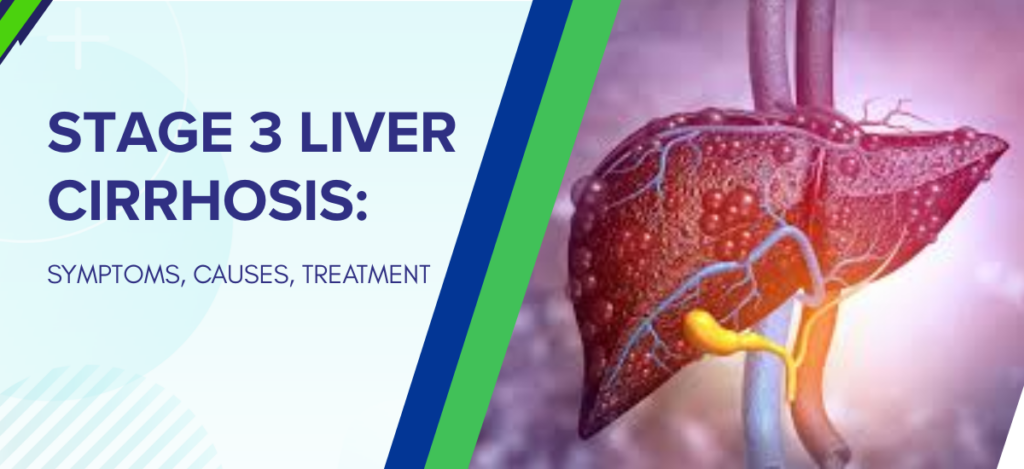
Stage 3 liver cirrhosis: symptoms, causes, treatment (left) with a liver illustration on the right side of the slide

Liver cirrhosis is a progressive condition in which healthy liver tissue is gradually replaced by scar tissue, reducing the organ’s ability to function. It develops over several years and often shows no clear signs in its early phases. Because the damage progresses slowly, many patients remain unaware of the condition until it advances.

Stage 3 liver cirrhosis represents a critical phase where the scarring becomes severe and the liver begins to struggle with essential functions. At this stage, complications such as fluid accumulation and bleeding risks often start to appear, making timely medical attention important for managing the condition effectively.

Dr. Vipulroy Rathod, a highly respected gastroenterologist in Mumbai, India, highlights, “Stage 3 cirrhosis is the phase where complications begin to surface, so close monitoring becomes essential.” He further adds, “While the scarring cannot be reversed, the right treatment approach can slow progression and improve quality of life significantly.”
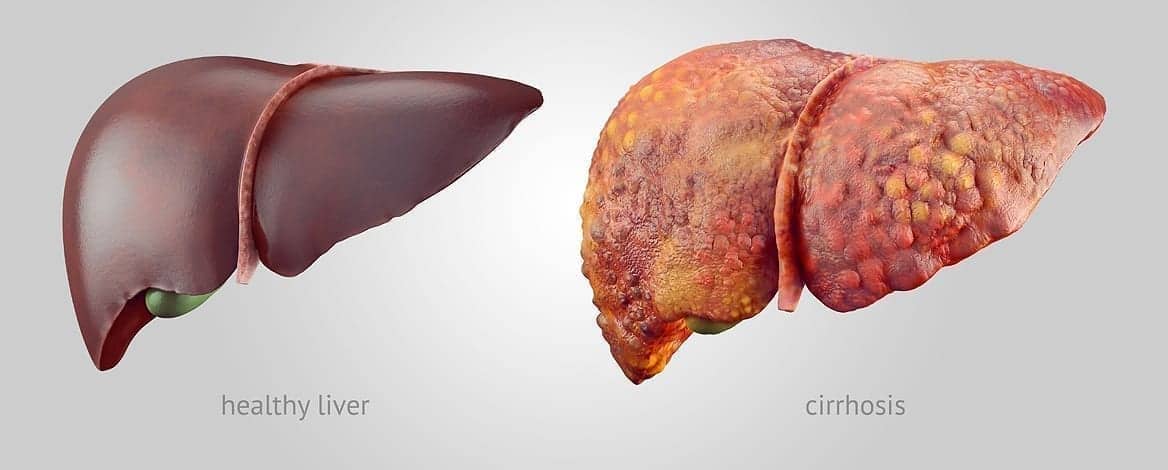
Side-by-side: left healthy liver smooth and dark red; right cirrhotic liver with a mottled, bumpy surface.  

Dr. Rathod is widely recognized for his expertise in managing complex liver and digestive disorders. With considerable experience in advanced diagnostic and therapeutic procedures, he focuses on controlling complications and preserving liver function for as long as possible.

His approach to stage 3 liver cirrhosis centres on early detection of complications, individualised treatment planning, and consistent follow-up, helping patients maintain stability and avoid rapid deterioration.

What Causes Stage 3 Liver Cirrhosis?

Stage 3 cirrhosis develops when ongoing liver damage continues without adequate treatment. Several underlying conditions contribute to this advanced scarring.
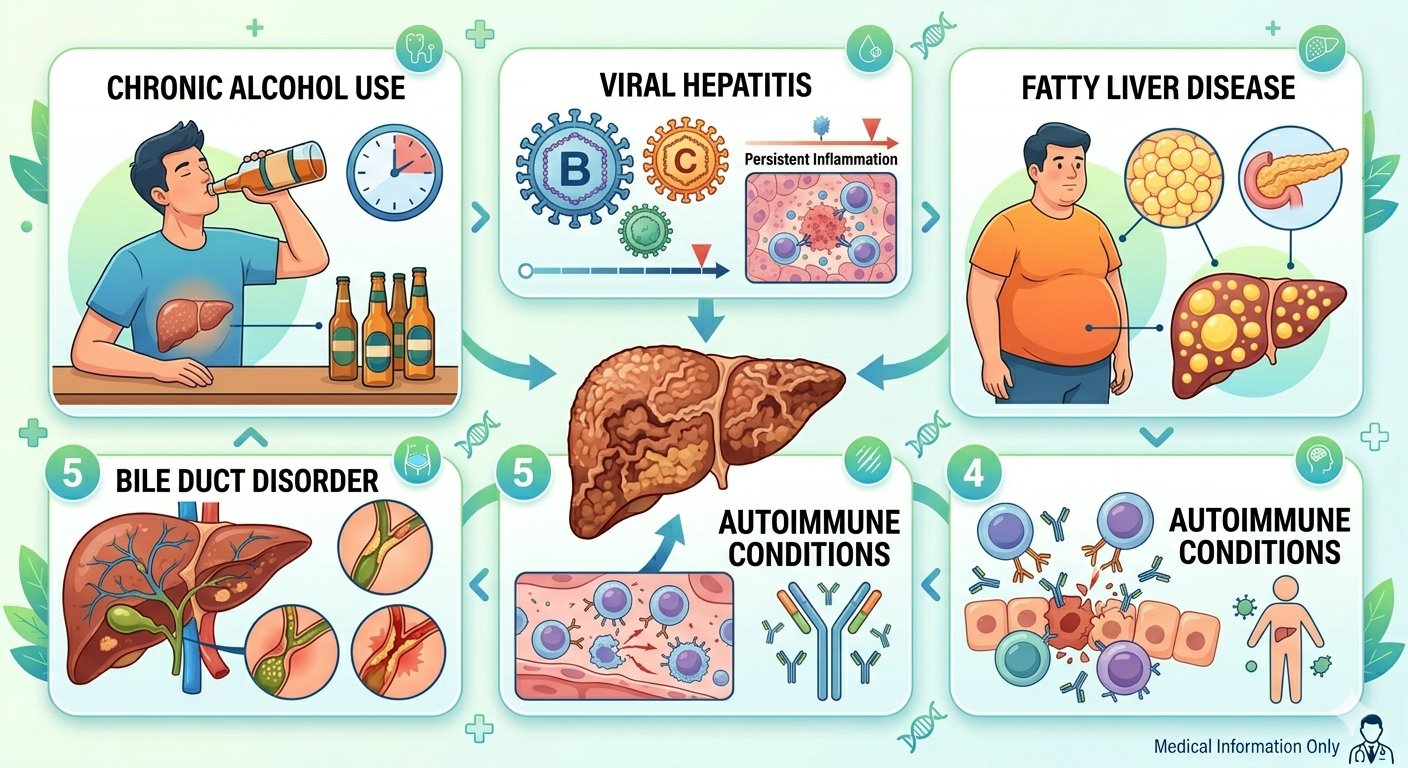
Infographic showing liver health; panels cover chronic alcohol use, viral hepatitis, fatty liver disease, bile duct disorders, and autoimmune conditions.

Common causes include:

  • Chronic alcohol use: Long-term heavy drinking progressively damages liver cells.
  • Viral hepatitis: Hepatitis B and C infections cause persistent inflammation that leads to scarring.
  • Fatty liver disease: Fat accumulation, often linked to obesity and diabetes, gradually harms the liver.
  • Autoimmune conditions: In some patients, the immune system mistakenly attacks healthy liver tissue.
  • Bile duct disorders: Blockage or injury to the bile ducts can trigger chronic liver damage.

Identifying the underlying cause is key to slowing progression and planning effective treatment.
How Is PEI Diagnosed and Treated?

Diagnosis takes one test. Treatment takes one medication. The problem is neither happens for months because nobody considers the pancreas until everything else has been tried first.

  • Fecal Elastase: Stool sample. Result in 48 hours. Below 200 is moderate. Below 100 is severe. That’s it. One test. Would have saved the patient months of elimination diets, probiotics, and frustration if someone had ordered it at the first appointment.
  • PERT: Enzyme replacement capsules with every meal and snack. Start at 40,000 to 50,000 units lipase per main meal, 25,000 per snack. Most patients feel genuinely different within 2 to 4 weeks. Stools normalise. Bloating drops. Weight starts recovering. They ask why nobody started this sooner.
  • Vitamins: A, D, E, K can’t absorb without lipase. Check levels. Supplement what’s low. Patient comes in with bone pain from D deficiency, bruising from K, fatigue nobody explained. Put those findings next to oily stools and weight loss and the diagnosis writes itself.
  • Cause: PERT fixes the symptom. Doesn’t fix the patient. Chronic pancreatitis needs managing. Cancer needs ruling out. Surgical patients need monitoring. Enzyme capsules without investigating why the pancreas stopped working is like treating a fever without looking for the infection.

PEI responds to treatment quickly when diagnosed properly. Read more on enzyme deficiency signs to understand which specific symptoms should trigger testing and how dose titration works in real clinical practice.

Noticing unusual symptoms or have a history of liver issues? Connect with a specialist to assess your liver health and next steps.

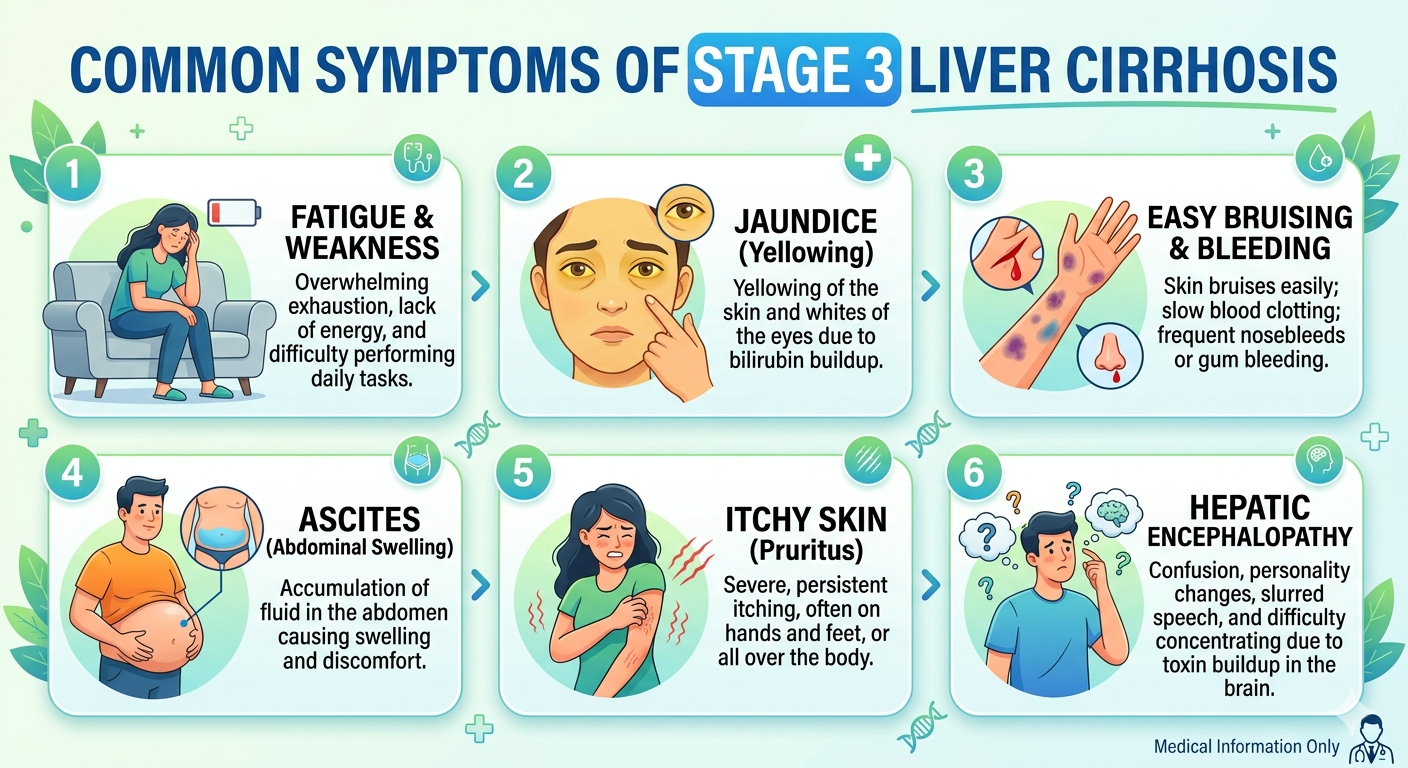
Common Symptoms of Stage 3 Liver Cirrhosis

Panel 1: Fatigue & Weakness — a woman sits on a couch looking tired; notes exhaustion and low energy levels for liver cirrhosis stage 3 symptoms.

Symptoms become more noticeable at this stage as liver function declines and complications begin to develop.

Common symptoms include:

  • Fluid accumulation in the abdomen (ascites), causing swelling and discomfort
  • Jaundice, with yellowing of the skin and eyes
  • Easy bruising and bleeding due to impaired clotting
  • Persistent fatigue and general weakness
  • Swelling in the legs and ankles (edema)
  • Confusion or difficulty concentrating, in some cases

“Recognising symptoms such as ascites or jaundice early can prevent complications and ensure better outcomes,” states Dr. Vipulroy Rathod.
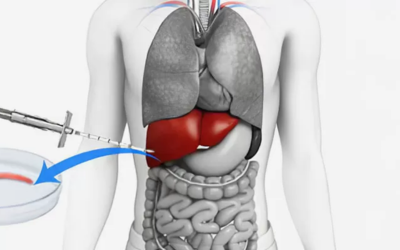
Together, these tests provide a clear picture of the condition and guide appropriate treatment.

Treatment Options for Stage 3 Liver Cirrhosis


Since the scarring cannot be reversed, treatment focuses on slowing progression, managing complications, and addressing the underlying cause.

The treatment options include:

· Treating the Underlying Cause

This may involve antiviral medication for hepatitis or complete cessation of alcohol, both of which help prevent further liver damage.

· Managing Fluid Retention

Diuretics and a low-salt diet are used to control ascites and swelling, with fluid drainage performed in severe cases.

· Controlling Bleeding Risks

Medications and endoscopic procedures help manage enlarged varices and reduce the risk of dangerous bleeding.

· Nutritional Support

A carefully planned diet supports liver function and addresses the malnutrition common at this stage.

· Medications for Complications

Specific medications are prescribed to manage hepatic encephalopathy and prevent infections.

· Regular Monitoring

Frequent checkups and screening help detect complications early and track the progression of the condition.

· Liver Transplant Evaluation

In advanced cases where the liver fails to function adequately, transplant evaluation may be considered as a long-term solution.

Early and appropriate treatment significantly improves quality of life and reduces the risk of serious complications.

What happens if stage 3 cirrhosis is left untreated? Let’s understand the potential risks.

Complications if Stage 3 Cirrhosis is Left Untreated

Without proper control, stage 3 liver cirrhosis can worsen and cause fatal outcomes. Complications that can develop include:

  • Complete liver failure with development of stage 4 cirrhosis
  • Internal bleeding due to varices rupturing
  • Severe fluid accumulation in the abdomen and infections
  • Changes in brain function due to hepatic encephalopathy
  • Strong possibility of there being liver cancer

Intervening at the right time can help delay the progression and lower the chances of these complications.

Concerned about your liver condition worsening? Get in touch with a professional to manage complications and protect your long-term health.

Managing Life with Stage 3 Liver Cirrhosis

Stage 3 cirrhosis is a serious and progressive condition, one that may result in symptoms such as fatigue, swelling in the legs and abdomen, and jaundice. You will Yes need a comprehensive care plan combined with some lifestyle adjustments to help maintain your condition and even slow the damage down.

The main points of managing stage 3 are:

  • Alcohol must be totally abstained from
  • A nutritious, low-salt diet will go a long way in supporting the liver
  • Frequent and regular check-ups by doctors are the best way to keep a close eye on your condition
  • Vaccinations will give you an extra layer of protection against other harmful liver diseases
  • Strict obedience to the doctor’s orders for medication is a must

Frequently Asked Questions

The scarring cannot be reversed, but treatment can slow progression and manage symptoms.

It is advanced and serious, but with proper care, complications can be managed effectively.

With timely treatment and lifestyle changes, many patients maintain stability for years.

Treatment focuses on the underlying cause, managing complications, and regular monitoring.

No, a transplant is considered only in advanced cases where the liver fails to function.

Leave a Comment

Your email address will not be published. Required fields are marked *

Scroll to Top
Call Now Button