 Skip to content
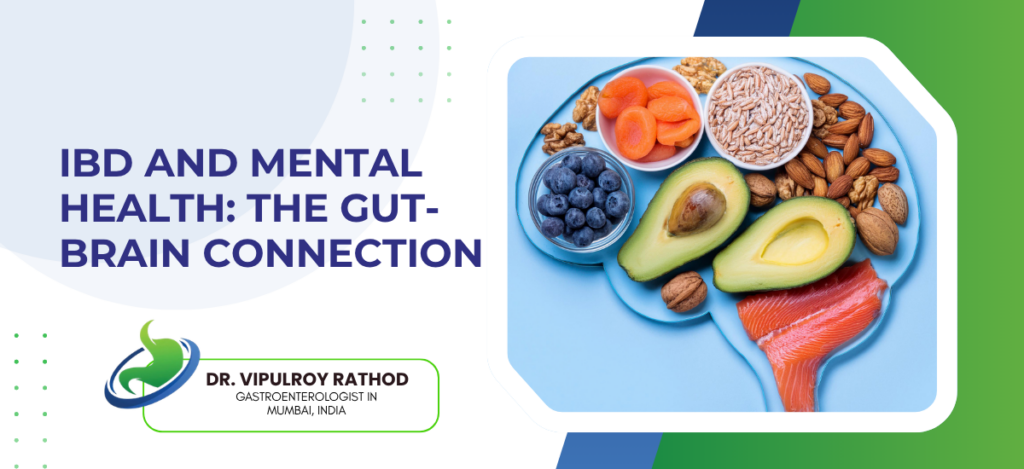
Inflammatory Bowel Disease (IBD)—including Crohn’s disease and ulcerative colitis—is deeply linked to mental health through the gut-brain axis. Chronic intestinal inflammation disrupts this two-way communication system, significantly increasing the risk of anxiety and depression, while psychological stress can actively trigger or worsen physical IBD flare-ups.
According to Dr. Vipulroy Rathod, Gastroenterologist in Mumbai, “I’ve seen patients whose IBD only stabilises once their anxiety or depression gets properly treated. And the reverse, patients whose mood improves substantially when their gut inflammation finally comes under control. The gut-brain connection isn’t theoretical anymore. Ignoring the mental health side is one of the commoner reasons patients don’t respond to treatment the way they should.”
How the gut and brain talk to each other in IBD?
The gut-brain axis is a real anatomical and biochemical system, not a metaphor. Several pathways connect the two.
- Inflammatory cytokines crossing the blood-brain barrier. TNF-alpha, interleukin-6, and similar molecules produced during active IBD reach the brain and directly affect mood-regulating circuits. This is part of why flares often come with worsening fatigue and low mood before the bowel symptoms themselves become severe.
- The vagus nerve carries signals in both directions between the gut and the central nervous system. Pain perception, satiety, emotional regulation, autonomic function. In active IBD this signalling is disrupted, and many of the symptoms patients attribute to the disease itself, fatigue, poor sleep, altered stress tolerance, come partly from this disruption.
- Gut microbes and neurotransmitters. Most of the body’s serotonin is made in the gut. So is a meaningful proportion of GABA precursors. Dysbiosis in IBD shifts the production of these chemicals, which is one biological link between microbiome changes and mood symptoms that wasn’t recognised for years.
- HPA axis dysregulation. Chronic IBD activates the cortisol stress response continuously, and that chronic activation contributes to anxiety, sleep problems, and reduced capacity to handle stress, which then feeds back into disease activity.
Understanding the mechanism changes treatment priorities. IBD treatment plans that include mood screening at every clinic visit, with appropriate referral or treatment when something is identified, produce meaningfully better outcomes than gastroenterology-only care.
What this means for patient care in practice?
The clinical consequences show up in how IBD should be managed day to day.
Mood screening should happen at diagnosis and at every flare. PHQ-9 for depression, GAD-7 for anxiety, both quick to administer and meaningfully better than asking “how are you feeling” in passing. A surprising proportion of patients screen positive without ever having mentioned mood symptoms, often because they assumed those symptoms were just part of having a chronic disease.
Biologic therapy and other anti-inflammatory treatments improve mood substantially in many patients, sometimes more than they improve the gut symptoms. Patients started on infliximab or vedolizumab who report better energy, improved sleep, and reduced anxiety within weeks aren’t experiencing a placebo response. They’re experiencing the central effect of removing inflammatory signalling from the brain. This is real.
Psychological treatment, when needed, works. CBT specifically adapted for IBD has good evidence for reducing both anxiety symptoms and disease activity. SSRIs are safe in IBD and combine fine with biologic therapy. The reluctance to start psychiatric medication in IBD patients is mostly outdated thinking that hasn’t caught up with the evidence.
Stress management isn’t just lifestyle advice. Mindfulness, regular sleep, exercise, yoga, all have measurable effects on inflammatory markers in IBD, separate from their direct effects on mood. Not substitutes for medication, but not optional extras either. Read more on what IBD is and how it’s diagnosed for how the underlying conditions sit within the broader clinical picture.
Why choose Dr. Vipulroy Rathod for IBD and mental health care?
Dr. Vipulroy Rathod has been managing inflammatory bowel disease at Fortis Hospital Mulund for over three decades, with the integrated approach to gut and mental health that the modern evidence now demands. Many patients arrive having been treated for years by gastroenterologists who never asked about mood, and separately by psychiatrists who didn’t know much about IBD, with neither side aware that the two were biologically connected.
The patients who do best in this disease are usually the ones whose IBD team takes mental health seriously and whose mental health team understands what active gut inflammation does to mood. Not every patient needs a psychiatrist alongside their gastroenterologist, but every patient should be screened, and the ones who need integrated care should get it without delay.
Book your consultation today with one of India’s most experienced specialists for IBD management and integrated mental health assessment.
Frequently Asked Questions
Yes, significantly. Around a third meet criteria for clinical anxiety or depression, compared to ten to fifteen percent in the general population.
Yes. Better adherence to IBD medication, fewer flares, better quality of life. The evidence is consistent now.
Stress doesn’t cause IBD, but it can trigger flares in established disease. The cortisol and inflammatory signalling pathway is well-mapped at this point.
Yes. SSRIs and most antidepressants combine with biologic therapy without significant interaction concerns. The combination is common in IBD practice.
Reference links-
- IBD and Psychological Comorbidity Position Statement, American Gastroenterological Association — https://gastro.org/clinical-guidance/
- Brain-Gut Behavioral Therapies in IBD, Crohn’s and Colitis Foundation — https://www.crohnscolitisfoundation.org/
