Dr. Vipulroy Rathod

Contact Us

    Liver Cirrhosis Treatment in Mumbai

    Liver cirrhosis is a severe liver condition where healthy liver tissue is gradually replaced by scar tissue due to chronic liver damage. This scarring can impair the liver’s ability to function, leading to complications such as liver failure, bleeding varices, and ascites.

    Dr. Vipulroy Rathod, a distinguished gastroenterologist in Mumbai, emphasizes, “While liver cirrhosis can be life-threatening, early detection and intervention can significantly improve the quality of life and prevent further damage to the liver.”

    With over three decades of experience, Dr. Rathod utilizes advanced diagnostic tools and procedures to provide effective liver cirrhosis treatment in Mumbai. His comprehensive approach ensures personalized care tailored to each patient’s unique needs, aiming to prevent disease progression and enhance liver health.

    What causes liver cirrhosis, and who is at risk? Let’s look at the main contributors to liver cirrhosis.

    Causes and Risk Factors of Liver Cirrhosis

    Liver cirrhosis is often the result of chronic liver damage that causes the liver tissue to become scarred and dysfunctional. Common causes and risk factors include:

    Chronic Alcohol Consumption

    Excessive and long-term alcohol intake can lead to alcoholic liver disease, eventually resulting in cirrhosis.
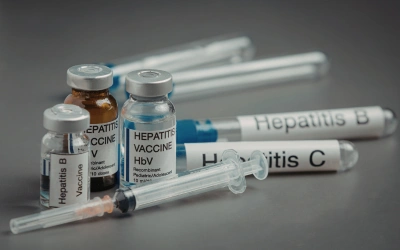
    Chronic Viral Hepatitis

    Hepatitis B and C infections are major causes of liver cirrhosis worldwide. These viruses cause chronic inflammation in the liver, which can lead to scarring.
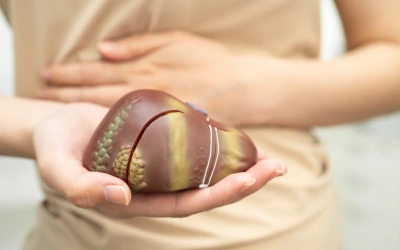
    Non-Alcoholic Fatty Liver Disease (NAFLD)

    This condition is commonly linked to obesity, diabetes, and high cholesterol, and can lead to cirrhosis if left untreated.

    Medications and Toxins

    Long-term use of certain medications or exposure to toxic substances can damage the liver and increase the risk of cirrhosis.
    Genetic Disorders

    Certain inherited conditions, such as hemochromatosis (excess iron in the body) and Wilson’s disease (excess copper in the liver), can increase the risk of cirrhosis.
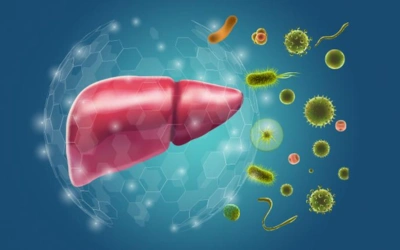
    Autoimmune Hepatitis

    An autoimmune condition where the body’s immune system attacks the liver, causing inflammation and damage.
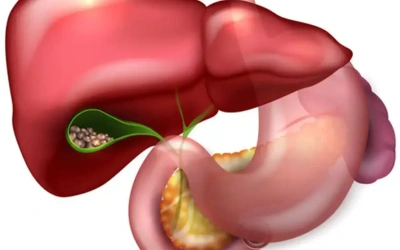
    Biliary Disease

    Conditions like primary biliary cirrhosis or primary sclerosing cholangitis, which affect the bile ducts, can lead to cirrhosis over time.
    Now, let’s explore the diagnostic tools that help detect cirrhosis early and assess its severity.

    Advanced Diagnostic Approaches for Liver Cirrhosis

    Timely diagnosis helps in the effective management of liver cirrhosis. Dr. Rathod employs modern diagnostic technology that provides a proper assessment of a patient’s liver condition. The major tools that are employed in the assessment include:

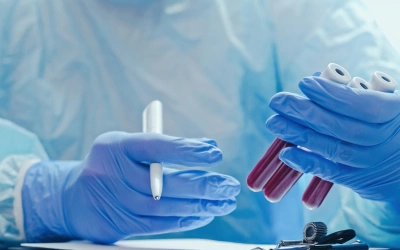
    Blood Tests

    Blood tests, such as liver function tests may also help to identify the level of liver damage and the possibility of unusual amounts of liver enzymes in the blood.
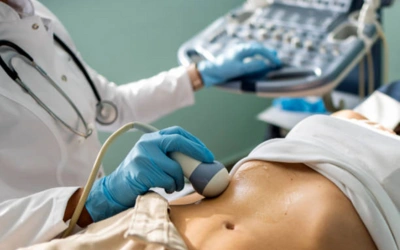
    Ultrasound

    A non-invasive imaging modality which enables the doctor to view the liver and observe if there are any abnormalities, for example, swelling or fibrosis of the liver.
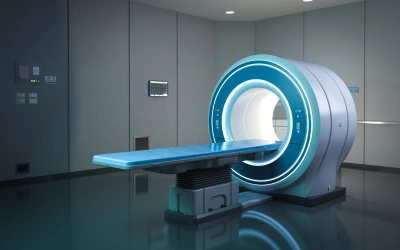
    CT Scan/MRI

    Such imaging studies yield more detailed images of the liver to help the physician understand the severity of cirrhosis as well as identify potential congestive complications of cirrhosis such as tumors and varices.
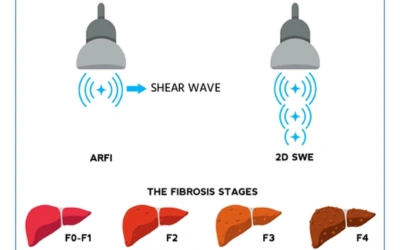
    Elastography

    A type of ultrasound which measures the stiffness of the liver and is a means of assessing the extent of scarring in the liver.
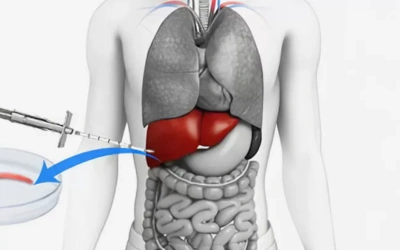
    Liver Biopsy

    In some cases, a small tissue sample from the liver may be taken to examine the extent of scarring and confirm the diagnosis of cirrhosis.
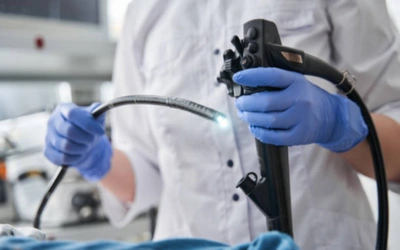
    Endoscopy

    If complications such as varices are suspected, an endoscopy may be used to check for enlarged veins in the esophagus or stomach, which can occur in cirrhosis.

    If you suspect liver cirrhosis or have risk factors for the disease, early diagnosis is key. Get in touch with a specialist for a comprehensive evaluation and accurate testing.

    What treatment options are available for liver cirrhosis? Let’s look at the approaches for effectively managing the condition.

    Liver Cirrhosis Treatment Offered by Dr. Vipulroy D. Rathod

    Dr. Rathod takes a personalized approach to treating liver cirrhosis, focusing on slowing disease progression and preventing complications. Treatment options may include:

    Lifestyle Modifications:

    Dr. Rathod stresses that healthy eating habits, exercise and proper management of obesity are essential in protecting the liver from undue strain. Alcohol abstinence is a must for patients suffering from alcoholic cirrhosis of the liver.

    Medications:

    Depending on the cause and severity of the cirrhosis, medications may be prescribed to treat underlying conditions, such as antiviral drugs for hepatitis or corticosteroids for autoimmune hepatitis.

    Managing Complications:

    Dr. Rathod closely monitors for complications like varices (enlarged veins), ascites (fluid buildup in the abdomen), and hepatic encephalopathy (liver-related brain dysfunction). Treatment for these complications may involve medications, procedures like banding of varices, or diuretics to manage fluid retention.

    Endoscopic Procedures:

    Dr. Rathod specializes in endoscopic techniques to treat complications associated with cirrhosis, such as bleeding varices. Procedures such as EVL may be used to prevent episodes of life-threatening bleeding.

    Liver Transplantation:

    For patients with advanced cirrhosis who develop liver failure, a liver transplant may be recommended. Dr. Rathod works closely with transplant centers to ensure timely referrals and proper management for patients in need of a liver transplant.

    Let’s take a closer look at why Dr. Rathod is the top choice for your comprehensive liver cirrhosis treatment in Mumbai.

    Why Choose Dr. Vipulroy D. Rathod for Liver Cirrhosis Treatment?

    Extensive Experience:

    Dr. Rathod is an expert gastroenterologist with over 30 years of experience and is well-versed in the treatment of liver diseases, particularly cirrhosis.

    Advanced Diagnostic Tools:

    He uses state-of-the-art diagnostic techniques, including liver elastography and imaging, to accurately assess the degree of liver damage.

    Personalized Treatment Plans:

    Each treatment is tailored to the patient's specific condition, addressing the root causes and preventing further liver damage.

    Minimally Invasive Procedures:

    As an expert in endoscopy, Dr. Rathod offers minimally invasive treatments to manage complications of cirrhosis, such as varices and ascites.

    Why Choose Dr. Vipulroy D. Rathod for GERD Endoscopic Treatment in Mumbai?

    Patient-Centered Approach:

    He ensures that each patient fully understands their diagnosis and treatment options, empowering them to make informed decisions.

    Global Recognition:

    Dr. Rathod is internationally acclaimed for his contributions to gastroenterology and liver care, ensuring that patients receive world-class treatment.

    For the best liver cirrhosis care, trust a specialist with proven expertise. Reach out today to discuss your treatment options.

    Frequently Asked Questions

    1. Can liver cirrhosis be cured?
    While liver cirrhosis cannot be reversed, its progression can be slowed, and complications can be managed with proper treatment.
    2. Can liver cirrhosis lead to liver failure?
    Yes, if left untreated, cirrhosis can progress to liver failure, a life-threatening condition.
    3. Is liver transplantation necessary for cirrhosis?
    Liver transplantation may be required for patients with advanced cirrhosis who develop liver failure.
    4. How can complications from liver cirrhosis be prevented?
    Regular monitoring, medications, and endoscopic procedures can help prevent complications like varices and ascites.
    5. What is the survival rate for people with liver cirrhosis?
    The survival rate depends on the stage of cirrhosis and how well complications are managed. Early diagnosis and treatment improve outcomes.
    Disclaimer: The information shared in this content is for educational purposes only and not for promotional use.
    Scroll to Top
    Call Now Button