 Skip to content
Contact Us
Endoscopic Treatment of Gastroesophageal Reflux Disease (GERD) in Mumbai, India
The digestive tract is central to our health, ensuring that food is processed, nutrients are absorbed, and waste is removed. When something disrupts this system—like Gastroesophageal Reflux Disease (GERD)—it can impact not just the stomach but overall quality of life.
Globally, GERD affects nearly 20% of the adult population, with higher prevalence in Western countries. In India, estimates suggest 7–18% of people suffer from GERD, and urban lifestyles are contributing to rising cases each year.
Dr. Vipulroy Rathod, a globally acclaimed Gastroenterologist in Mumbai, India, says:
“GERD is more than just acid reflux. Untreated, it can lead to serious complications such as esophagitis, strictures, or even precancerous changes. The good news is, modern endoscopic techniques allow us to treat GERD without major surgery, offering lasting relief with minimal downtime.”
Now, let’s look at what really causes this condition.
Dr. Vipulroy Rathod Explains the Causes and Symptoms of GERD
Here’s the thing—GERD doesn’t just appear overnight. It develops due to multiple factors that weaken the valve between the stomach and the esophagus.
Common Causes of GERD include:
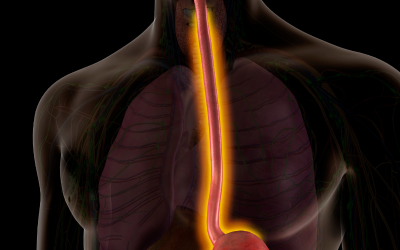
Weak Lower Esophageal Sphincter (LES):
When the muscle at the base of the esophagus relaxes abnormally.

Hiatal Hernia:
A condition where part of the stomach pushes through the diaphragm.
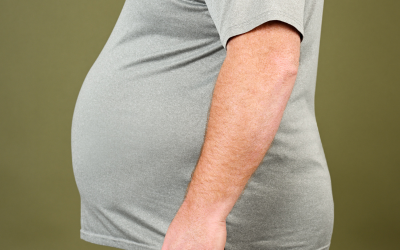
Obesity:
Extra abdominal pressure increases acid reflux.

Medications:
Certain painkillers, sedatives, or antihistamines.
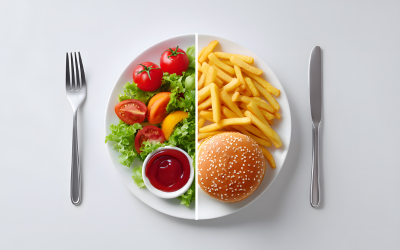
Dietary Factors:
Excessive coffee, spicy food, alcohol, or fatty meals.
Symptoms Patients Often Experience:
- Persistent heartburn
- Acid regurgitation (sour taste in the mouth)
- Chest pain resembling cardiac issues
- Difficulty swallowing
- Chronic cough or throat irritation
Dr. Vipulroy Rathod, a pioneering digestive health specialist in Mumbai, explains:
“When patients complain of persistent heartburn, they often dismiss it as a lifestyle problem. But repeated reflux damages the esophagus, sometimes silently. Recognizing symptoms early allows us to intervene with endoscopic therapies that restore normal function and prevent long-term harm.”
Concerned about ongoing acidity or chest discomfort? Speak to a digestive health expert to explore tailored solutions for lasting relief.
Curious about how modern medicine addresses GERD without surgery? Let’s explore that next.
Advanced Endoscopic Techniques for GERD Treatment Offered by Dr. Vipulroy D. Rathod
Let’s dive deeper—traditional GERD treatment relied heavily on long-term medications or invasive surgery. Today, endoscopic procedures are revolutionizing how GERD is managed.
Cutting-edge GERD Endoscopic Treatments include:
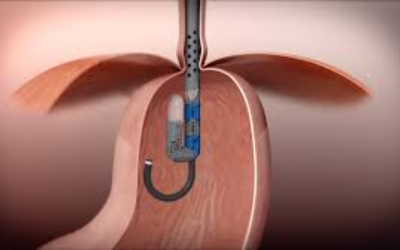
Transoral Incisionless Fundoplication (TIF):
A minimally invasive technique to recreate the natural valve at the junction of the stomach and esophagus. Helps reduce reflux without external incisions.
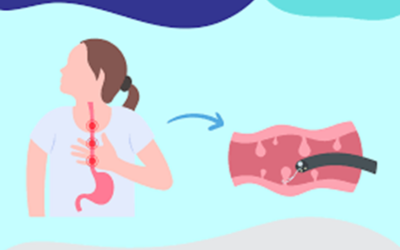
Radiofrequency Ablation (Stretta Therapy):
Uses controlled radiofrequency energy to strengthen the lower esophageal sphincter. Effective for patients who don’t respond well to medications.
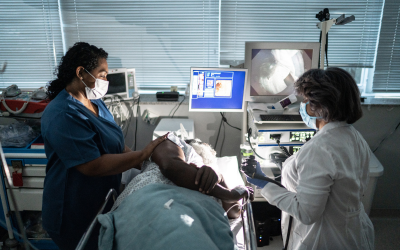
Endoscopic Suturing Devices:
Specialized tools that tighten the LES and reduce reflux episodes.
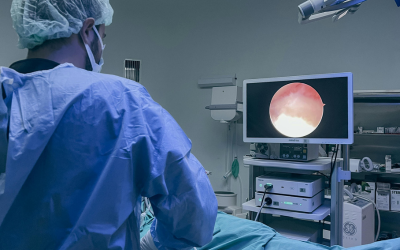
Endoscopic Resection or Ablation:
For patients with severe GERD and precancerous changes like Barrett’s Esophagus.
Dr. Vipulroy Rathod, a renowned interventional gastroenterologist in Mumbai, notes:
“Endoscopic acid reflux treatments are reshaping how we care for GERD. These methods are safe, precise, and allow patients to resume daily activities within days, unlike surgery which may take weeks for full recovery.”
That brings us to an important aspect—no two patients are alike, and treatment must be customized.
Personalized GERD Treatment Plans by Dr. Vipulroy Rathod
You might be wondering—how do doctors decide which therapy suits you best?
Dr. Vipulroy Rathod creates individualized GERD treatment plans based on:
Severity of Symptoms:
Whether heartburn is occasional or persistent.
Diagnostic Tests:
Endoscopy, pH monitoring, and manometry.
Lifestyle & Diet Patterns:
Stress, eating habits, and triggers.
Response to Medications:
Whether symptoms improve or remain despite therapy.

These insights allow him to recommend endoscopic acid reflux treatment, medication, or a hybrid approach.
Dr. Vipulroy Rathod, a highly respected gastrointestinal endoscopist in Mumbai, emphasizes:
“Personalization is key in GERD treatment. A student under academic stress, an executive with irregular meals, and a senior citizen with multiple health issues cannot be treated with the same protocol. By tailoring interventions, we achieve results that are both effective and sustainable.”
Wondering if your reflux symptoms need more than lifestyle changes? A digestive specialist can help create a customized care pathway for you.
Still thinking what makes one doctor stand out for such a complex condition? Let’s find out.
Why Choose Dr. Vipulroy Rathod for Endoscopic Treatment of GERD?
Unmatched Expertise:
Over 80,000 endoscopic procedures and 20,000 advanced EUS interventions performed.
Global Recognition:
Trained at prestigious centers like Yale University and Universitätsklinikum Hamburg Eppendorf.
Minimally Invasive Focus:
Pioneer of advanced GERD endoscopy in South Asia, prioritizing patient comfort.
Holistic Care:
Attention to both medical and lifestyle aspects of GERD.
Patient-Centered Philosophy:
Known for detailed explanations and empathetic care.

You might be wondering what else you should know. Here are some common questions answered…
Frequently Asked Questions
Is GERD the same as acidity?
Not exactly. While occasional acidity is common, GERD is a chronic condition where stomach acid frequently flows into the esophagus, causing damage.
Can GERD go away on its own?
Mild cases may improve with diet and lifestyle changes, but chronic GERD usually requires medical or endoscopic intervention to prevent complications.
How safe are GERD endoscopy procedures?
Endoscopic treatments are considered very safe, with low complication rates. Most patients return home the same day and resume work within a few days.
What if medications have worked for me so far?
If medications control your symptoms effectively, you may not need endoscopy immediately. However, long-term medication use can have side effects, and endoscopic solutions may reduce dependency.
Can GERD increase cancer risk?
Yes, untreated GERD can cause Barrett’s Esophagus, a precancerous condition. Endoscopic treatments help manage GERD and reduce risks of future complications.
Disclaimer: The content shared on this page is for informational purposes and not for promotional use.
Still unsure whether your symptoms point to simple acidity or chronic GERD? A gastroenterology consultation can provide clarity and peace of mind.
