 Skip to content
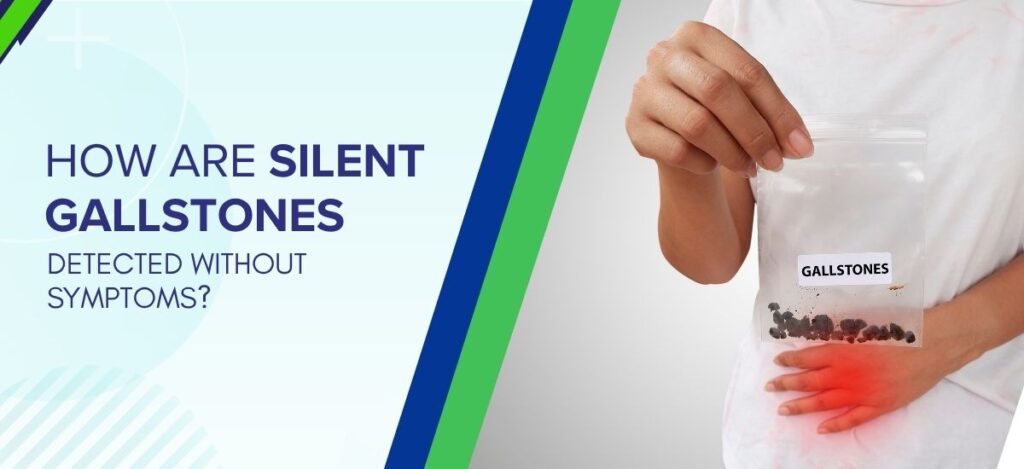
Gallstones don’t always cause pain or digestive trouble. Many people carry gallstones for years without ever knowing it, a condition doctors call silent gallstones or asymptomatic cholelithiasis. These stones form in the gallbladder but stay quiet, often turning up only when a scan is done for an entirely different reason.
Dr. Vipulroy Rathod, a leading gastroenterologist in Mumbai, India, explains, “Most silent gallstones are found by accident during an ultrasound or scan ordered for something unrelated.
Once identified, the next step is understanding whether they need monitoring or treatment.” He adds that not every gallstone requires immediate intervention, but every case deserves a proper evaluation.
With extensive experience in diagnosing and managing gallbladder and digestive conditions, Dr. Vipulroy Rathod helps patients understand what an incidental gallstone finding means for their health and what, if anything, needs to be done about it.
Why do gallstones stay silent in the first place? Let’s look at what’s really happening inside the gallbladder.
What Are Silent Gallstones and Why Do They Go Unnoticed?

Silent gallstones are stones that form in the gallbladder without producing pain, digestive upset, or any other noticeable symptom. They are usually discovered incidentally, most often during an abdominal ultrasound, CT scan, or MRI performed for an unrelated health concern.
Gallstones become “symptomatic” only when they block the flow of bile, irritate the gallbladder wall, or trigger inflammation. As long as a stone sits quietly without obstructing bile flow, it may never announce itself.
What allows these stones to form without triggering any warning signs? Let’s look at the underlying factors.
What Causes Gallstones to Form Without Symptoms?
Gallstones develop when bile contains too much cholesterol or bilirubin, or when the gallbladder doesn’t empty completely. Several factors can contribute:
- Excess cholesterol in bile: When bile holds more cholesterol than it can dissolve, the excess can crystallize into stones.
- Poor gallbladder emptying: A gallbladder that doesn’t contract efficiently allows bile to sit and concentrate, encouraging stone formation.
- Excess bilirubin: Certain blood or liver conditions increase bilirubin levels, contributing to pigment stone formation.
- Obesity and rapid weight loss: Both can alter bile composition and increase gallstone risk.
- Family history: A genetic predisposition can make some individuals more prone to gallstones.
- Age and hormonal factors: Risk increases with age and can be influenced by hormonal changes, including pregnancy or hormone therapy.
Had a scan mention gallstones you didn’t know about? Connect with a specialist to understand what it means for you.
Who is more likely to develop gallstones that stay hidden? Let’s look at the risk factors.
Who Is at Risk of Developing Silent Gallstones?

Since these stones don’t cause symptoms, how are they actually found? Let’s explore the detection methods.
How Are Silent Gallstones Detected Without Symptoms?
Because silent gallstones don’t announce themselves, they are almost always picked up through imaging or tests done for another purpose. Common ways they come to light include:

Abdominal Ultrasound
Ultrasound is the most common and reliable way gallstones are detected, often ordered to investigate vague abdominal complaints, during a routine health check-up, or for reasons unrelated to the gallbladder.
Incidental Findings on CT or MRI Scans
Gallstones are often a side effect (incidental find) that the physician finds when he/she does a scan (CT or MRI of the abdomen/spine, etc.) to detect problems in the organ near the gall bladder.


Routine Health Check-Ups
Comprehensive health screenings that include an abdominal ultrasound can reveal gallstones long before any symptoms would prompt a visit to the doctor.

Blood Tests
Liver enzymes are a group of enzymes made in the liver. These include the enzymes ALT, AST, and GGT.
In some cases, elevated bilirubin levels or elevated enzymes can indicate gall-bladder related conditions or other liver diseases. Blood tests are not used to detect gall-stones but rather to point out other potential diseases that might lead the doctors to order imaging studies.

Diagnosis Before Other Interventions
If an individual plans for surgery or procedures, the doctor may first do an x-ray or an ultrasound to find out if there are any stones. On occasion, gallstones are found during x-ray or blood tests of the liver and gall-bladder done for other unrelated reasons.
Once gallstones are identified, a gastroenterologist reviews the findings alongside the person’s overall health, symptoms (if any begin to appear), and risk factors to decide on the right next step.
Once silent gallstones are found, does that automatically mean treatment is needed? Let’s look at how doctors decide.
Should Silent Gallstones Always Be Treated?

Not necessarily. Many people with silent gallstones never go on to develop symptoms and can simply be monitored over time. Doctors generally consider treatment when:
- The person has diabetes or a weakened immune system, which raises the risk of complications
- The gallbladder wall shows signs of calcification (“porcelain gallbladder”)
- Gallstones are unusually large
- There is a family history or personal risk factor for gallbladder cancer
- Symptoms such as pain, nausea, or digestive discomfort begin to appear
For most people without these risk factors, a “watch and wait” approach with periodic review is a reasonable and commonly recommended path.
What if silent gallstones are simply left alone without any follow-up? Let’s look at the possible risks.
What Happens If Silent Gallstones Are Left Unmonitored?
In most cases, silent gallstones remain harmless for years. However, without any follow-up, a small proportion of people may eventually develop:
- Biliary colic (sudden abdominal pain when a stone blocks bile flow)
- Gallbladder inflammation (cholecystitis)
- Blockage of the bile duct, leading to jaundice
- Inflammation of the pancreas (pancreatitis)
- Infection requiring urgent treatment
This is why even asymptomatic gallstones are worth discussing with a specialist, so that a suitable monitoring plan can be put in place.
Found gallstones during a routine scan? Reach out to a gastroenterologist for personalized evaluation and guidance.
Frequently Asked Questions
Really, quite a few individuals have gallstones present in their gallbladder even after an extended time and yet experience no pain or other digestive symptoms.
Moving on, when people undergo ultrasound imaging CT etc. for one reason or another, silent gallstones can be found very frequently on such imaging.
Sometimes it’s a simple matter of just keeping a close watch, unless there’s a reason to believe a gallstone has gone from silent to silent but problematic.
A gallstone might, in effect, decide to become active one day by way of clogging or otherwise affecting the bile duct and then will show various signs to this end.
Well normally with ultrasound, it is very common to miss gallstones since on most occasions, these stones can only be identified by this kind of scan.
Mostly, they cause no harm and are considered to be a normal finding on medical images. Though, there is a very small percentage of these patients who can develop complications unless they are being followed very closely by a doctor.
Disclaimer: The information shared in this content is for educational purposes and not for promotional use.
