 Skip to content
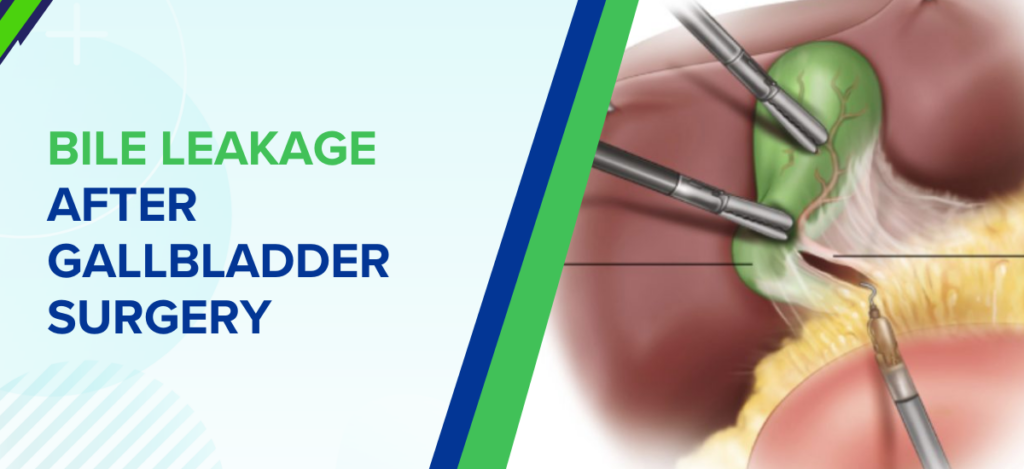
Gallbladder surgery, also known as cholecystectomy, is a widely performed procedure to treat gallstones, inflammation, and related digestive issues. It is generally safe and helps restore normal digestion by removing the diseased gallbladder. However, like any surgical procedure, certain complications may occur during the healing phase.
One such complication is bile leakage after gallbladder surgery, where bile escapes from the bile ducts into the abdominal cavity instead of flowing into the intestine. This can lead to pain, infection, and delayed recovery if not addressed promptly.
Dr. Vipulroy Rathod,a highly respected gastroenterologist in Mumbai, India, highlights, “Early identification of bile leakage is essential to prevent complications and ensure smooth healing.” He further adds, “With advanced endoscopic techniques, most cases can be managed effectively without the need for major surgery.”
Dr. Rathod is widely recognized for his precision in managing complex biliary and pancreatic conditions. With extensive experience in advanced endoscopic procedures such as ERCP and EUS, he focuses on resolving post-surgical complications with minimally invasive techniques.
His approach to managing bile leakage after gallbladder surgery emphasizes early intervention, accurate diagnosis, and targeted treatment, helping patients recover efficiently while minimizing the need for repeat procedures or prolonged hospitalization.
Why does bile leakage happen after gallbladder removal? Let’s explore the common reasons behind this condition.
What Causes Bile Leakage After Gallbladder Surgery?
Bile leakage typically occurs when there is disruption or injury to the bile ducts during or after cholecystectomy. While it is not very common, certain factors can increase the risk.
Common causes include:
- Injury to bile ducts:Accidental damage during surgery can lead to leakage.
- Cystic duct stump leak:Improper sealing of the duct after gallbladder removal may cause bile to escape.
- Accessory bile ducts:Small, unnoticed ducts can leak bile if not identified during surgery.
- Inflammation or infection:Pre-existing inflammation can weaken duct structures.
- Surgical complications:Complex procedures may increase the risk of bile duct disruption.
Understanding these causes helps in early detection and timely bile leakage treatment.
What signs should you watch for after surgery? Let’s discuss the symptoms that may indicate bile leakage.
Common Symptoms of Bile Leakage After Gallbladder Surgery

Symptoms of bile leakage can vary depending on the severity, but early warning signs should never be ignored.
Common symptoms include:
- Persistent abdominal pain, especially in the upper abdomen
- Fever or chills, indicating possible infection
- Nausea and vomiting
- Swelling or bloating in the abdomen
- Jaundice (yellowing of skin and eyes)
- Drainage of bile fluid from surgical wounds (in some cases)
“Recognizing these symptoms early can prevent complications and ensure faster recovery,” states Dr. Vipulroy Rathod.
Now, let’s discuss the typical timeline of bile leakage after surgery.
When Does Bile Leakage Typically Occur After Surgery?
Bile leakage usually develops within the first few days after cholecystectomy, but in some cases, symptoms may appear later.
Typical timeline:
- Within 2–5 days:Most common period for symptoms to begin
- Within 1–2 weeks:Delayed symptoms may occur in some patients
- Rare cases:Late presentation if leakage is mild and gradual
Early follow-up after surgery is important to detect any complications during this critical period.
Let’s explore the diagnostic methods used to identify this condition.
How is Bile Leakage Diagnosed?
Accurate diagnosis is essential for effective bile leakage treatment and involves a combination of clinical evaluation and imaging.
Diagnostic methods include:
- Ultrasound:Helps detect fluid accumulation in the abdomen
- CT scan:Provides detailed imaging of bile leakage and surrounding structures
- HIDA scan:Tracks bile flow to identify leaks
- MRCP (MRI scan):Visualizes bile ducts without invasive procedures
- ERCP (Endoscopic Retrograde Cholangiopancreatography):Both diagnostic and therapeutic
These tests help locate the leak and guide appropriate treatment.
How is bile leakage treated effectively? Let’s explore the treatment approaches available.
Treatment Options for Bile Leakage After Gallbladder Surgery
Treatment depends on the severity and source of the leak, with most cases managed using minimally invasive techniques.
The treatment options include:

Endoscopic Treatment (ERCP)
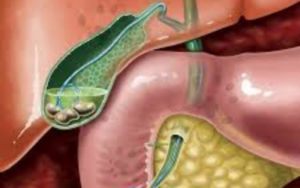
Biliary Stenting
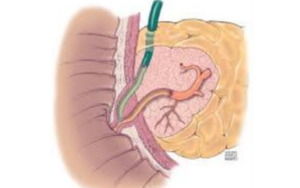
Sphincterotomy
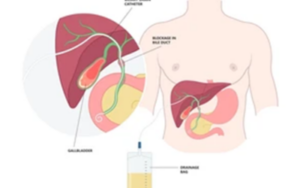
Percutaneous Drainage

Antibiotic Therapy
Surgical Repair (Rare Cases)
Supportive Care and Monitoring
Early and appropriate bile leakage treatment significantly improves recovery and reduces the risk of complications.
What happens if bile leakage is ignored? Let’s understand the potential risks
Complications if Bile Leakage is Left Untreated
Untreated bile leakage can lead to serious complications, making early treatment essential.
Possible complications include:
- Infection or abscess formation
- Peritonitis (inflammation of abdominal lining)
- Sepsis, a severe systemic infection
- Persistent abdominal pain and discomfort
- Delayed recovery and prolonged hospitalization
Timely intervention can prevent these complications and improve outcomes.
What does recovery look like after treatment? Let’s explore the healing process
Recovery and Healing After Bile Leak Treatment
Recovery after bile leakage treatment depends on the severity of the condition and the type of treatment performed.
Recovery highlights:
- Most patients recover well with minimally invasive procedures
- Symptoms improve within a few days after treatment
- Regular follow-up ensures proper healing
- Temporary stents may be removed after recovery
- A gradual return to normal diet and activities is recommended
With expert guidance and the right treatment approach from a seasoned specialist like Dr. Vipulroy Rathod, most patients recover smoothly without long-term complications. Prioritizing follow-ups and being aware of warning signs ensures better outcomes and long-term digestive health.
Frequently Asked Questions
It is uncommon but can occur in a small percentage of patients following surgery.
If untreated, it can lead to infection or complications, but it is manageable with timely care.
Endoscopic treatment like ERCP with stent placement is the most common and effective approach.
Minor leaks may resolve, but medical evaluation is always necessary to avoid complications.
No, most cases are treated with minimally invasive endoscopic techniques.
Reference links:
- https://www.healthline.com/health/leaking-bile-duct
- https://www.jrmds.in/articles/biliary-leakage-following-cholecystectomy-a-prospective-population-study-84919.html
Disclaimer: The information shared in this content is for educational purposes and not for promotional use.
