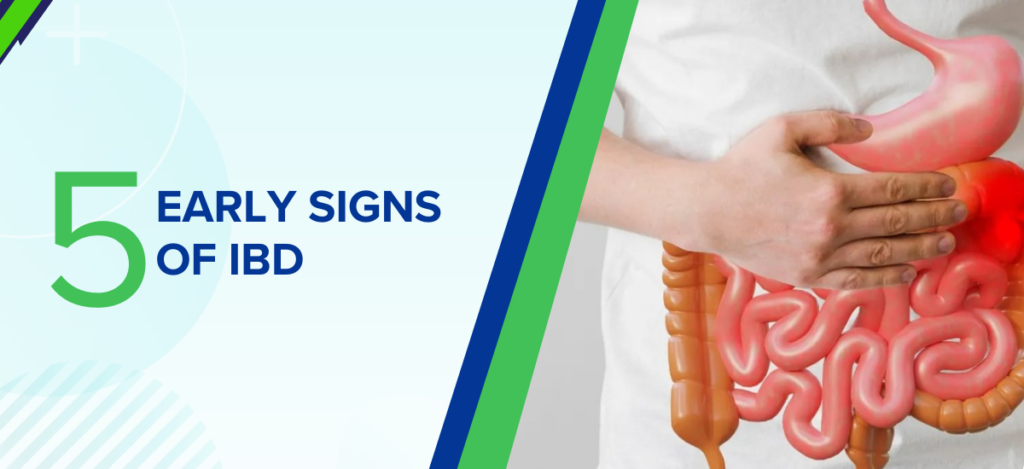
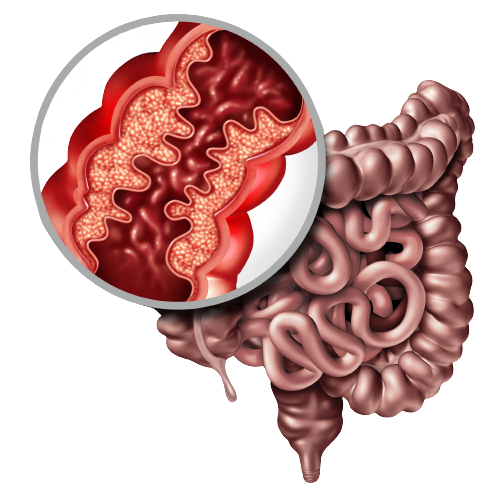
Inflammatory bowel disease (IBD) is a long-term condition that affects the digestive tract and can quietly progress if ignored in its early stages. Many patients confuse early symptoms with common digestive issues, which delays diagnosis and treatment. However, identifying the early signs of IBD can help prevent complications and improve long-term gut health.
Dr. Vipulroy Rathod, a leading gastroenterologist in Mumbai, shares the top 5 early warning signs of IBD that should not be ignored. Early detection and timely IBD treatment in Mumbai can significantly improve outcomes and quality of life.
What is IBD and Why Early Detection Matters?
IBD mainly includes conditions like Crohn’s disease and Ulcerative colitis, both of which cause chronic inflammation in the digestive tract.
Unlike occasional digestive discomfort, IBD symptoms tend to persist and gradually worsen. Early diagnosis helps:
- Prevent complications like strictures and fistulas
- Reduce long-term intestinal damage
- Improve response to advanced gastroenterology treatment in Mumbai

Sign #1: Persistent Diarrhea
Having frequent loose stools for several weeks is a typical early symptom of IBD. This type of diarrhea, unlike brief infections, does not disappear by itself and can be linked to urgency. Failure to treat may cause the body to dry out and disrupt the balance of electrolytes. Persistent diarrhea is an indication of intestinal inflammation which is why it is important to get checked by a doctor.

Sign #2: Abdominal Pain and Cramping
Chronic inflammation in the intestines can lead to recurring abdominal pain. This pain is usually cramp-like and may worsen after eating or during bowel movements. In some cases, the pain may vary in intensity and location, making it easy to mistake for common digestive issues. However, recurring patterns should not be ignored.

Sign #3: Blood in Stool
The presence of blood in stool is a key warning sign that should never be ignored. It may appear bright red or darker depending on the affected area of the intestine. This symptom indicates active inflammation or ulceration in the digestive tract and requires prompt medical investigation to identify the underlying cause.

Sign #4: Unexplained Weight Loss
IBD hampers the body's capacity to uptake nutrients, which results in unplanned weight loss. Gut inflammation can limit the absorption of nutrients even if your nutrition has stayed the same. Along with slow loss of weight, you might also have reduced appetite and deficiency in certain nutrients, which would collectively affect your health in a negative way.

Sign #5: Fatigue and Weakness
Persistent fatigue is a common but overlooked symptom of IBD. Chronic inflammation and nutrient deficiencies can leave you feeling constantly tired. In many cases, fatigue is linked to anemia or poor nutrient absorption, which reduces energy levels and affects daily functioning.
When Should You See a Gastroenterologist?
If you experience digestive symptoms that persist for more than two to three weeks, it is important to seek medical attention rather than ignoring them. Signs such as ongoing diarrhea, blood in stool, unexplained weight loss, or continuous abdominal pain may indicate an underlying inflammatory condition like IBD. Consulting a gastroenterologist in Mumbai at an early stage helps in identifying the exact cause of symptoms and prevents complications. Timely evaluation also ensures that you receive the right treatment before the condition progresses further.
How is IBD Diagnosed?
Diagnosing inflammatory bowel disease (IBD) usually requires a combination of clinical examination and the use of diagnostic tools. A doctor may recommend a colonoscopy as it is the most effective method to visually examine the intestines and identify the areas that are inflamed or damaged. Often, biopsy taken during the colonoscopy is considered the definitive way of confirming the diagnosis. In addition, blood tests are performed to check for anemia or infection, while stool tests are used to rule out other intestinal diseases. In the end, the integration of these diagnostic techniques provides a full understanding of the disease and helps to determine the right IBD treatment in Mumbai.
Treatment Options for IBD
Treatment for inflammatory bowel disease (IBD) is aimed at controlling inflammation, relieving symptoms, and maintaining long-term remission. The approach is highly individualized and depends on the severity, type, and progression of the disease.
Treatment focuses on controlling inflammation and improving quality of life. Common options include:
Anti-inflammatory medications
Immunosuppressants
Biologic therapies
Dietary and lifestyle modifications
Regular monitoring and follow-ups
With expert care, many patients achieve long-term remission through personalized gastroenterology treatment in Mumbai.
Frequently Asked Questions
Disclaimer: The information shared in this content is for educational purposes and not for promotional use.