 Skip to content
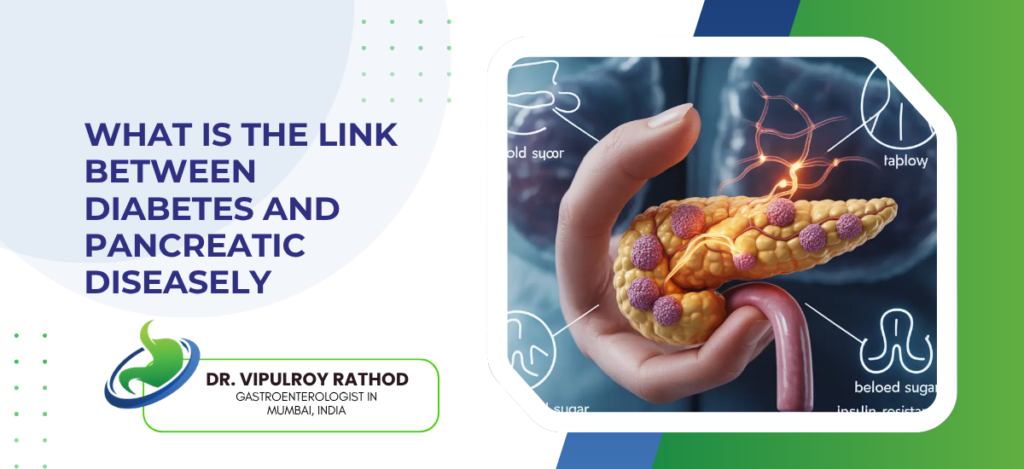
Diabetes and pancreatic disease run in both directions. Pancreas produces insulin and damage it through chronic pancreatitis or a tumour and diabetes follows directly. But it works the other way too: long-standing Type 2 diabetes roughly doubles pancreatic cancer risk. New onset diabetes after 50 with no obvious metabolic cause is a recognised early warning of underlying pancreatic pathology. Gets missed constantly.
According to Dr. Vipulroy Rathod, an experienced Gastroenterologist in Mumbai, “The diabetes-pancreas connection is one of the most clinically underappreciated relationships in gastroenterology, where patients get managed for blood sugar for months while the underlying pancreatic pathology driving it goes completely uninvestigated.”
How Does Pancreatic Disease Cause Diabetes?
Pancreas does two jobs. Digestion and blood sugar regulation. Damage one and the other doesn’t escape.
- Chronic Pancreatitis Destroys Beta Cells: Repeated inflammation progressively wipes out insulin-producing cells and by the time pancreatogenic diabetes shows up the pancreatic damage has been building for years without anyone joining the dots.
- Tumours Disrupt Insulin Directly: Cancer in the pancreatic head or body interferes with insulin-producing tissue causing sudden glucose dysregulation, and new onset diabetes in a non-obese 55-year-old with no family history is not just an endocrine problem but needs proper pancreatic investigation.
- Surgery Removes What’s Left: Partial or total pancreatectomy for cancer or severe pancreatitis removes insulin-producing tissue directly, post-surgical diabetes is almost inevitable, and management is completely different from standard Type 2.
- Cysts Press on Surrounding Tissue: Large cysts impairing both exocrine and endocrine function at once, glucose abnormalities alongside a known cyst, that combination should always prompt reassessment of the cyst itself not just tighter diabetic control.
Not one-directional. Specialist in pancreatitis treatment assesses both sides rather than treating blood sugar in isolation.
How Does Diabetes Increase Pancreatic Disease Risk?
Long-standing diabetes doesn’t just follow pancreatic disease. It actively creates conditions that drive it.
- Persistent Hyperglycaemia Inflames Pancreatic Tissue: Chronically elevated blood sugar drives low-grade systemic inflammation that damages the pancreas over time, and this is a real mechanism not a theoretical association, which is why long-term Type 2 diabetics carry meaningfully elevated pancreatic cancer risk.
- High Insulin Levels Feed Abnormal Cells: Insulin resistance means high circulating insulin which acts as a growth signal for abnormal pancreatic cells, and the association across studies is consistent enough to take seriously even where the full mechanism isn’t completely mapped yet.
- New Onset Diabetes After 50, No Obvious Cause: That presentation needs pancreatic imaging before anyone starts metformin, not after six months of managed blood sugar but before, because this is a recognised early signal of pancreatic malignancy that keeps getting filed away as routine endocrine disease.
- 10 Plus Years of Poor Control: Risk accumulates and patients with a decade or more of poorly managed diabetes sit in a genuinely different risk category that most are never told about, longer duration and worse control means higher cumulative cellular damage to pancreatic tissue.
Managing diabetes without ever checking the pancreas is a gap worth closing. Read more on therapeutic endoscopy to understand what proper investigation looks like.
Why Choose Dr. Vipulroy Rathod
Dr. Vipulroy Rathod brings 30 years of experience in gastroenterology and has been practising EUS since 1998, with training experience for physicians from 35 countries. At Fortis Hospital Mulund, he regularly manages the overlap between diabetes and pancreatic disease, ensuring both aspects are investigated thoroughly rather than simply referring blood sugar concerns elsewhere. Many patients live with years of managed diabetes without ever having their pancreas properly evaluated, and that diagnostic gap is addressed here.
Start Your Treatment Journey Today
Frequently Asked Questions
Yes, chronic pancreatitis and pancreatic cancer both damage insulin-producing cells and directly cause diabetes.
It can be. New diabetes without obvious metabolic cause after 50 warrants pancreatic investigation before standalone management.
In some cases yes, particularly when the underlying pancreatic cause is identified and treated early before permanent cell damage occurs.
Pancreatogenic diabetes involves both insulin deficiency and impaired glucagon response, making it harder to manage than standard Type 2.
Reference links-
- Diabetes and Pancreatic Cancer Risk — American College of Gastroenterology
- Pancreatogenic Diabetes — World Gastroenterology Organisation
