Dr. Vipulroy Rathod

Blog

Your blog category

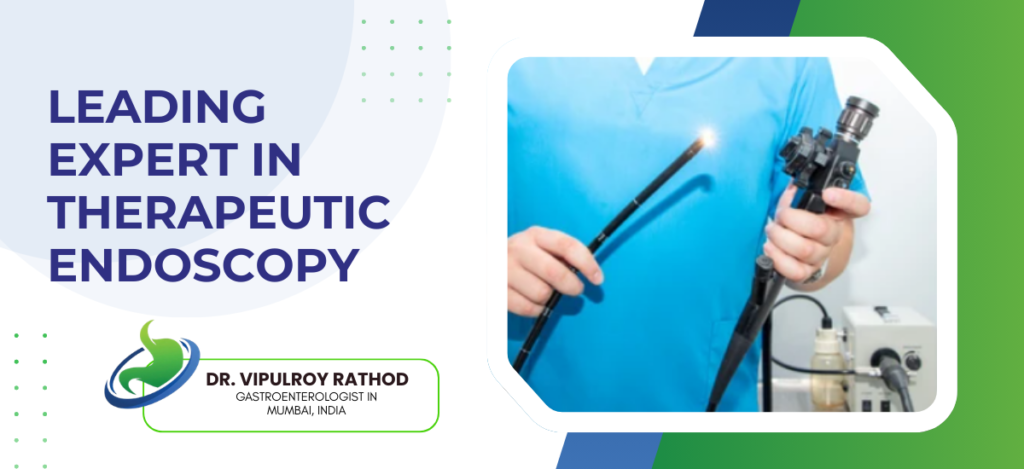
Leading Expert in Therapeutic Endoscopy

Therapeutic endoscopy goes beyond diagnosis. It removes tumours, drains collections, stops bleeding, opens blocked ducts, and cuts overactive muscles all through a flexible scope without a single external incision. The procedures are technically demanding and the outcomes depend directly on who is performing them. According to Dr. VipulRoy, “Advanced Endoscopic Procedures for Complex GI Conditions have replaced surgery for a large number of patients over the last two decades. But these procedures are only as good as the person performing them. Volume, judgment, and knowing when not to proceed matter as much as technical skill.”   What Therapeutic Endoscopy Actually Does? Most people think endoscopy is just a camera on a long tube. It’s not. Therapeutic endoscopy is live treatment happening inside your body in real time. No scalpel. No stitches after. Polyps, early tumours, and active bleeding sites get treated right during the same procedure. No second visit, no hospital admission, no surgical cut on your body whatsoever. Endoscopic Submucosal Dissection removes early GI tumours in one precise clean piece. It’s technically demanding and very few gastroenterologists in India do it consistently well. Third space endoscopy works beneath your gut lining entirely. One of the most complex things in this field. Dr. Rathod was doing it before most Indian hospitals even listed it as a service. Balloon dilation opens narrowed sections of your digestive tract without surgery. For patients who’ve struggled with strictures for years, this changes daily life completely. Bleeding control through APC and endoscopic haemostasis stops serious GI bleeds safely. No operating room needed. Just targeted treatment exactly where your body needs it most. Know more about how EUS works for your specific situation at Gastroenterology specialist in mumbai. Why His Experience in This Field Simply Stands Apart? Expertise here isn’t just about years. It’s about the volume of genuinely difficult cases you’ve handled, figured out, and got right. That number matters more than anything else for your outcome. Over 30 years of dedicated endoscopy practice means he’s seen presentations that most Mumbai gastroenterologists haven’t encountered more than a handful of times their entire career. His FASGE fellowship from ASGE places him among the world’s top recognised endoscopists. That’s not a local title. It’s global validation of exactly how he works every single day. He’s trained gastroenterologists from 35 countries in advanced therapeutic techniques. Teaching complex endoscopy worldwide keeps your own clinical standards sharp. It has to. Hybrid Endoscopy and EMR procedures aren’t widely available in Mumbai at this standard. You’re not just picking whoever’s nearby. You’re choosing the doctor whose skills actually match your condition. And honestly? Most patients arrive after being told surgery’s their only option. He finds a therapeutic endoscopy path more often than anyone expects. Thirty years builds that instinct. For more on the recognition behind his work, read our previous blog on Who Is the First Indian to Receive the FASGE Fellowship. Why Choose Dr. VipulRoy Rathod for Therapeutic Endoscopy Treatment? Dr. Vipulroy Rathod doesn’t just perform therapeutic endoscopy. He’s spent three decades shaping how it’s taught across Asia. Patients don’t travel from across India and abroad because he’s convenient. They come because his precision in complex endoscopic cases can’t genuinely be matched locally. Don’t wait until surgery becomes your only remaining option. The earlier you reach him, the more therapeutic endoscopy can do for you. Think you could benefit from specialized care? Reach out today to explore your treatment options. Book Appointment Call now Frequently Asked Questions What’s the actual difference between diagnostic and therapeutic endoscopy? Diagnostic endoscopy finds problems. Therapeutic endoscopy treats them right there during the same procedure without any surgery. How long does recovery take after therapeutic endoscopy?  Most patients recover within a day or two. No external incisions means far quicker recovery than any surgical alternative. Can therapeutic endoscopy work if standard endoscopy already failed? Yes. Advanced therapeutic procedures go deeper in both detection and treatment than standard endoscopy can reach. Is it worth travelling specifically to Mumbai for this?  For complex GI conditions absolutely. The difference between an experienced specialist and an average one shows directly in your results. References links Therapeutic Endoscopy Overview — National Library of Medicine ESD and Advanced Endoscopic Resection — American Society for Gastrointestinal Endoscopy Endoscopic Treatment Guidelines — American College of Gastroenterology Advanced Endoscopy in GI Disease — World Gastroenterology Organisation

Leading Expert in Therapeutic Endoscopy Read More »
First Indian to Get FASGE Fellowship

Dr. Vipulroy Rathod. In 2010 he became the first Indian endoscopic surgeon to be awarded the Fellowship of the American Society for Gastrointestinal Endoscopy FASGE. Not the first to apply. The first to receive it. That distinction came from over a decade of work that put him on the radar of the most recognised gastrointestinal endoscopy body in the world. According to Dr. VipulRoy, “Endoscopic Ultrasound was still new territory in South Asia when I started doing it in 1998. Building that volume of work the procedures, the training, the research over more than a decade is what the FASGE recognised. It was never about the award. It was about what the work demanded.” What the FASGE Fellowship Actually Means for You? Most people haven’t heard of FASGE. But here’s why it should matter to you before you choose your gastroenterologist. It’s not a participation trophy. It’s one of the most selective honours in global endoscopy. FASGE is awarded only to endoscopists who’ve genuinely moved the field forward internationally. Not locally. Not regionally. Globally across years of sustained, recognised contribution. Dr. Vipulroy Rathod trained doctors from over 35 countries and delivered live EUS demonstrations across 50 nations. That’s the kind of track record ASGE looks at before granting this fellowship to anyone. His diagnostic and interventional EUS work since 1998 didn’t just build his own reputation. It placed Indian endoscopy on the world map when nobody else was doing that at this level. Being the first Indian ever to receive it means the world’s top gastroenterology body looked at everything he’d built and said nobody in India has done this before. That’s genuinely rare. Most patients never ask about their doctor’s international credentials. But when your condition is serious and the procedure is complex, those credentials are exactly what separates a good outcome from a missed one. Know more about how EUS works for your specific situation at Gastroenterology specialist in mumbai. Why This Recognition Changes What You Receive as a Patient? A fellowship like FASGE isn’t just something that looks good on a wall. It directly shapes how your doctor thinks, diagnoses, and treats you. Here’s what it actually means for your care. Every procedure he performs follows global best practices, not just what’s commonly done in Indian hospitals. You’re getting international-standard endoscopy right here in Mumbai. Complex cases don’t intimidate a doctor trained at this level. Because he’s seen rare presentations, unusual findings, and difficult interventions across thousands of real patients worldwide. His teaching network spans 50 countries. That means his diagnostic approach draws from the world’s top endoscopy minds, not just one city’s clinical habits. Patients with pancreatic disease, biliary problems, or early GI tumours benefit most here. These conditions need specialist-level EUS accuracy that most gastroenterologists simply can’t offer you. Don’t wait until things get complicated. Early consultation with a FASGE-level specialist changes your treatment path faster and more definitively than you’d expect. For more on what EUS detects and why early diagnosis matters, read our previous blog on Who Is the Most Experienced EUS Doctor in India. Why Choose Dr. VipulRoy Rathod for Advanced Endoscopy Treatment? Dr. Vipulroy Rathod is India’s first and only FASGE fellow. But beyond the title, it’s 25 years of showing up for some of the most complex GI cases in the country and getting them right. Patients don’t travel from across India and abroad for convenience. They come because his diagnostic accuracy is on a completely different level. And honestly? That difference shows up in your results. Think you could benefit from specialized care? Reach out today to explore your treatment options. Book Appointment Call now Frequently Asked Questions What does FASGE actually stand for? Fellow of the American Society for Gastrointestinal Endoscopy, awarded to endoscopists with exceptional global contributions. Has any other Indian doctor received FASGE after Dr. Rathod? Dr. Vipulroy Rathod remains the first Indian to have earned this distinction in ASGE’s history.   Does FASGE mean better treatment outcomes for patients? It reflects a globally validated level of expertise that directly impacts diagnostic accuracy and procedural quality for you. Can I consult Dr. Rathod if I’m not from Mumbai? Absolutely. Patients travel from across India and internationally. His team handles outstation appointments smoothly.   References links ASGE Fellowship Recognition — American Society for Gastrointestinal Endoscopy Endoscopic Ultrasound Clinical Overview — National Library of Medicine Global Endoscopy Standards — World Gastroenterology Organisation

First Indian to Get FASGE Fellowship Read More »

Most Experienced EUS Doctor in India

Dr. Vipulroy Rathod. He started performing Endoscopic Ultrasound in 1998 before most centres in India had the equipment. Over 27 years and 20,000 plus EUS procedures later, he remains one of the highest-volume EUS practitioners in South Asia. That’s not a marketing claim. That’s what the numbers look like when someone spends three decades doing one thing at a serious level. According to Dr. VipulRoy, “Endoscopic Ultrasound rewards repetition more than almost any other endoscopic procedure. The pancreas, the bile duct, the lymph nodes reading those images accurately under pressure takes thousands of cases. You can’t shortcut that timeline.” Why EUS Results Depend Entirely on the Doctor EUS results aren’t determined by the machine. They’re determined entirely by the doctor performing it. The same equipment in different hands produces completely different diagnostic outcomes for you. EUS combines endoscopy with internal ultrasound imaging, letting the doctor see your pancreas, bile duct, and gut wall layers that no external scan can clearly show you at all. Every image gets read live while the scope is still inside your body. There’s no radiologist reviewing it afterward. What the doctor sees in that exact moment is your diagnosis. Needle placement during EUS-guided biopsy depends entirely on the operator’s precision. A few millimetres off means an inconclusive result, more procedures, and more stress for you. Pattern recognition built from thousands of real cases is what separates a doctor who finds a small pancreatic lesion from one who genuinely misses it. Therapeutic EUS needs an interventional skill level that only comes from years of high-volume, dedicated practice. You simply can’t shortcut your way to that. Know more about how EUS works for your specific situation at Gastroenterology specialist in mumbai. Conditions Where EUS Makes the Real Difference EUS isn’t limited to one condition. It covers serious digestive and hepatobiliary problems that standard imaging consistently fails to resolve on its own. And honestly, most patients are genuinely surprised by how much it finds. Pancreatic masses and early tumours are detected with a clarity that CT scans routinely miss, giving you clear answers when every other test has already come back inconclusive. Bile duct stones invisible on regular ultrasound are found and properly assessed through EUS, saving you from unnecessary and avoidable surgical procedures down the line. Cancer staging for stomach, oesophageal, and rectal tumours through EUS gives your oncologist the precise depth and nodal information that shapes your entire treatment plan correctly. Submucosal gut tumours sitting beneath the lining that standard endoscopy can’t fully evaluate are mapped layer by layer through EUS with real diagnostic accuracy. Chronic pancreatitis changes, early pancreatic cysts, and mediastinal lymph nodes are assessed reliably here where other investigations have already failed you repeatedly. For more on what EUS can detect early, read our blog on Pancreatic Cancer Treatment in Mumbai Why Choose Dr. Vipul Roy Rathod for EUS Treatment? Dr. Vipulroy Rathod has led EUS practice in India since 1998. That’s over 25 years of focused, high-volume work. He’s trained gastroenterologists from 35 countries, delivered live EUS demonstrations across 50 nations, and built the largest free endoscopy training video library in the world. Ranked No. 1 in gastroenterology by the Times Health Survey two years running. But here’s what actually matters to you right now. Most patients wait far too long before reaching someone at this level. By then the condition has progressed, the treatment gets harder, and the early intervention window quietly closes. Don’t let that happen to you. Frequently Asked Questions Since when has Dr. Vipulroy Rathod been performing EUS? He’s performed EUS since 1998, making him one of India’s longest-running dedicated EUS specialists. Can EUS give a cancer diagnosis without surgery?  Yes. EUS-guided biopsy gets tissue from deep tumours with zero surgical incision needed. Is EUS safe for older or medically complex patients?  It’s minimally invasive, done under sedation, and generally very well-tolerated across most patient groups. Can patients from outside Mumbai consult Dr. Rathod for EUS? Absolutely. His team actively helps outstation and international patients plan their visits smoothly. References linksEndoscopic Ultrasound Overview – National Library of MedicineEUS in Pancreatic Disease – American Society for Gastrointestinal Endoscopy (ASGE)

Most Experienced EUS Doctor in India Read More »

Heartburn After Every Meal

Heartburn, or acid reflux, is a common issue that affects many people, often occurring after meals. It can make eating feel like a painful experience, leaving individuals feeling uncomfortable and frustrated. But what causes heartburn after every meal, and how can it be treated? Dr. Vipulroy Rathod, explains what you need to know about this condition and offers solutions to help you manage it. Dr. Vipulroy Rathod, a leading gastroenterologist in Mumbai, shares, “Heartburn is typically caused by acid from the stomach flowing back into the esophagus. Understanding the triggers and getting the right treatment can help alleviate the discomfort and prevent long-term complications.” Let’s take a closer look at the causes of heartburn and how you can manage it. What Exactly Is Heartburn and How Does It Occur? Heartburn occurs when stomach acid or bile irritates the lining of your esophagus. This irritation causes a burning sensation in the chest or throat, especially after eating. While it’s common to experience occasional heartburn, frequent occurrences may indicate gastroesophageal reflux disease (GERD), a more serious condition. Key Triggers of Heartburn After Meals Several factors contribute to heartburn, and understanding the triggers can help you avoid them: Overeating Eating large meals can overwhelm the stomach, causing acid to flow back into the esophagus. Spicy, Fatty, or Acidic Foods Certain foods, like citrus, tomatoes, chocolate, spicy foods, and fatty meals, can trigger heartburn. Laying Down After Eating When you lie down, the horizontal position makes it easier for stomach acid to travel back into the esophagus. Obesity Excess weight can put pressure on the abdomen, pushing stomach acid into the esophagus. Hiatal Hernia This condition, where part of the stomach pushes up into the chest, can cause acid reflux and heartburn. Common Signs of Heartburn A sharp discomfort in the chest often signals heartburn. Yet some people also notice a sour taste in their mouth. Sometimes the pain rises toward the throat. Not everyone feels it the same way. A few might have trouble swallowing. Others find that lying down makes things worse. Bending forward can bring on a flare, up too Regurgitation of food or sour liquid Difficulty swallowing A feeling of a lump in the throat Chronic cough or sore throat Hoarseness or bad breath Experiencing frequent heartburn after meals? It’s important to seek advice from an expert to manage the condition before it leads to further complications. Book Appointment How Is Heartburn Diagnosed? To diagnose heartburn and GERD, doctors may perform several tests, including: Physical Examination: The doctor will check for signs of reflux and examine the esophagus for damage. Endoscopy: A procedure where a small camera is used to examine the lining of the esophagus and stomach. pH Monitoring: This test measures the amount of acid in the esophagus over a 24-hour period. Barium Swallow X-ray: This can show if there’s any damage to the esophagus or a hiatal hernia. Dr. Vipulroy Rathod, a renowned gastroenterologist in Mumbai, uses these diagnostic tools to accurately assess and diagnose heartburn and GERD. His expertise ensures that each patient receives the most effective treatment plan based on their specific condition. Effective Treatment Options for Managing Heartburn There are several ways to manage and treat heartburn: Lifestyle Changes: Simple changes like eating smaller meals, avoiding trigger foods, and not lying down immediately after eating can help. Antacids: Over-the-counter medications like antacids can neutralize stomach acid and provide quick relief. H2-Receptor Antagonists: These medications reduce acid production in the stomach, helping to prevent heartburn. Proton Pump Inhibitors (PPIs): PPIs are stronger medications that block acid production, providing longer-term relief. Surgery: In severe cases, surgery may be required to fix the issue, especially if lifestyle changes and medications don’t work. Tips to Prevent Heartburn from Ruining Your Meals While heartburn can’t always be avoided, there are several ways to reduce the frequency and intensity: ●       Lifestyle Changes: Eating small portions, avoiding food triggers and not lying down after food consumption can help. ●       Antacids: The over-the-counter drugs such as antacids can be neutralized in the stomach to offer immediate relief. ●       H2-Receptor Antagonists: These are the medications that decrease the level of acid production in the stomach that prevents heartburn. ●       Proton Pump Inhibitors (PPIs): PPIs are more potent types of medicines, that is, they inhibit the production of acid and provide relief in the long run. ●       Surgery: Surgery may be necessary to correct the problem in extreme cases when lifestyle adjustments and medications fail. Frequently Asked Questions 1. What causes heartburn after every meal? Full stomachs sometimes spark heartburn, especially when meals include rich spices or greasy dishes. Lying back too soon after eating turns up the heat. Extra body weight adds pressure below the chest. A hidden issue like a hiatal hernia might also stir trouble. Meals heavy in fat slow digestion, giving acid more chance to rise. 2. How is heartburn diagnosed? A visit to the doctor might lead to spotting heartburn during a checkup. Sometimes an inner look at the gut happens using a scope. Measuring acid levels gives clues about what is going on inside. Another way uses special imaging after drinking chalky liquid. Each method shows different pieces of the puzzle. 3. Can heartburn be prevented? Most people find relief when they skip problem foods, eat less at each meal, stay on their feet after dinner, also keep weight in check. 4. What are the treatment options for heartburn? Lifestyle shifts might help, yet some reach for antacids when symptoms strike. H2 blockers enter the picture if relief stalls. PPIs often follow, stepping in where others fall short. Surgery appears only once things escalate beyond control. 5. When should I see a doctor for heartburn? When heartburn shows up often, more than two times each week, or refuses to ease even with medicine, it might be serious. Trouble going down? Food sticking when you swallow could mean somethings wrong. Pain behind your breastbone isnt always normal either. That kind of discomfort can signal deeper issues needing attention.

Heartburn After Every Meal Read More »

Bile Duct Stones After Gallbladder Removal

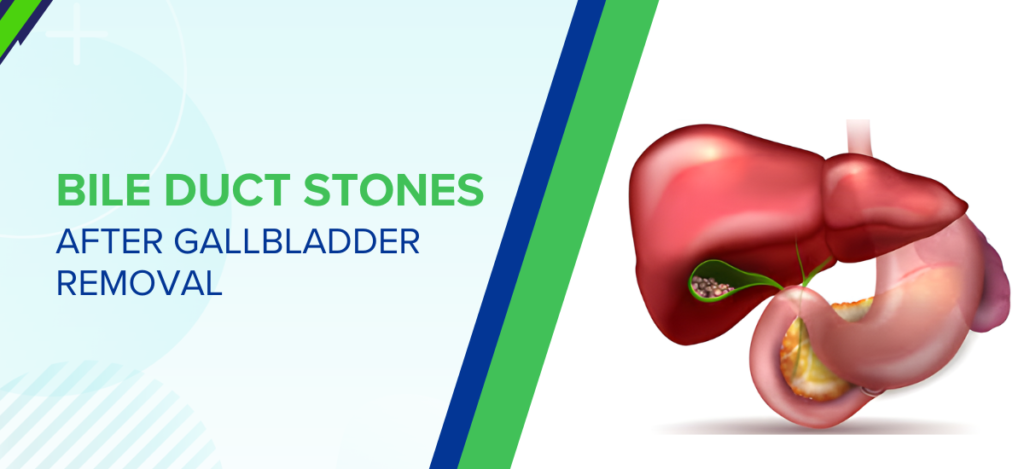
Gallbladder removal, or cholecystectomy, is a common surgical procedure to treat gallstones and other gallbladder-related issues. Usually this surgery makes people feel better. Sometimes people can have some issues after the surgery. For example they might get bile duct stones after gallbladder removal. This can happen when stones that were already in the gallbladder move to bile ducts. It can also happen when new stones form in the bile ducts. Dr. Vipulroy Rathod, a leading gastroenterologist in Mumbai, explains, “While bile duct stones after gallbladder removal are not common, early detection and timely intervention are crucial in preventing complications such as bile duct blockage or infections.” With over three decades of experience, Dr. Rathod provides expert care for patients experiencing complications after gallbladder removal. His approach to managing bile duct stones includes advanced diagnostic techniques and personalized treatment plans, ensuring optimal outcomes for his patients. What exactly is AI in GI Endoscopy and how is it integrated into endoscopic procedures? Let’s break it down. What Are Bile Duct Stones? Bile duct stones, also known as choledocholithiasis, are stones that form in the bile ducts, the small tubes that carry bile from the liver and gallbladder to the small intestine. These stones can be made up of cholesterol, bile pigments, or a combination of both. Types of Bile Duct Stones Primary Bile Duct Stones These stones form directly in the bile ducts and are often associated with conditions such asbiliary tract infections or inflammation. Secondary Bile Duct Stones These stones typically originate in the gallbladder and migrate to the bile ducts. They are the most common type found after gallbladder removal. Is it possible to develop bile duct stones after gallbladder removal? Let’s discuss the likelihood. Can You Get Bile Duct Stones After Gallbladder Removal? Yes, you can develop bile duct stones after gallbladder removal. When the gallbladder is removed, bile continues to be produced by the liver and flows directly into the small intestine. In some cases, gallbladder stones or debris may migrate into the bile ducts, where they can cause blockages. Additionally, new stones can form in the bile ducts over time due to changes in bile composition and flow. Some risk factors for developing bile duct stones after gallbladder removal include: Retained Gallstones: Stones left behind in the bile ducts during surgery. Bile Duct Narrowing: Narrowed or abnormal bile ducts can increase the likelihood of stone formation. Obesity or Rapid Weight Loss: Both can alter bile composition, increasing the risk of stone formation. Chronic Bile Duct Inflammation: Conditions like cholangitis can lead to the formation of new stones. What symptoms should you look for if bile duct stones form after gallbladder removal? Let’s explore the signs to watch for and how early detection helps. Symptoms of Bile Duct Stones After Cholecystectomy The symptoms of bile duct stones may be similar to those experienced with gallbladder issues before surgery, including: Pain in the Upper Abdomen Especially after eating, which can be sharp and sudden Jaundice Yellowing of the skin or eyes due to bile duct obstruction Dark Urine and Pale Stools Indicating a blockage in bile flow Nausea and Vomiting Resulting from bile buildup and digestive disruption Fever and Chills If a bile duct infection (cholangitis) occurs, accompanied by stones Experiencing any of these symptoms after gallbladder removal? Seek prompt medical attention to prevent further complications. Book Appointment How are bile duct stones diagnosed? Let’s explore the diagnostic options. Diagnosis of Bile Duct Stones When you have had your gallbladder removed, and bile duct stones are suspected, doctors usually perform a few tests to figure out what is going on. Diagnosing bile duct stones after gallbladder removal typically involves several steps to find out more, about the bile duct stones. 1. Blood Tests To check for signs of infection or liver dysfunction. 2. Ultrasound Often, it is the first imaging test to detect stones or blockages in the bile ducts. 3. CT Scan It is really helpful because it gives detailed images of the bile ducts and the liver. This helps doctors determine whether there are stones or if the bile ducts are narrowed. 4. Magnetic Resonance Cholangiopancreatography or MRCP: A non-invasive imaging technique that provides detailed pictures of the bile ducts. 5. Endoscopic Retrograde Cholangiopancreatography (ERCP): A non-invasive imaging technique that provides detailed pictures of the bile ducts. What are the treatments available for bile duct stones after gallbladder removal? Let’s explore the possibilities. Treatment Options for Bile Duct Stones The size, location, and severity of the blockage determine how bile duct stones are treated: 1. Endoscopic Removal (ERCP) The most common and effective treatment. ERCP reduces the need for surgery by enabling the doctor to remove stones with a flexible tube equipped with a camera. 2. Surgical Excision Surgery may be necessary to remove the stones or to clear the bile ducts if ERCP is ineffective or the stones are too large. 3. Stenting of Bile Ducts A stent may be inserted to maintain the bile duct open and stop blockage if it has narrowed. 4. Drugs Although less frequently used, drugs may occasionally aid in the dissolution of smaller stones. Can bile duct stones be prevented after gallbladder removal? Let’s explore preventive measures. How to Prevent Bile Duct Stones After Gallbladder Removal Although it may not always be possible to prevent bile duct stones, certain lifestyle changes and precautions can reduce the risk: Maintain a Healthy Weight Avoid rapid weight loss or obesity, which can alter bile composition and increase stone formation. Eat a Balanced Diet A diet rich in fiber, low in fats, and balanced in nutrients can help prevent bile issues. Stay Hydrated Drinking plenty of water helps maintain bile flow and reduces the risk of stone formation. Regular Checkups If you’ve had a gallbladder removal, regular follow-up appointments with your doctor can help detect any early signs of bile duct problems. Conclusion Bile duct stones after gallbladder removal can lead to significant discomfort and complications, but with early detection and proper management,

Bile Duct Stones After Gallbladder Removal Read More »

AI in GI Endoscopy: Does It Improve Cancer Detection?

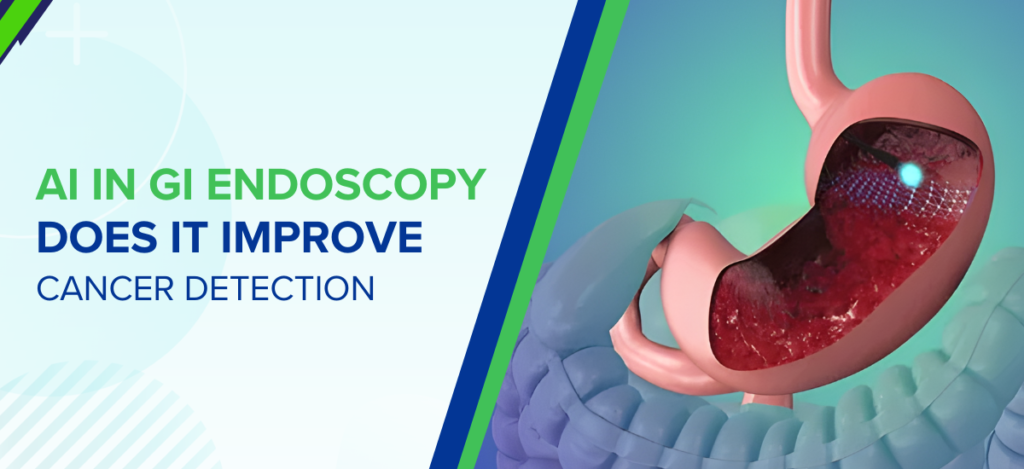
Artificial Intelligence (AI) has made significant advancements across various fields, revolutionizing healthcare with its potential to improve diagnoses and treatment outcomes. In gastroenterology, AI is particularly transforming gastrointestinal (GI) endoscopy by assisting with real-time analysis of endoscopic images, leading to earlier and more accurate detection of diseases, including cancer. AI algorithms are designed to recognize patterns and abnormalities that the human eye may miss, offering a new level of precision in GI endoscopy. AI in GI Endoscopy is particularly promising for detecting GI cancers, including esophageal, gastric, and colorectal cancers. Dr. Vipulroy Rathod, a globally acclaimed gastroenterologist in Mumbai, explains, “AI integration in GI endoscopy has the potential to significantly enhance cancer detection, reducing human error and improving patient outcomes.” His expertise in advanced endoscopic techniques ensures that AI is used effectively to detect and treat GI cancers. What exactly is AI in GI Endoscopy and how is it integrated into endoscopic procedures? Let’s break it down. What Is AI in GI Endoscopy? AI in GI endoscopy technology uses machine learning algorithms and deep learning models to analyze endoscopic images in real time. These AI systems are trained to recognize patterns and anomalies in gastrointestinal tissues to identify various growths, polyps, or early signs of cancer. The AI software used to analyze images from the endoscopic camera provides instant feedback to the gastroenterologist. How AI Is Integrated Into Endoscopic Procedures: Real-Time Image Analysis AI algorithms process the endoscopic images captured during the procedure and highlight potential areas of concern, helping doctors focus on abnormal findings. Pattern Recognition The AI system is trained on a vast database of images from various sources to identify common and rare abnormalities, thereby helping detect cancer or precancerous lesions. Automated Reporting After the procedure, AI can automatically generate reports, summarizing the findings and assisting in making more informed treatment decisions. Now, let’s discuss the importance of early diagnosis of GI cancers. Why Early Cancer Detection Matters Early detection is key to successful cancer treatment. Schedule a screening today and take a proactive step in safeguarding your health with advanced endoscopic techniques. Book Appointment How exactly does AI help in detecting cancers during GI endoscopy? Let’s break it down. How AI Assists in Detecting GI Cancers AI plays a pivotal role in improving the accuracy and efficiency of cancer detection during GI endoscopy. Here’s how AI enhances the detection process: Identifying Small Lesions AI algorithms can detect small or subtle lesions that may be overlooked by human eyes, particularly during routine screening procedures. Precancerous Lesions AI can distinguish between benign growths and precancerous lesions, allowing for earlier intervention. Consistent Performance AI maintains a high level of consistency in analyzing images, since there is less scope for variations that may occur, as perceived by different operators or procedures. Assisting in Biopsy Guidance AI can assist endoscopists in guiding biopsy tools to the precise location of suspicious areas for further examination. What are the key benefits of integrating AI into GI endoscopy? Let’s explore the advantages. Key Benefits of Using AI in GI Endoscopy Improved Accuracy AI helps identify abnormalities more accurately, reducing the chances of missed diagnoses. Early Detection By identifying early signs of cancer and precancerous states, AI can enable quicker intervention. Faster Results With real-time analysis, AI provides immediate feedback, enabling rapid diagnosis of the problem. Enhanced Efficiency AI can automate routine tasks such as image review, freeing up the gastroenterologist’s time to focus on patient care. Consistency Consistent results can be obtained through AI systems, reducing the probability of human error and variability. Current Limitations and Challenges of AI in GI Endoscopy While AI in GI endoscopy holds promise, challenges also exist. 1. Data Quality AI depends on large databases for training and the kind of datasets it uses may affect the quality of its performance. 2. Integration with Existing Systems Integrating AI tools into existing endoscopic systems can be a challenging task from the technical viewpoint. 3. Dependence on Expert Supervision AI cannot replace the gastroenterologist’s expertise and should be used as a complementary tool. 4. Limited Generalization This may be because AI systems trained on a single dataset may not generalize well to other datasets, and there may be discrepancies in the diagnosis across populations. 5. Regulatory and Ethical Issues This also creates several issues with accountability, transparency and regulation in terms of AI’s use in medical procedures. What does the clinical evidence say about the accuracy of AI endoscopy cancer detection? Clinical Evidence and Accuracy of AI-Assisted Cancer Detection Studies have shown that AI can significantly improve the accuracy of GI cancer detection. In trials, AI-assisted endoscopy demonstrated higher sensitivity and specificity in detecting early-stage cancers compared to traditional methods. AI algorithms have been shown to correctly identify abnormalities with a level of accuracy comparable to that of highly experienced endoscopists. In some cases, AI has outperformed human operators in detecting subtle lesions or precancerous changes. What does the future hold for AI in GI endoscopy? Let’s look ahead. What does the future hold for AI in GI endoscopy? Let’s look ahead. Future Scope of AI in GI Endoscopy The future of using AI in GI endoscopy looks incredibly promising. With continued progress in the development of AI, we may expect: Integration of AI with Other Technologies AI will likely be combined with other technologies, such as robotics and augmented reality, to enable even more precise procedures. Broader Application AI could potentially extend to identify more GI disorders beyond cancer, improving overall diagnostic capabilities. Improved Learning Algorithms Ongoing developments in machine learning will enhance AI’s ability to detect more complex abnormalities and adapt to new data sources. Wider Adoption With continued development and clinical validation, AI tools will become more accessible and widely used in clinical settings. Conclusion AI in GI endoscopy is transforming cancer detection by improving accuracy, enabling earlier detection, and improving patient outcomes. As technology advances, it will continue to play a pivotal role in diagnosing and treating GI cancers. Dr. Vipulroy Rathod’s expertise in using AI-enhanced

AI in GI Endoscopy: Does It Improve Cancer Detection? Read More »

5 Pediatric GI Disorders Every Parent Should Know

A heartfelt testimonial from a grateful patient, showcasing the compassionate care and dedication provided Dr. Vipulroy Rathod in managing pediatric GI disorders. Problems with digestion are quite prevalent but not well understood in children. Most parents have observed that their children experience regular episodes of abdominal pain, vomiting, or loss of appetite but simply wait for it to pass. However, some gastrointestinal problems can be a sign of underlying Pediatric GI problems that require medical attention. For example, Gastroesophageal Reflux Disease (GERD) is known to affect more than 25% of infants under the age of 18 months, as it causes symptoms such as reflux and chest discomfort. Likewise, functional gastrointestinal disorders are known to affect up to 25% of children. According to Dr. Vipulroy Rathod, an internationally recognized  gastroenterologist in Mumbai, “Timely diagnosis and appropriate management can significantly improve outcomes for children facing gastrointestinal challenges.” 1. Gastroesophageal Reflux Disease (GERD) Gastroesophageal reflux disease is one of the most common Pediatric GI disorders, especially in infants and young children. While mild reflux is normal in babies, GERD occurs when stomach acid repeatedly flows back into the esophagus, causing irritation and discomfort.Common GI symptoms in children with GERD Frequent vomiting or regurgitation Irritability during feeding Poor weight gain Refusal to eat Chronic cough or wheezing Chest discomfort in older children Persistent reflux can affect sleep and feeding patterns and may lead to esophageal inflammation if untreated. Diagnosis typically involves a detailed medical history, growth assessment, and targeted investigations when required. With proper dietary changes and medication, GERD can be effectively managed. 2. Celiac Disease Celiac disease is a type of autoimmune disorder that is activated by gluten intake. It leads to the breakdown of the small intestine lining, which results in nutrient malabsorption. This disease frequently goes undetected as the symptoms are very diverse. Common GI symptoms in children with celiac disease Long, standing diarrhea or constipation Abdominal distension Failure to thrive or weight loss Exhaustion Late onset of puberty Iron deficiency anemia Besides, some kids might show signs of behavioral issues and have trouble learning. Being diagnosed early is essential because celiac disease, if it is not treated, can lead to bone formation and growth issues. The principal therapy has been and still is a gluten, free diet. 3. Inflammatory Bowel Disease (IBD) Inflammatory bowel disease includes Crohn’s disease and ulcerative colitis. Although less common than other digestive issues, IBD is one of the most serious Pediatric GI disorders due to its long-term impact on growth and quality of life. Warning GI symptoms in children with IBD Chronic diarrhea Blood in stools Persistent abdominal pain Weight loss Delayed growth or puberty Fatigue IBD can be a condition that needs long-term medical care. Early diagnosis of IBD can help manage inflammation, prevent complications, and ensure growth. Children with IBD need a treatment plan that includes medication, nutrition, and follow-up. 4. Infectious Gastroenteritis Infectious gastroenteritis is a common cause of acute digestive illness in children. It is usually caused by viruses, bacteria, or parasites and spreads easily through contaminated food, water, or close contact. Common GI symptoms in children with gastroenteritis Sudden onset diarrhea Vomiting Fever Abdominal cramps Dehydration However, most of these cases are self-limiting, but dehydration is a particular risk in young children. Parents should contact a physician if there is no improvement, dehydration occurs, or if there is blood in the stool. Staying hydrated and under the care of a physician is crucial in helping the child recover. 5. Chronic Constipation Chronic constipation is one of the most frequently encountered Pediatric GI disorders and is often underestimated. It occurs when bowel movements become infrequent, hard, or painful over an extended period. Signs and GI symptoms in children with constipation Infrequent bowel movements Hard or painful stools Abdominal pain or bloating Stool withholding behavior Reduced appetite If left alone, chronic constipation can cause leakage of stool and bowel dysfunction. Early treatment with diet modification, behavioral therapy, and medication if necessary can help normalize bowel habits. Warning Signs Parents Should Never Ignore While occasional digestive discomfort is normal, certain symptoms require medical evaluation: Persistent abdominal pain Blood in stool Chronic vomiting or diarrhea Poor weight gain Delayed growth Loss of appetite lasting weeks When GI symptoms in children interfere with daily life or persist beyond two weeks, consulting a pediatric gastroenterologist is strongly advised. According to Dr. Vipulroy Rathod, a prominent gastroenterologist in Mumbai, India – “Accurate diagnosis is the foundation of effective pediatric GI care”. His approach emphasizes evidence-based evaluation, compassionate care, and long-term digestive health rather than symptom suppression alone. Parents are encouraged to seek professional guidance instead of relying on unverified remedies. How Pediatric GI Disorders Are Diagnosed Diagnosis begins with a thorough medical history and growth assessment. Parents may be asked about feeding patterns, bowel habits, dietary triggers, and family history. Depending on findings, investigations may include: Blood tests Stool analysis Ultrasound or imaging Endoscopy or colonoscopy in selected cases Modern pediatric gastroenterology focuses on accuracy while ensuring comfort and safety for children. Treatment and Long-Term Management Dr. Vipulroy Rathod has a holistic and child-centric approach to the management of Pediatric GI problems. He devises treatment plans according to the child’s individual diagnosis, age, and severity of the problem. His treatment plan is child-centric and develops with the child as he/she grows. Dr. Rathod believes that follow-ups and lifestyle changes are essential for the best possible results. Here is a brief description of the treatment options that Dr. Rathod may prescribe: Gastroesophageal Reflux Disease (GERD): Treatment: Use of proton pump inhibitors (PPIs) or H2 blockers to reduce stomach acid. Long-term care: Follow-up appointments, changes in diet, and monitoring for potential complications like esophageal stricture. Celiac Disease: Treatment: Gluten-free diet for life, and possibly vitamin supplements for deficiencies (iron, calcium). Long-term care: Follow-up appointments to monitor growth, vitamin status, and gluten-free diet adherence. Inflammatory Bowel Disease (IBD): Treatment: Anti-inflammatory drugs (corticosteroids, immunosuppressants), biologic agents (infliximab), and nutritional support. Long-term care: Medications for maintenance of remission, regular screenings, and

5 Pediatric GI Disorders Every Parent Should Know Read More »

Scroll to Top
Call Now Button