 Skip to content
Contact Us
Contact Us
Esophageal Cancer Treatment in Mumbai
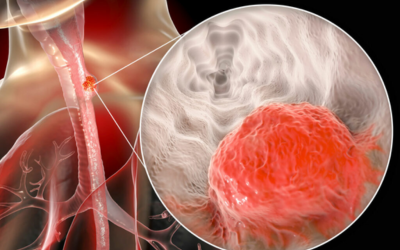
Esophageal cancer, often called food pipe cancer, begins when cells in the esophagus lining grow abnormally. It’s the muscular tube that carries food from your throat down to your stomach. Because early symptoms are often subtle, patients are frequently diagnosed at an advanced stage, making specialized evaluation and timely intervention essential.
According toDr. Vipulroy Rathod,a noted gastroenterologist in Mumbai, “Most patients walk in thinking it’s just acid reflux acting up again. But persistent difficulty swallowing is never something to wait out. When we catch esophageal cancer early through endoscopy, the treatment options multiply, and so do the outcomes. That window of early detection is everything.”
For patients searching for trusted esophageal cancer treatment in Mumbai, Dr. Vipulroy Rathod brings over 30 years of hands-on experience in advanced gastroenterology and endoscopic cancer care. He is widely recognized for his pioneering work in diagnostic and interventional endoscopic ultrasound in South Asia. Patients from across India and abroad consult him for precision diagnosis and compassionate cancer care that focuses on quality of life, not just survival.
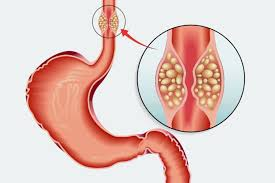
Not all food pipe cancers behave the same way. Here’s the quick breakdown.
Types and Stages of Esophageal Cancer
Esophageal cancer isn’t one single disease. It appears in two main forms, and each behaves slightly differently.
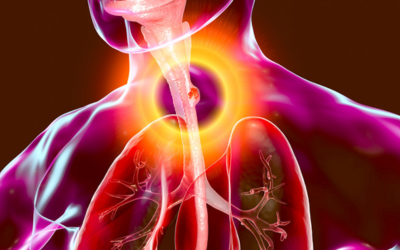
Adenocarcinoma
This is the most common type in India today. It usually begins in the lower part of the esophagus, near its junction with the stomach, and is often associated with long-term acid reflux and Barrett’s esophagus.
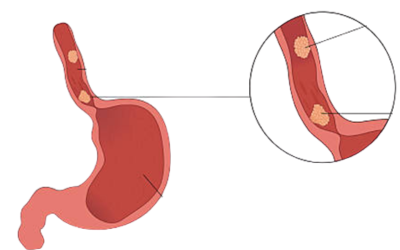
Squamous cell carcinoma
This forms in the flat cells lining the upper and middle esophagus and is more closely tied to smoking, chewing tobacco, and heavy alcohol use.
Rare Types
A small number of cases fall outside the two main types. These include small-cell carcinoma, melanoma, and esophageal lymphoma. Each needs its own specialized treatment plan.
Staging tells us how far the cancer has spread:

Stage 0
Abnormal cells are only in the top layer of the lining. Called high-grade dysplasia.

Stage I
Cancer has reached slightly deeper tissue but hasn’t spread to lymph nodes.

Stage II
Tumor has grown into the muscle layer or into a few nearby lymph nodes.

Stage III
Cancer has moved into deeper tissues or several lymph nodes around the esophagus.

Stage IV
The disease has spread to distant organs like the liver or lungs.
Unsure about your diagnosis? Connect with an expert to clearly understand your stage and options.
Now let’s look at the warning signs your body might be sending.
Symptoms of Esophageal Cancer
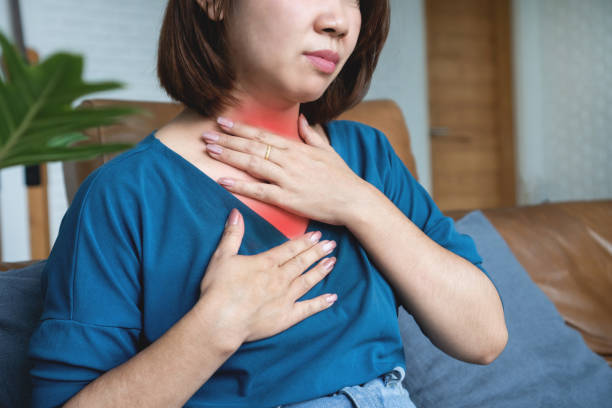
Symptoms often creep in slowly. Here’s what to watch for:
Trouble swallowing, especially solid foods
A sensation of food sticking in chest or throat
Unintentional loss of body weight without dieting
Heartburn that persists despite medications
Chest pain or burning sensation behind breastbone
Hoarseness or chronic cough
Vomiting, sometimes with traces of blood
Extreme tiredness
So, who’s actually at risk? Let’s break it down.
Causes and Risk Factors of Esophageal Cancer
Esophageal cancer develops gradually, often over several years, through sustained damage to the cells lining the food pipe. While no single cause applies to every patient, a well-documented set of risk factors consistently raises the likelihood of disease development.
The most significant contributors include:
Smoking and all forms of tobacco use including gutka and pan masala
Excessive alcohol intake
Untreated chronic GERD
Obesity and poor dietary habits of eating fewer fruits and vegetables
Consuming very hot beverages on a daily basis
Age above 55 and male gender (twice to thrice more common among men)
Family history of esophageal or GI cancers
Previous exposure to radiotherapy near chest
When something feels off, the next step is finding out exactly what’s happening.
Advanced Diagnostic Techniques for Esophageal Cancer
Diagnosing esophageal cancer accurately is where experience really matters. Dr. Rathod uses a comprehensive approach that combines visual inspection, tissue sampling, and detailed imaging to catch the disease at the earliest possible stage.
Upper GI Endoscopy
A flexible tube with a camera is passed through the mouth to view the esophagus directly. Suspicious areas are biopsied on the spot.
Endoscopic Ultrasound (EUS)
As an experienced endoscopist in Mumbai, India, Dr. Rathod uses EUS to assess tumor depth and whether lymph nodes are involved. It’s the gold standard for accurate staging.
NBI (Narrow Band Imaging)
This enhanced endoscopy highlights blood vessel patterns in the mucosa, helping detect flat, early lesions that standard white-light endoscopy can miss.
Biopsy and Histopathology
Tissue samples are examined under a microscope to confirm cancer type and grade.
CT, PET-CT, and MRI Scans
These imaging studies check if the cancer has spread to lymph nodes, lungs, liver, or other organs, which directly shape the treatment plan.
Dr. Vipulroy Rathod’s Advanced Treatment Approach and Expertise
There’s no one-size-fits-all plan for esophageal cancer. Dr. Rathod, an ace GI cancer specialist in Mumbai, builds each treatment based on the tumor’s location, stage and the patient’s overall health:
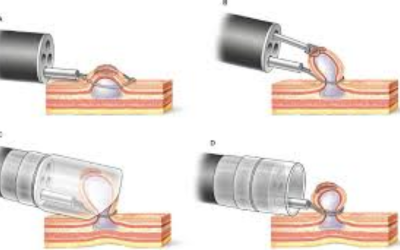
Endoscopic Mucosal Resection (EMR) and Submucosal Dissection (ESD)
For very early-stage tumors confined to the inner lining, these techniques remove cancerous tissue without any external cuts. Patients usually go home the same day or the next.
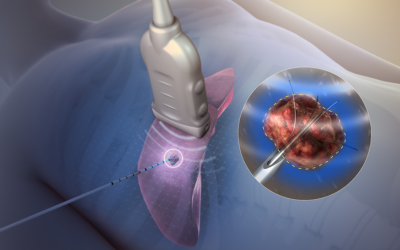
Radiofrequency Ablation (RFA)
Used for Barrett’s esophagus with dysplasia and some early cancers, RFA destroys abnormal cells using controlled heat energy delivered through an endoscope.
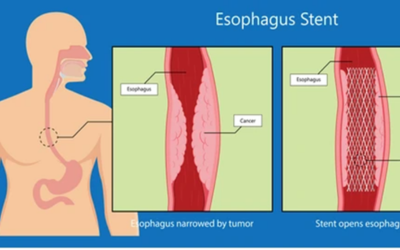
Esophageal Stenting
When a tumor blocks swallowing, placing a stent reopens the passage, allowing patients to eat and drink comfortably again.
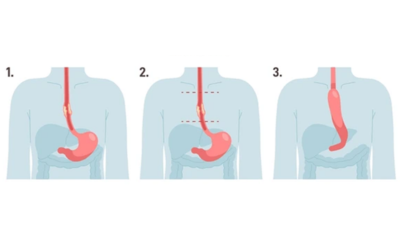
Minimally Invasive Esophagectomy
For tumors that need surgical removal, this approach uses small incisions and camera guidance instead of a large open cut. Recovery is faster, pain is lower, and hospital stays are shorter.
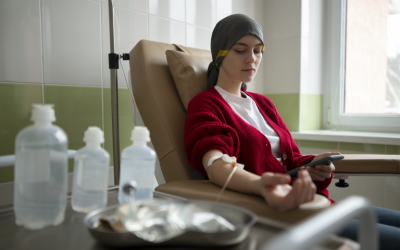
Chemotherapy, Radiation, and Targeted Therapy
For more advanced cases, Dr. Rathod coordinates with oncologists to design combination protocols that shrink tumors before surgery or manage disease that has spread.
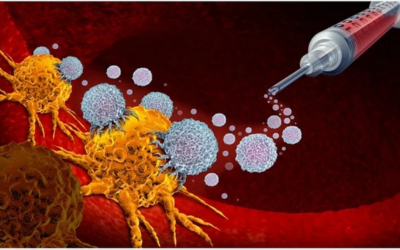
Immunotherapy
A newer class of treatment that helps the immune system recognize and attack cancer cells. It’s being used more often in recurrent or advanced esophageal cancer.
Planning ahead for recovery? Let’s discuss what your post-treatment roadmap looks like.
Recovery and Post-Treatment Care
What happens after treatment matters just as much as the treatment itself. The esophagus needs time to heal and eating habits have to adjust, sometimes temporarily, sometimes for life. Dr. Rathod’s team walks every patient through this phase so nothing feels like a guessing game.
Recovery usually involves:
A soft or liquid diet in the first few weeks, gradually moving to solids
Smaller, more frequent meals instead of three large ones
Emotional and psychological support, which honestly gets overlooked too often
Nutritional counseling to maintain weight and strength
Regular follow-up endoscopies to watch for recurrence
Imaging scans at scheduled intervals for the first few years
Remaining in an upright position after having your meal for at least an hour in order to prevent reflux
Patients who had minimally invasive procedures generally recover in a couple of weeks. Patients who required surgery may need 4-8 weeks for recovery. However, the long-term quality of life after successful treatment is well worth the patience.
The outcome of cancer treatment often depends on who’s leading it. Here’s why patients place their trust in Dr. Rathod.
Why Choose Dr. Vipulroy Rathod for Esophageal Cancer Treatment?
Three Decades of Clinical Experience
Over 30 years of focused practice in gastroenterology and advanced endoscopy, with a proven track record in managing complexGI cancers.
Expertise in Minimally Invasive Treatment
Precision Diagnosis
Uses high-definition endoscopy, EUS, and NBI imaging to detect early-stage lesions that standard methods often miss.
International Recognition
Has trained physicians from over 35 countries and delivered lectures and live demonstrations across 50 countries.

Patient-Centred Approach
Provides clear explanations, transparent treatment options, and long-term follow-up plans tailored to each patient’s condition and lifestyle.
Proven Outcomes in Complex Cases
Regularly manages second-opinion and high-risk cases referred from other centres across India and abroad.
Seeking clarity on your diagnosis or a stronger treatment plan? Reach out for expert evaluation and advanced esophageal cancer care.
Frequently Asked Questions
1. Is esophageal cancer curable?
Yes, especially when caught early. Stage 0 and stage I cancers have a high cure rate with endoscopic or minimally invasive treatment. Outcomes improve dramatically with early diagnosis.
2. What are the first warning signs?
The earliest and most common sign is trouble swallowing solid foods. Unexplained weight loss, persistent heartburn, and chest discomfort are also common early clues.
3. Can acid reflux cause esophageal cancer?
Long-standing, untreated acid reflux can lead to Barrett’s esophagus, a precancerous condition that raises the risk of developing adenocarcinoma over time.
4. Who is most at risk?
Smokers, heavy drinkers, people with chronic GERD, men over 55, and those with a family history of GI cancers face the highest risk.
5. Can esophageal cancer come back?
Yes, recurrence is possible, which is why long-term monitoring through regular endoscopies and scans is essential after treatment.
Disclaimer: The information shared in this content is for educational purposes and not for promotional use.
