




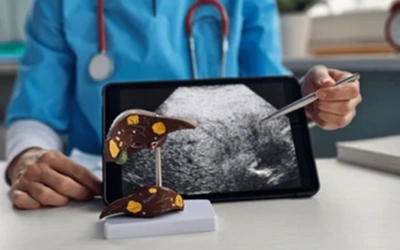
Liver Cancer Treatment in Mumbai
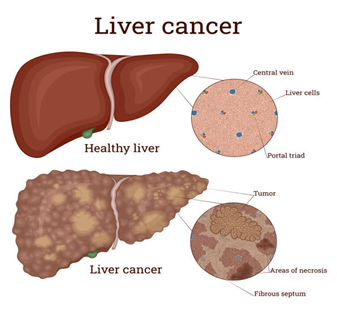
Liver cancer, specifically hepatocellular carcinoma (HCC), is one of the most common types of cancer globally and in India. It often develops in individuals with chronic liver conditions like cirrhosis, hepatitis B, or hepatitis C. Globally, liver cancer is the sixth most commonly diagnosed cancer, with a growing incidence in regions such as Asia, including India. As liver-related diseases increase in India, liver cancer diagnosis and early treatment are becoming more critical.
Dr. Vipulroy Rathod, a globally acclaimed gastroenterologist in Mumbai, India, emphasizes, “Liver cancer, when detected early, has a much higher chance of successful management, particularly with advanced diagnostic and endoscopic techniques.”
Having over 30 years of experience in treating complex liver conditions, Dr. Rathod specializes in liver cancer treatment in Mumbai. With expertise in endoscopic procedures, he offers advanced treatment options for early to mid-stage liver cancer. His personalized care ensures that patients receive the most effective treatment, reducing the need for invasive surgery whenever possible.
First, let’s explore the different types and stages of liver cancer to better understand this condition.
Types and Stages of Liver Cancer
Understanding the types and stages of liver cancer is crucial for determining the most effective treatment options. Liver cancer can vary in its origin, progression, and severity, which is why accurate staging is essential for personalized care.
Types of Liver Cancer:
1. Hepatocellular Carcinoma (HCC):
The most common type of liver cancer, often developing in people with chronic liver disease or cirrhosis.
2. Cholangiocarcinoma (Bile Duct Cancer):
Cancer that starts in the bile ducts and can spread to the liver.
3. Metastatic Liver Cancer:
Cancer that originates in another part of the body and spreads to the liver, commonly from cancers of the colon, pancreas, or breast.
Stages of Liver Cancer:
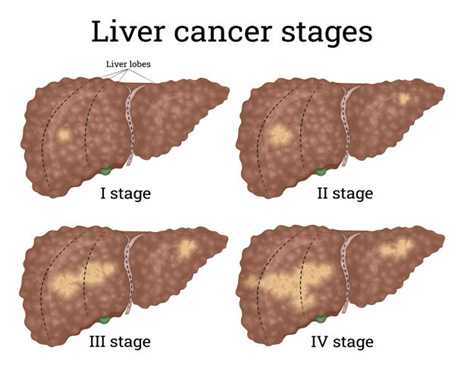
Liver cancer is generally staged using the Barcelona Clinic Liver Cancer (BCLC) system to determine the stage of the disease. The system takes into account tumor size, vascular involvement, liver function, and the patient’s overall health. The stages include:
The tumor is small and localized to a single location or part of the liver, with minimal or no liver dysfunction.
How can comprehensive liver cancer care improve patient outcomes? Let’s look at Dr. Rathod’s holistic care approach.
Comprehensive Liver Cancer Care by Dr. Vipulroy Rathod

1. Early Detection and Diagnosis
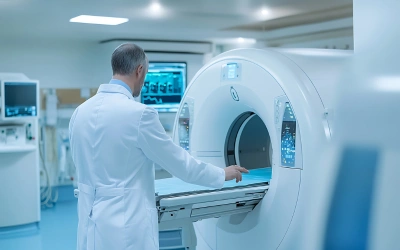
For early detection, high-end imaging technology like ultrasound, CT scans or MRI scans is used. Regular screening for high-risk patients is also part of the plan to help them identify cancer even if there are no prior symptoms.

2. Personalized Treatment Plans
Dr. Rathod’s treatment is tailored depending on the type of cancer, the stage of cancer and the overall health of the liver. For early stages, he may offer treatments like ablation therapy or endoscopic methods to preserve liver function. For advanced stages, treatments like chemotherapy, immunotherapy, and liver transplant are recommended.
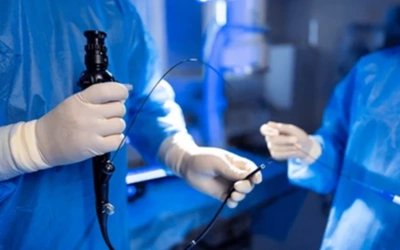
3. Minimally Invasive Techniques
Dr. Rathod is an expert in minimally invasive treatments involving endoscopy and ablation for a shorter recovery period and handling complications like varices and ascites.

4. Supportive Care
In addition to treatment, Dr. Rathod offers nutritional counseling, psychological support, and regular follow-ups to monitor progress and address side effects.
Dr. Vipulroy Rathod’s Advanced Treatment Approaches and Surgical Expertise
Dr. Rathod uses advanced medical technology and minimally invasive techniques to effectively treat liver cancer. Some of his cutting-edge techniques for treating cancer are:

Advanced Diagnostic Tools
Dr. Rathod uses modern imaging facilities like high-end ultrasonography, CT scans and elastography to check the extent and stages of liver cancer. Early detection enables the administration of the most appropriate treatment modality.
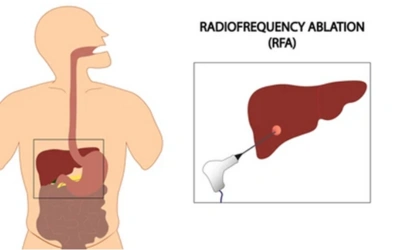
Ablation Therapies
Dr. Rathod specializes in advanced ablation techniques, including radiofrequency ablation (RFA) and microwave ablation (MWA). These procedures target and destroy liver tumors without the need for major surgery, especially for localized tumors.
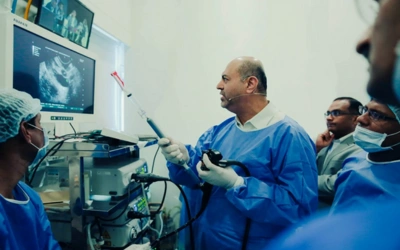
Endoscopic Expertise
Dr. Rathod’s expertise in endoscopic procedures is key in managing complications of liver cancer, such as varices or ascites. Endoscopic treatments, including banding and drainage procedures, provide effective symptom relief and improve patients' quality of life.
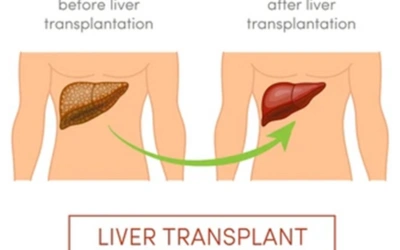
Liver Transplantation
For advanced liver cancer or cirrhosis, liver transplantation may be necessary. Dr. Rathod collaborates with top transplant centers, providing his patients with timely referrals and comprehensive care for those requiring a liver transplant.
Why should you opt for Dr. Rathod for liver cancer treatment in Mumbai? Here are the key reasons why patients trust him.
Why Choose Dr. Vipulroy Rathod for Liver Cancer Treatment?
Extensive Experience:
With over 30 years of experience in gastroenterology, Dr. Rathod has a wealth of knowledge in diagnosing and treating liver cancer.
Cutting-Edge Technology:
He uses the latest imaging techniques, biopsy methods, and advanced therapies to provide the most accurate diagnosis and effective treatment.
Multidisciplinary Approach:
Dr. Rathod coordinates with oncologists, radiologists, and surgeons to create a comprehensive treatment plan tailored to each patient’s needs.
Minimally Invasive Options:
He utilizes minimally invasive techniques manage liver cancer with fewer complications and faster recovery.
Patient-Centered Care:
He is known for his compassionate approach, taking time to explain treatment options and providing emotional support throughout the treatment process.
Successful Outcomes:
Dr. Rathod has helped many patients achieve long-term remission and improved quality of life through his personalized treatment approach.
Frequently Asked Questions
Disclaimer: The content shared on this page is for informational purposes and not for promotional use.