Contact Us
Pancreatic Cancer Treatment in Mumbai, India
Pancreatic cancer is one of the most challenging and complex types of cancer globally. Known for its ability to develop silently, it often leads to late-stage diagnosis, making treatment a race against time. The incidence of pancreatic cancer in India has been steadily increasing, with a noticeable rise in cases over the past few years.
This type of cancer affects the pancreas, an organ responsible for producing insulin and digestive enzymes, and can cause symptoms such as unexplained weight loss, abdominal pain, and jaundice. Early diagnosis and prompt treatment are crucial for better outcomes.
Early detection and professional treatment are two prime factors in the management of pancreatic cancer, says, Dr. Vipulroy Rathod, a well-known gastroenterologist in Mumbai. His expertise with state-of-the-art methods and treatment modalities have proven instrumental in giving patients the best chance for a successful recovery.
Dr. Rathod is a highly regarded expert in pancreatic cancer treatment in Mumbai, India. Accomplished with more than three decades of experience, he has transformed the pattern of diagnosis and management of gastrointestinal disorders and pancreatic cancer.
Recognized for his patient-oriented approach and use of sophisticated techniques, Dr. Rathod’s surgical intervention allows patients to receive individualized care for betterment of quality of life. Being a reliable professional, Dr. Rathod has helped a number of patients to walk through challenges of pancreatic cancer with expertise and dedication.
Look at the advanced procedures that are changing the game for GI care.
Types of Advanced Endoscopic Procedures Offered by
Dr. Vipulroy D. Rathod
Dr. Vipulroy D. Rathod offers a broad spectrum of specialized Endoscopic Procedures in Mumbai, tailored to handle even the most challenging GI cases. Each procedure is performed with precision and supported by cutting-edge technology:
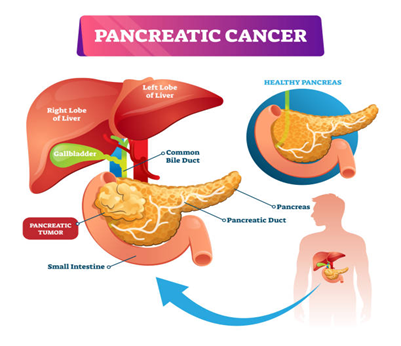
Pancreatic cancer may develop in any part of the pancreas and therefore may have several forms, which differ in their treatment course. The two primary types are:
Exocrine Pancreatic Cancer
The most common form, arising from the cells that produce digestive enzymes.
Endocrine Pancreatic Cancer
Less common, originating in the hormone-producing cells of the pancreas.
Understanding the stages of pancreatic cancer is important for treatment planning:

Stage I
The cancer is localized to the pancreas.

Stage II
Cancer has spread to nearby tissues or lymph nodes.

Stage III
Cancer has spread to major blood vessels or more distant lymph nodes.

Stage IV
The cancer has spread to distant organs such as the liver or lungs. Each stage requires a specific treatment strategy to manage the disease effectively.
Understanding your condition is key to the right treatment. Get in touch with an expert to explore your options.
How does comprehensive pancreatic cancer care work? Let’s discover how Dr. Rathod ensures the best treatment with his holistic approach.
Comprehensive Care for Pancreatic Cancer by Dr. Vipulroy Rathod
Dr. Rathod’s expertise in endoscopy enables accurate diagnosis and therapeutic management of a variety of complex GI conditions, such as:

Advanced Diagnostics
He employs latest diagnostic tools like EUS and CT scans for the accurate detection of pancreatic cancer.

Customized treatment plans
All patients get an individual treatment plan that includes surgery, chemotherapy and radiation, depending on their overall condition and stage of cancer.

Minimally Invasive Approaches
Dr. Rathod focuses on minimally invasive procedures, ensuring faster recovery, less pain, and fewer complications for patients.

Multidisciplinary Approach
Dr. Rathod collaborates with a team of specialists, including oncologists and radiologists, to offer a well-rounded treatment approach for pancreatic cancer.

Ongoing Care and Support
Dr. Rathod provides continuous monitoring and post-treatment care to ensure optimal recovery and quality of life for patients.
How do advanced treatment approaches impact pancreatic cancer outcomes? Let’s explore Dr. Rathod’s expertise in cutting-edge surgery and care.
Dr. Vipulroy Rathod’s Advanced Treatment Approaches and Surgical Expertise
Minimally Invasive Surgery
Dr. Rathod employs endoscopic and laparoscopic techniques for managing pancreatic cancer, offering smaller incisions, fewer complications, and faster recovery compared to traditional surgery.
Whipple Procedure
Dr. Rathod performs the complex Whipple procedure, removing part of the pancreas, duodenum, and bile duct to treat pancreatic cancer, with improved outcomes due to his precision.
EUS
Using Endoscopic Ultrasound (EUS), Dr. Rathod captures detailed images of the pancreas to detect early-stage cancer and aid in staging for optimal treatment planning.
ERCP for Biliary and Pancreatic Conditions
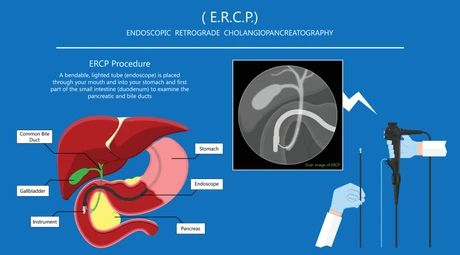
Dr. Rathod routinely performs Endoscopic Retrograde Cholangiopancreatography (ERCP) to diagnose and treat bile duct and pancreatic duct blockages, ensuring optimal pancreatic and digestive function.
Dr. Rathod routinely performs Endoscopic Retrograde Cholangiopancreatography (ERCP) to diagnose and treat bile duct and pancreatic duct blockages, ensuring optimal pancreatic and digestive function.
How does comprehensive pancreatic cancer care work? Let’s discover how Dr. Rathod ensures the best treatment with his holistic approach.
Why Choose Dr. Vipulroy Rathod for Pancreatic Cancer Treatment?
Advanced endoscopic treatments are fast becoming the preferred choice over traditional open or laparoscopic surgeries, and for good reason:
Renowned Gastroenterologist
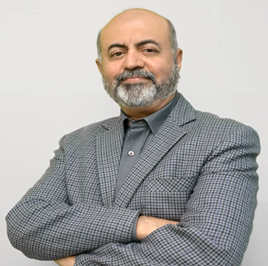
Dr. Vipulroy Rathod is a leading gastroenterologist in Mumbai, India, possessing extensive experience of over 30 years in diagnosing and managing complex conditions of the pancreas.
Comprehensive Pancreatic Care
From diagnosis to treatment and long-term follow-up, Dr. Rathod offers end-to-end care for pancreatic disorders such as pancreatic cancer, cysts, tumors, and Pancreatitis , ensuring seamless and consistent patient management under one roof.
High Procedure Volume
Having performed over 80,000 endoscopic procedures and 20,000 EUS interventions, Dr. Rathod’s extensive experience ensures accuracy, safety, and better outcomes.
Patient-Centric Philosophy
Known for his compassionate care, he ensures every patient understands their diagnosis and treatment options clearly before proceeding.
Proven Track Record
Dr. Rathod’s success in managing pancreatic diseases through minimally invasive approaches has earned him national and international recognition.
Faster recovery
Return to normal activities within days, not weeks
How does comprehensive pancreatic cancer care work? Let’s discover how Dr. Rathod ensures the best treatment with his holistic approach.
Frequently Asked Questions
1. What are the symptoms of pancreatic cancer?
Common pancreatic cancer symptoms include unexplained weight loss, jaundice, abdominal pain, and digestive problems. Early signs may be subtle, so it’s essential to seek a doctor if any unusual symptoms occur.
2. What is the survival rate for pancreatic cancer?
Survival rates vary based on the cancer’s stage and overall health, but early detection and treatment can significantly improve outcomes.
3. What are the risk factors for developing pancreatic cancer?
Risk factors include smoking, obesity, family history, and certain genetic mutations.
4. Can pancreatic cancer recur after treatment?
Yes, like other cancers, pancreatic cancer can recur even after successful treatment. Regular follow-up care is essential.
5. How long is the recovery after pancreatic cancer surgery?
Recovery times vary, but Dr. Rathod’s minimally invasive approach typically results in a quicker recovery compared to traditional surgery.
Disclaimer: The information shared in this content is for educational purposes and not for promotional use.