

Dr. Vipulroy Rathod

Contact Us

    Endoscopic Foreign Body Removal in Mumbai, India

    Ingestion or inhalation of foreign bodies is a relatively common and potentially dangerous occurrence that can happen to both children and adults. Small objects such as food particles, coins, toy parts, or sharp objects may enter the airway or digestive tract, causing pain, choking or complications if not addressed immediately. Endoscopic removal of a foreign body is a safe and efficient method for removing such objects without surgery.

    “Endoscopic methods are the safest and most effective way of removing foreign bodies with a negligible amount of discomfort and a quicker recovery time compared to conventional surgery,” states Dr. Vipulroy Rathod, a renowned gastroenterologist in Mumbai, India.

    With years of expertise in advanced diagnostic and therapeutic endoscopy, Dr. Rathod is one of the most preferred experts for endoscopic foreign body removal in Mumbai, India. He employs the most advanced modalities for the safe and efficient removal of foreign objects from the body. His specialization in this field, coupled with his patient-centered approach, ensures best possible care and speedy recovery for his patients in need of foreign object removal.

    First, let’s take a closer look at the different objects that may need to be extracted.

    Types of Foreign Bodies Commonly Removed

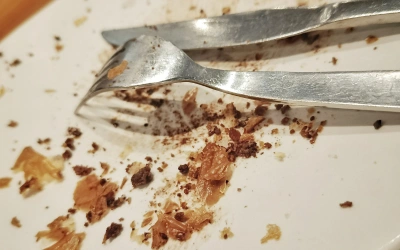
    Food Particles

    Larger pieces of food or incompletely chewed bits of food, such as pieces of meat or bones, may at occasions get stuck in the esophagus or airway.

    Toys and Small Items

    Children are particularly at risk of swallowing small toys, coins, buttons, or other small household items, which can obstruct the airway or gastrointestinal tract.
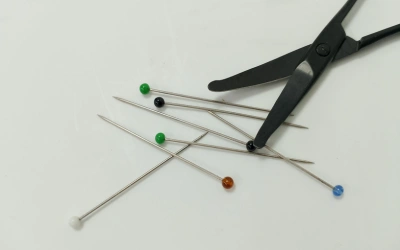
    Sharp Objects

    Objects such as needles, pins, or glass or metal fragments can be ingested or accidentally inhaled. Such objects may cause damage or obstruction that requires immediate removal.
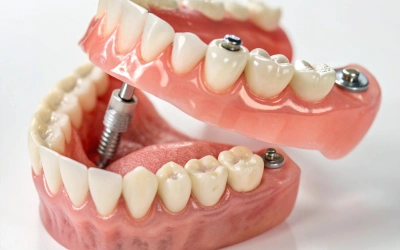
    Dentures and Other Dental Appliances

    Sometimes dentures or other loose or broken dental fittings may get swallowed. They can be removed endoscopically.
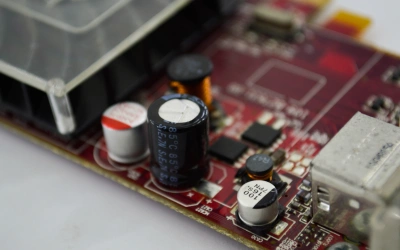
    Batteries

    Ingested batteries, particularly small button batteries, can cause severe damage to the digestive tract and require prompt removal to prevent toxicity or burns.
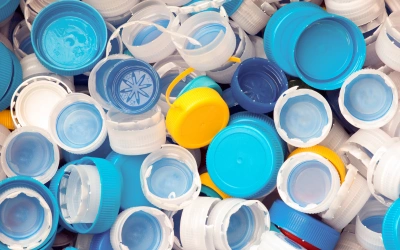
    Plastic & Other Materials

    Plastic wrappers, bottle caps, or other small plastic objects can sometimes be swallowed, especially by children or the elderly.
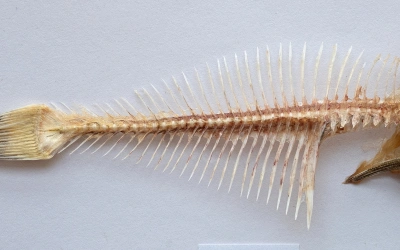
    Fishbones or Chicken Bones

    Small bones from fish or chicken can get stuck in the throat or esophagus, causing discomfort and difficulty swallowing.

    Inhaled Foreign Bodies

    Objects like peanuts, seeds, or small toys can be accidentally inhaled into the airway, leading to choking or respiratory distress and requiring immediate removal.
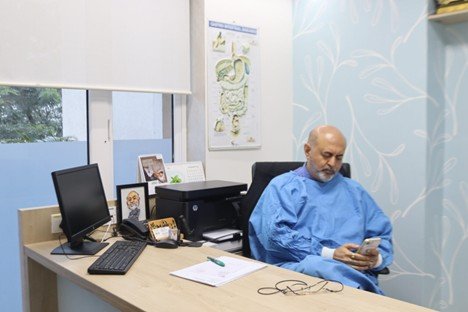
    If you’ve swallowed or inhaled a foreign object, don’t wait for complications. Reach out to a specialist today for safe foreign body removal and ensure a quick recovery.

    What makes endoscopic techniques so effective for foreign body removal? Let’s explore the advanced methods used for safe and efficient extraction.

    State-of-the-Art Endoscopic Techniques for Foreign Body Removal

    Endoscopic foreign body extraction is a minimally invasive procedure that uses a flexible tube (endoscope) with a camera and specialized tools to locate and remove foreign objects. Dr. Rathod employs the latest technologies, including:

    Flexible Endoscopes:

    These provide high-definition images and allow precise manipulation of tools to safely extract foreign bodies from hard-to-reach areas.

    Grasping Forceps:

    Specially designed forceps are used to gently grasp and remove foreign objects from the esophagus, stomach, or intestines.

    Electrocautery:

    In some cases, electrocautery is used to remove objects that may be stuck to the walls of the digestive tract or to cauterize bleeding areas.

    Pneumatic Extraction:

    This technique uses air pressure to push out an object lodged in the esophagus or stomach, especially for larger foreign bodies.

    Through-The-Scope (TTS) Devices:

    These are specialized tools that are smaller and can be passed through the endoscope to grasp and remove foreign bodies without large incisions.

    Magnetic Extraction:

    For metal foreign bodies, Dr. Rathod may use a magnetic tool to draw out the object without damaging the surrounding tissue.

    These advanced techniques ensure that foreign body removal is performed safely, with minimal discomfort and a faster recovery time than traditional surgery.

    Why Patients Trust Dr. Vipulroy D. Rathod for Endoscopic Foreign Body Removal?

    Extensive Expertise:

    Dr. Rathod has over 30 years of experience in performing advanced endoscopic procedures, including foreign body extractions, with a high success rate.

    Minimally Invasive Approach:

    He uses state-of-the-art, minimally invasive techniques that offer faster recovery times and reduced risks compared to traditional surgical methods.

    Personalized Care:

    Each patient receives a tailored treatment plan, ensuring the safest and most effective approach to foreign body removal.

    Comprehensive Knowledge:

    Dr. Rathod specializes in a wide array of digestive and esophageal issues, making him a trusted choice for both minor and major foreign body removals.

    Patient-centered Approach:

    Known for his compassionate care, Dr. Rathod ensures that patients feel supported and informed at every step of the process from diagnosis to recovery.

    Successful Outcomes:

    He has successfully removed foreign objects from the gastrointestinal tract and airway for countless patients, ensuring quick, effective results with minimal complications.

    If you’re dealing with a foreign body ingestion or inhalation, endoscopic removal could be the best option. Connect with a professional to find out more about this minimally invasive procedure.

    Frequently Asked Questions

    1. Is the procedure painful?
    Most patients experience minimal discomfort because the procedure is performed under sedation or anesthesia.
    2. How long does the procedure take?
    The procedure typically takes between 30 minutes to an hour, depending on the complexity of the case.
    3. Is endoscopic foreign body removal safe?
    Yes, it is a safe and effective method with minimal risks when performed by an experienced specialist.
    4. Do I need to be hospitalized after the procedure?
    In most cases, patients can go home the same day after the procedure with minimal recovery time.
    5. Are there risks associated with foreign body removal?
    Risks are rare but may include mild bleeding, infection, or injury to the surrounding tissues.
    6. How long does it take to recover from the procedure?
    Recovery time is generally short, with most patients resuming normal activities within a day or two.
    7. Can children undergo endoscopic foreign body removal?
    Yes, endoscopy is safe for children and is commonly used to remove objects that children accidentally swallow.

    Disclaimer: The information shared in this content is for educational purposes and not for promotional use.

    Scroll to Top
    Call Now Button