Dr. Vipulroy Rathod

Blog

Your blog category

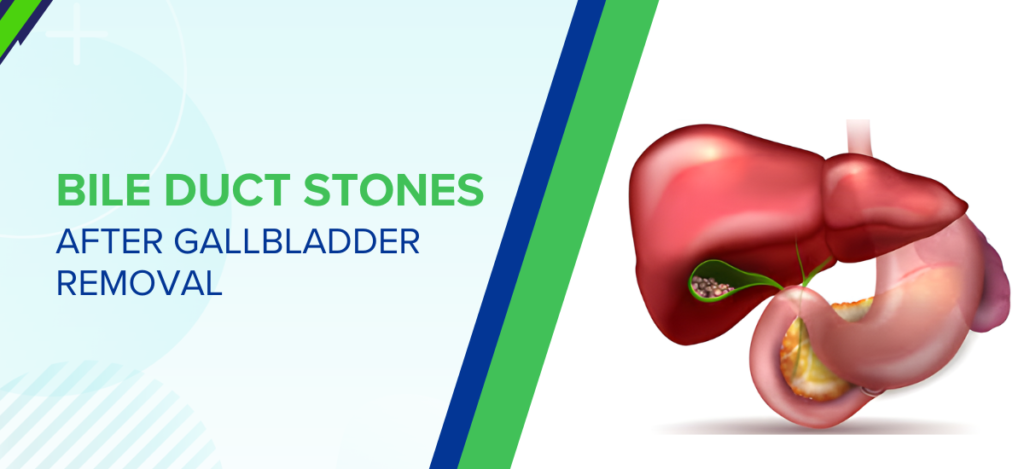
Bile Duct Stones After Gallbladder Removal

Gallbladder removal, or cholecystectomy, is a common surgical procedure to treat gallstones and other gallbladder-related issues. Usually this surgery makes people feel better. Sometimes people can have some issues after the surgery. For example they might get bile duct stones after gallbladder removal. This can happen when stones that were already in the gallbladder move to bile ducts. It can also happen when new stones form in the bile ducts. Dr. Vipulroy Rathod, a leading gastroenterologist in Mumbai, explains, “While bile duct stones after gallbladder removal are not common, early detection and timely intervention are crucial in preventing complications such as bile duct blockage or infections.” With over three decades of experience, Dr. Rathod provides expert care for patients experiencing complications after gallbladder removal. His approach to managing bile duct stones includes advanced diagnostic techniques and personalized treatment plans, ensuring optimal outcomes for his patients. What exactly is AI in GI Endoscopy and how is it integrated into endoscopic procedures? Let’s break it down. What Are Bile Duct Stones? Bile duct stones, also known as choledocholithiasis, are stones that form in the bile ducts, the small tubes that carry bile from the liver and gallbladder to the small intestine. These stones can be made up of cholesterol, bile pigments, or a combination of both. Types of Bile Duct Stones Primary Bile Duct Stones These stones form directly in the bile ducts and are often associated with conditions such asbiliary tract infections or inflammation. Secondary Bile Duct Stones These stones typically originate in the gallbladder and migrate to the bile ducts. They are the most common type found after gallbladder removal. Is it possible to develop bile duct stones after gallbladder removal? Let’s discuss the likelihood. Can You Get Bile Duct Stones After Gallbladder Removal? Yes, you can develop bile duct stones after gallbladder removal. When the gallbladder is removed, bile continues to be produced by the liver and flows directly into the small intestine. In some cases, gallbladder stones or debris may migrate into the bile ducts, where they can cause blockages. Additionally, new stones can form in the bile ducts over time due to changes in bile composition and flow. Some risk factors for developing bile duct stones after gallbladder removal include: Retained Gallstones: Stones left behind in the bile ducts during surgery. Bile Duct Narrowing: Narrowed or abnormal bile ducts can increase the likelihood of stone formation. Obesity or Rapid Weight Loss: Both can alter bile composition, increasing the risk of stone formation. Chronic Bile Duct Inflammation: Conditions like cholangitis can lead to the formation of new stones. What symptoms should you look for if bile duct stones form after gallbladder removal? Let’s explore the signs to watch for and how early detection helps. Symptoms of Bile Duct Stones After Cholecystectomy The symptoms of bile duct stones may be similar to those experienced with gallbladder issues before surgery, including: Pain in the Upper Abdomen Especially after eating, which can be sharp and sudden Jaundice Yellowing of the skin or eyes due to bile duct obstruction Dark Urine and Pale Stools Indicating a blockage in bile flow Nausea and Vomiting Resulting from bile buildup and digestive disruption Fever and Chills If a bile duct infection (cholangitis) occurs, accompanied by stones Experiencing any of these symptoms after gallbladder removal? Seek prompt medical attention to prevent further complications. Book Appointment How are bile duct stones diagnosed? Let’s explore the diagnostic options. Diagnosis of Bile Duct Stones When you have had your gallbladder removed, and bile duct stones are suspected, doctors usually perform a few tests to figure out what is going on. Diagnosing bile duct stones after gallbladder removal typically involves several steps to find out more, about the bile duct stones. 1. Blood Tests To check for signs of infection or liver dysfunction. 2. Ultrasound Often, it is the first imaging test to detect stones or blockages in the bile ducts. 3. CT Scan It is really helpful because it gives detailed images of the bile ducts and the liver. This helps doctors determine whether there are stones or if the bile ducts are narrowed. 4. Magnetic Resonance Cholangiopancreatography or MRCP: A non-invasive imaging technique that provides detailed pictures of the bile ducts. 5. Endoscopic Retrograde Cholangiopancreatography (ERCP): A non-invasive imaging technique that provides detailed pictures of the bile ducts. What are the treatments available for bile duct stones after gallbladder removal? Let’s explore the possibilities. Treatment Options for Bile Duct Stones The size, location, and severity of the blockage determine how bile duct stones are treated: 1. Endoscopic Removal (ERCP) The most common and effective treatment. ERCP reduces the need for surgery by enabling the doctor to remove stones with a flexible tube equipped with a camera. 2. Surgical Excision Surgery may be necessary to remove the stones or to clear the bile ducts if ERCP is ineffective or the stones are too large. 3. Stenting of Bile Ducts A stent may be inserted to maintain the bile duct open and stop blockage if it has narrowed. 4. Drugs Although less frequently used, drugs may occasionally aid in the dissolution of smaller stones. Can bile duct stones be prevented after gallbladder removal? Let’s explore preventive measures. How to Prevent Bile Duct Stones After Gallbladder Removal Although it may not always be possible to prevent bile duct stones, certain lifestyle changes and precautions can reduce the risk: Maintain a Healthy Weight Avoid rapid weight loss or obesity, which can alter bile composition and increase stone formation. Eat a Balanced Diet A diet rich in fiber, low in fats, and balanced in nutrients can help prevent bile issues. Stay Hydrated Drinking plenty of water helps maintain bile flow and reduces the risk of stone formation. Regular Checkups If you’ve had a gallbladder removal, regular follow-up appointments with your doctor can help detect any early signs of bile duct problems. Conclusion Bile duct stones after gallbladder removal can lead to significant discomfort and complications, but with early detection and proper management,

Bile Duct Stones After Gallbladder Removal Read More »
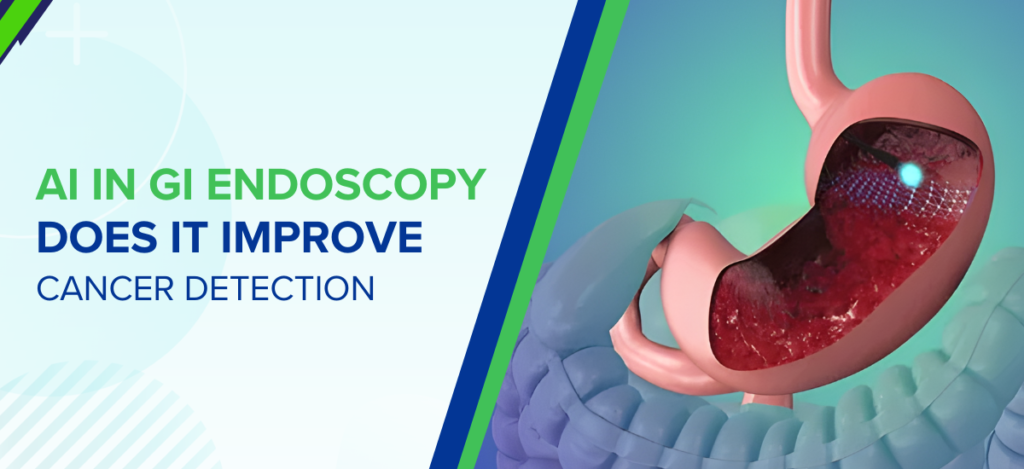
AI in GI Endoscopy: Does It Improve Cancer Detection?

Artificial Intelligence (AI) has made significant advancements across various fields, revolutionizing healthcare with its potential to improve diagnoses and treatment outcomes. In gastroenterology, AI is particularly transforming gastrointestinal (GI) endoscopy by assisting with real-time analysis of endoscopic images, leading to earlier and more accurate detection of diseases, including cancer. AI algorithms are designed to recognize patterns and abnormalities that the human eye may miss, offering a new level of precision in GI endoscopy. AI in GI Endoscopy is particularly promising for detecting GI cancers, including esophageal, gastric, and colorectal cancers. Dr. Vipulroy Rathod, a globally acclaimed gastroenterologist in Mumbai, explains, “AI integration in GI endoscopy has the potential to significantly enhance cancer detection, reducing human error and improving patient outcomes.” His expertise in advanced endoscopic techniques ensures that AI is used effectively to detect and treat GI cancers. What exactly is AI in GI Endoscopy and how is it integrated into endoscopic procedures? Let’s break it down. What Is AI in GI Endoscopy? AI in GI endoscopy technology uses machine learning algorithms and deep learning models to analyze endoscopic images in real time. These AI systems are trained to recognize patterns and anomalies in gastrointestinal tissues to identify various growths, polyps, or early signs of cancer. The AI software used to analyze images from the endoscopic camera provides instant feedback to the gastroenterologist. How AI Is Integrated Into Endoscopic Procedures: Real-Time Image Analysis AI algorithms process the endoscopic images captured during the procedure and highlight potential areas of concern, helping doctors focus on abnormal findings. Pattern Recognition The AI system is trained on a vast database of images from various sources to identify common and rare abnormalities, thereby helping detect cancer or precancerous lesions. Automated Reporting After the procedure, AI can automatically generate reports, summarizing the findings and assisting in making more informed treatment decisions. Now, let’s discuss the importance of early diagnosis of GI cancers. Why Early Cancer Detection Matters Early detection is key to successful cancer treatment. Schedule a screening today and take a proactive step in safeguarding your health with advanced endoscopic techniques. Book Appointment How exactly does AI help in detecting cancers during GI endoscopy? Let’s break it down. How AI Assists in Detecting GI Cancers AI plays a pivotal role in improving the accuracy and efficiency of cancer detection during GI endoscopy. Here’s how AI enhances the detection process: Identifying Small Lesions AI algorithms can detect small or subtle lesions that may be overlooked by human eyes, particularly during routine screening procedures. Precancerous Lesions AI can distinguish between benign growths and precancerous lesions, allowing for earlier intervention. Consistent Performance AI maintains a high level of consistency in analyzing images, since there is less scope for variations that may occur, as perceived by different operators or procedures. Assisting in Biopsy Guidance AI can assist endoscopists in guiding biopsy tools to the precise location of suspicious areas for further examination. What are the key benefits of integrating AI into GI endoscopy? Let’s explore the advantages. Key Benefits of Using AI in GI Endoscopy Improved Accuracy AI helps identify abnormalities more accurately, reducing the chances of missed diagnoses. Early Detection By identifying early signs of cancer and precancerous states, AI can enable quicker intervention. Faster Results With real-time analysis, AI provides immediate feedback, enabling rapid diagnosis of the problem. Enhanced Efficiency AI can automate routine tasks such as image review, freeing up the gastroenterologist’s time to focus on patient care. Consistency Consistent results can be obtained through AI systems, reducing the probability of human error and variability. Current Limitations and Challenges of AI in GI Endoscopy While AI in GI endoscopy holds promise, challenges also exist. 1. Data Quality AI depends on large databases for training and the kind of datasets it uses may affect the quality of its performance. 2. Integration with Existing Systems Integrating AI tools into existing endoscopic systems can be a challenging task from the technical viewpoint. 3. Dependence on Expert Supervision AI cannot replace the gastroenterologist’s expertise and should be used as a complementary tool. 4. Limited Generalization This may be because AI systems trained on a single dataset may not generalize well to other datasets, and there may be discrepancies in the diagnosis across populations. 5. Regulatory and Ethical Issues This also creates several issues with accountability, transparency and regulation in terms of AI’s use in medical procedures. What does the clinical evidence say about the accuracy of AI endoscopy cancer detection? Clinical Evidence and Accuracy of AI-Assisted Cancer Detection Studies have shown that AI can significantly improve the accuracy of GI cancer detection. In trials, AI-assisted endoscopy demonstrated higher sensitivity and specificity in detecting early-stage cancers compared to traditional methods. AI algorithms have been shown to correctly identify abnormalities with a level of accuracy comparable to that of highly experienced endoscopists. In some cases, AI has outperformed human operators in detecting subtle lesions or precancerous changes. What does the future hold for AI in GI endoscopy? Let’s look ahead. What does the future hold for AI in GI endoscopy? Let’s look ahead. Future Scope of AI in GI Endoscopy The future of using AI in GI endoscopy looks incredibly promising. With continued progress in the development of AI, we may expect: Integration of AI with Other Technologies AI will likely be combined with other technologies, such as robotics and augmented reality, to enable even more precise procedures. Broader Application AI could potentially extend to identify more GI disorders beyond cancer, improving overall diagnostic capabilities. Improved Learning Algorithms Ongoing developments in machine learning will enhance AI’s ability to detect more complex abnormalities and adapt to new data sources. Wider Adoption With continued development and clinical validation, AI tools will become more accessible and widely used in clinical settings. Conclusion AI in GI endoscopy is transforming cancer detection by improving accuracy, enabling earlier detection, and improving patient outcomes. As technology advances, it will continue to play a pivotal role in diagnosing and treating GI cancers. Dr. Vipulroy Rathod’s expertise in using AI-enhanced

AI in GI Endoscopy: Does It Improve Cancer Detection? Read More »

5 Pediatric GI Disorders Every Parent Should Know

A heartfelt testimonial from a grateful patient, showcasing the compassionate care and dedication provided Dr. Vipulroy Rathod in managing pediatric GI disorders. Problems with digestion are quite prevalent but not well understood in children. Most parents have observed that their children experience regular episodes of abdominal pain, vomiting, or loss of appetite but simply wait for it to pass. However, some gastrointestinal problems can be a sign of underlying Pediatric GI problems that require medical attention. For example, Gastroesophageal Reflux Disease (GERD) is known to affect more than 25% of infants under the age of 18 months, as it causes symptoms such as reflux and chest discomfort. Likewise, functional gastrointestinal disorders are known to affect up to 25% of children. According to Dr. Vipulroy Rathod, an internationally recognized  gastroenterologist in Mumbai, “Timely diagnosis and appropriate management can significantly improve outcomes for children facing gastrointestinal challenges.” 1. Gastroesophageal Reflux Disease (GERD) Gastroesophageal reflux disease is one of the most common Pediatric GI disorders, especially in infants and young children. While mild reflux is normal in babies, GERD occurs when stomach acid repeatedly flows back into the esophagus, causing irritation and discomfort.Common GI symptoms in children with GERD Frequent vomiting or regurgitation Irritability during feeding Poor weight gain Refusal to eat Chronic cough or wheezing Chest discomfort in older children Persistent reflux can affect sleep and feeding patterns and may lead to esophageal inflammation if untreated. Diagnosis typically involves a detailed medical history, growth assessment, and targeted investigations when required. With proper dietary changes and medication, GERD can be effectively managed. 2. Celiac Disease Celiac disease is a type of autoimmune disorder that is activated by gluten intake. It leads to the breakdown of the small intestine lining, which results in nutrient malabsorption. This disease frequently goes undetected as the symptoms are very diverse. Common GI symptoms in children with celiac disease Long, standing diarrhea or constipation Abdominal distension Failure to thrive or weight loss Exhaustion Late onset of puberty Iron deficiency anemia Besides, some kids might show signs of behavioral issues and have trouble learning. Being diagnosed early is essential because celiac disease, if it is not treated, can lead to bone formation and growth issues. The principal therapy has been and still is a gluten, free diet. 3. Inflammatory Bowel Disease (IBD) Inflammatory bowel disease includes Crohn’s disease and ulcerative colitis. Although less common than other digestive issues, IBD is one of the most serious Pediatric GI disorders due to its long-term impact on growth and quality of life. Warning GI symptoms in children with IBD Chronic diarrhea Blood in stools Persistent abdominal pain Weight loss Delayed growth or puberty Fatigue IBD can be a condition that needs long-term medical care. Early diagnosis of IBD can help manage inflammation, prevent complications, and ensure growth. Children with IBD need a treatment plan that includes medication, nutrition, and follow-up. 4. Infectious Gastroenteritis Infectious gastroenteritis is a common cause of acute digestive illness in children. It is usually caused by viruses, bacteria, or parasites and spreads easily through contaminated food, water, or close contact. Common GI symptoms in children with gastroenteritis Sudden onset diarrhea Vomiting Fever Abdominal cramps Dehydration However, most of these cases are self-limiting, but dehydration is a particular risk in young children. Parents should contact a physician if there is no improvement, dehydration occurs, or if there is blood in the stool. Staying hydrated and under the care of a physician is crucial in helping the child recover. 5. Chronic Constipation Chronic constipation is one of the most frequently encountered Pediatric GI disorders and is often underestimated. It occurs when bowel movements become infrequent, hard, or painful over an extended period. Signs and GI symptoms in children with constipation Infrequent bowel movements Hard or painful stools Abdominal pain or bloating Stool withholding behavior Reduced appetite If left alone, chronic constipation can cause leakage of stool and bowel dysfunction. Early treatment with diet modification, behavioral therapy, and medication if necessary can help normalize bowel habits. Warning Signs Parents Should Never Ignore While occasional digestive discomfort is normal, certain symptoms require medical evaluation: Persistent abdominal pain Blood in stool Chronic vomiting or diarrhea Poor weight gain Delayed growth Loss of appetite lasting weeks When GI symptoms in children interfere with daily life or persist beyond two weeks, consulting a pediatric gastroenterologist is strongly advised. According to Dr. Vipulroy Rathod, a prominent gastroenterologist in Mumbai, India – “Accurate diagnosis is the foundation of effective pediatric GI care”. His approach emphasizes evidence-based evaluation, compassionate care, and long-term digestive health rather than symptom suppression alone. Parents are encouraged to seek professional guidance instead of relying on unverified remedies. How Pediatric GI Disorders Are Diagnosed Diagnosis begins with a thorough medical history and growth assessment. Parents may be asked about feeding patterns, bowel habits, dietary triggers, and family history. Depending on findings, investigations may include: Blood tests Stool analysis Ultrasound or imaging Endoscopy or colonoscopy in selected cases Modern pediatric gastroenterology focuses on accuracy while ensuring comfort and safety for children. Treatment and Long-Term Management Dr. Vipulroy Rathod has a holistic and child-centric approach to the management of Pediatric GI problems. He devises treatment plans according to the child’s individual diagnosis, age, and severity of the problem. His treatment plan is child-centric and develops with the child as he/she grows. Dr. Rathod believes that follow-ups and lifestyle changes are essential for the best possible results. Here is a brief description of the treatment options that Dr. Rathod may prescribe: Gastroesophageal Reflux Disease (GERD): Treatment: Use of proton pump inhibitors (PPIs) or H2 blockers to reduce stomach acid. Long-term care: Follow-up appointments, changes in diet, and monitoring for potential complications like esophageal stricture. Celiac Disease: Treatment: Gluten-free diet for life, and possibly vitamin supplements for deficiencies (iron, calcium). Long-term care: Follow-up appointments to monitor growth, vitamin status, and gluten-free diet adherence. Inflammatory Bowel Disease (IBD): Treatment: Anti-inflammatory drugs (corticosteroids, immunosuppressants), biologic agents (infliximab), and nutritional support. Long-term care: Medications for maintenance of remission, regular screenings, and

5 Pediatric GI Disorders Every Parent Should Know Read More »

Scroll to Top
Call Now Button