 Skip to content
Heartburn, or acid reflux, is a common issue that affects many people, often occurring after meals. It can make eating feel like a painful experience, leaving individuals feeling uncomfortable and frustrated. But what causes heartburn after every meal, and how can it be treated? Dr. Vipulroy Rathod, explains what you need to know about this condition and offers solutions to help you manage it.
Dr. Vipulroy Rathod, a leading gastroenterologist in Mumbai, shares, “Heartburn is typically caused by acid from the stomach flowing back into the esophagus. Understanding the triggers and getting the right treatment can help alleviate the discomfort and prevent long-term complications.”
Let’s take a closer look at the causes of heartburn and how you can manage it.
What Exactly Is Heartburn and How Does It Occur?
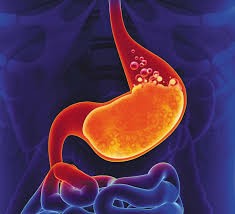
Heartburn occurs when stomach acid or bile irritates the lining of your esophagus. This irritation causes a burning sensation in the chest or throat, especially after eating. While it’s common to experience occasional heartburn, frequent occurrences may indicate gastroesophageal reflux disease (GERD), a more serious condition.
Key Triggers of Heartburn After Meals
Several factors contribute to heartburn, and understanding the triggers can help you avoid them:

Overeating

Spicy, Fatty, or Acidic Foods

Laying Down After Eating

Obesity
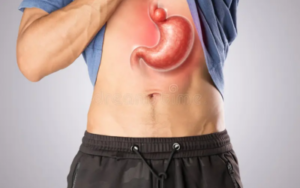
Hiatal Hernia
Common Signs of Heartburn
A sharp discomfort in the chest often signals heartburn. Yet some people also notice a sour taste in their mouth. Sometimes the pain rises toward the throat. Not everyone feels it the same way. A few might have trouble swallowing. Others find that lying down makes things worse. Bending forward can bring on a flare, up too
- Regurgitation of food or sour liquid
- Difficulty swallowing
- A feeling of a lump in the throat
- Chronic cough or sore throat
- Hoarseness or bad breath
Experiencing frequent heartburn after meals? It’s important to seek advice from an expert to manage the condition before it leads to further complications.
How Is Heartburn Diagnosed?
To diagnose heartburn and GERD, doctors may perform several tests, including:
- Physical Examination: The doctor will check for signs of reflux and examine the esophagus for damage.
- Endoscopy: A procedure where a small camera is used to examine the lining of the esophagus and stomach.
- pH Monitoring: This test measures the amount of acid in the esophagus over a 24-hour period.
- Barium Swallow X-ray: This can show if there’s any damage to the esophagus or a hiatal hernia.
Dr. Vipulroy Rathod, a renowned gastroenterologist in Mumbai, uses these diagnostic tools to accurately assess and diagnose heartburn and GERD. His expertise ensures that each patient receives the most effective treatment plan based on their specific condition.
Effective Treatment Options for Managing Heartburn
There are several ways to manage and treat heartburn:
- Lifestyle Changes: Simple changes like eating smaller meals, avoiding trigger foods, and not lying down immediately after eating can help.
- Antacids: Over-the-counter medications like antacids can neutralize stomach acid and provide quick relief.
- H2-Receptor Antagonists: These medications reduce acid production in the stomach, helping to prevent heartburn.
- Proton Pump Inhibitors (PPIs): PPIs are stronger medications that block acid production, providing longer-term relief.
- Surgery: In severe cases, surgery may be required to fix the issue, especially if lifestyle changes and medications don’t work.
Tips to Prevent Heartburn from Ruining Your Meals
While heartburn can’t always be avoided, there are several ways to reduce the frequency and intensity:

● Lifestyle Changes: Eating small portions, avoiding food triggers and not lying down after food consumption can help.
● Antacids: The over-the-counter drugs such as antacids can be neutralized in the stomach to offer immediate relief.
● H2-Receptor Antagonists: These are the medications that decrease the level of acid production in the stomach that prevents heartburn.
● Proton Pump Inhibitors (PPIs): PPIs are more potent types of medicines, that is, they inhibit the production of acid and provide relief in the long run.
● Surgery: Surgery may be necessary to correct the problem in extreme cases when lifestyle adjustments and medications fail.
Frequently Asked Questions
Full stomachs sometimes spark heartburn, especially when meals include rich spices or greasy dishes. Lying back too soon after eating turns up the heat. Extra body weight adds pressure below the chest. A hidden issue like a hiatal hernia might also stir trouble. Meals heavy in fat slow digestion, giving acid more chance to rise.
A visit to the doctor might lead to spotting heartburn during a checkup. Sometimes an inner look at the gut happens using a scope. Measuring acid levels gives clues about what is going on inside. Another way uses special imaging after drinking chalky liquid. Each method shows different pieces of the puzzle.
Most people find relief when they skip problem foods, eat less at each meal, stay on their feet after dinner, also keep weight in check.
Lifestyle shifts might help, yet some reach for antacids when symptoms strike. H2 blockers enter the picture if relief stalls. PPIs often follow, stepping in where others fall short. Surgery appears only once things escalate beyond control.
When heartburn shows up often, more than two times each week, or refuses to ease even with medicine, it might be serious. Trouble going down? Food sticking when you swallow could mean somethings wrong. Pain behind your breastbone isnt always normal either. That kind of discomfort can signal deeper issues needing attention. A visit makes sense if symptoms drag on despite treatment. Better late than never does not apply here.
Disclaimer: The information shared in this content is for educational purposes and not for promotional use. Always consult with a healthcare provider for medical advice and treatment.
