 Skip to content
Problems with digestion are quite prevalent but not well understood in children. Most parents have observed that their children experience regular episodes of abdominal pain, vomiting, or loss of appetite but simply wait for it to pass. However, some gastrointestinal problems can be a sign of underlying Pediatric GI problems that require medical attention.
For example, Gastroesophageal Reflux Disease (GERD) is known to affect more than 25% of infants under the age of 18 months, as it causes symptoms such as reflux and chest discomfort. Likewise, functional gastrointestinal disorders are known to affect up to 25% of children.
According to Dr. Vipulroy Rathod, an internationally recognized gastroenterologist in Mumbai, “Timely diagnosis and appropriate management can significantly improve outcomes for children facing gastrointestinal challenges.”
1. Gastroesophageal Reflux Disease (GERD)

Gastroesophageal reflux disease is one of the most common Pediatric GI disorders, especially in infants and young children. While mild reflux is normal in babies, GERD occurs when stomach acid repeatedly flows back into the esophagus, causing irritation and discomfort.
Common GI symptoms in children with GERD
- Frequent vomiting or regurgitation
- Irritability during feeding
- Poor weight gain
- Refusal to eat
- Chronic cough or wheezing
- Chest discomfort in older children
Persistent reflux can affect sleep and feeding patterns and may lead to esophageal inflammation if untreated. Diagnosis typically involves a detailed medical history, growth assessment, and targeted investigations when required. With proper dietary changes and medication, GERD can be effectively managed.
2. Celiac Disease
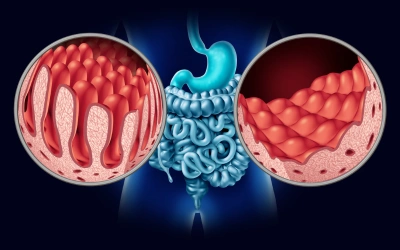
Celiac disease is a type of autoimmune disorder that is activated by gluten intake. It leads to the breakdown of the small intestine lining, which results in nutrient malabsorption. This disease frequently goes undetected as the symptoms are very diverse.
Common GI symptoms in children with celiac disease
- Long, standing diarrhea or constipation
- Abdominal distension
- Failure to thrive or weight loss
- Exhaustion
- Late onset of puberty
- Iron deficiency anemia
Besides, some kids might show signs of behavioral issues and have trouble learning. Being diagnosed early is essential because celiac disease, if it is not treated, can lead to bone formation and growth issues. The principal therapy has been and still is a gluten, free diet.
3. Inflammatory Bowel Disease (IBD)
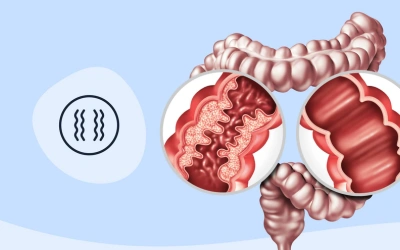
- Chronic diarrhea
- Blood in stools
- Persistent abdominal pain
- Weight loss
- Delayed growth or puberty
- Fatigue
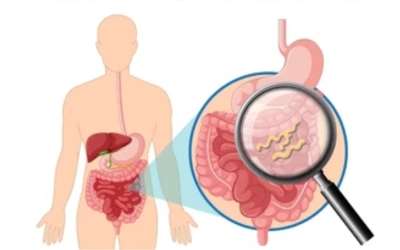
4. Infectious Gastroenteritis
- Sudden onset diarrhea
- Vomiting
- Fever
- Abdominal cramps
- Dehydration
5. Chronic Constipation

- Infrequent bowel movements
- Hard or painful stools
- Abdominal pain or bloating
- Stool withholding behavior
- Reduced appetite
Warning Signs Parents Should Never Ignore
While occasional digestive discomfort is normal, certain symptoms require medical evaluation:
- Persistent abdominal pain
- Blood in stool
- Chronic vomiting or diarrhea
- Poor weight gain
- Delayed growth
- Loss of appetite lasting weeks
When GI symptoms in children interfere with daily life or persist beyond two weeks, consulting a pediatric gastroenterologist is strongly advised.
According to Dr. Vipulroy Rathod, a prominent gastroenterologist in Mumbai, India – “Accurate diagnosis is the foundation of effective pediatric GI care”. His approach emphasizes evidence-based evaluation, compassionate care, and long-term digestive health rather than symptom suppression alone. Parents are encouraged to seek professional guidance instead of relying on unverified remedies.
How Pediatric GI Disorders Are Diagnosed
Diagnosis begins with a thorough medical history and growth assessment. Parents may be asked about feeding patterns, bowel habits, dietary triggers, and family history.
Depending on findings, investigations may include:

Blood tests

Stool analysis

Ultrasound or imaging

Endoscopy or colonoscopy in selected cases
Modern pediatric gastroenterology focuses on accuracy while ensuring comfort and safety for children.
Treatment and Long-Term Management
Dr. Vipulroy Rathod has a holistic and child-centric approach to the management of Pediatric GI problems. He devises treatment plans according to the child’s individual diagnosis, age, and severity of the problem. His treatment plan is child-centric and develops with the child as he/she grows. Dr. Rathod believes that follow-ups and lifestyle changes are essential for the best possible results.
Here is a brief description of the treatment options that Dr. Rathod may prescribe:
- Gastroesophageal Reflux Disease (GERD):
Treatment: Use of proton pump inhibitors (PPIs) or H2 blockers to reduce stomach acid. Long-term care: Follow-up appointments, changes in diet, and monitoring for potential complications like esophageal stricture.
- Celiac Disease:
Treatment: Gluten-free diet for life, and possibly vitamin supplements for deficiencies (iron, calcium). Long-term care: Follow-up appointments to monitor growth, vitamin status, and gluten-free diet adherence.
- Inflammatory Bowel Disease (IBD):
Treatment: Anti-inflammatory drugs (corticosteroids, immunosuppressants), biologic agents (infliximab), and nutritional support. Long-term care: Medications for maintenance of remission, regular screenings, and monitoring growth and development.
- Infectious Gastroenteritis:
Treatment: Supportive care, including rehydration therapy (oral or IV fluids). Antibiotics or antiparasitic drugs may be required if bacterial or parasitic infections are suspected. Long-term care: Monitoring for complete recovery without dehydration or gastrointestinal symptoms.
- Chronic Constipation:
Treatment: Osmotic laxatives, stool softeners, or enemas for relief. Long-term care: Dietary fiber, regular bowel habits, and possibly long-term laxative therapy for relief.
Teaching parents is an important part of successful treatment. Follow-up appointments are required to ensure that symptoms are controlled and growth is on track.
Frequently Asked Questions
Yes, many children have digestive problems, which are mostly treatable.
Occasional pain is normal, but persistent pain requires examination.
