Fatty Liver Treatment in Mumbai, India
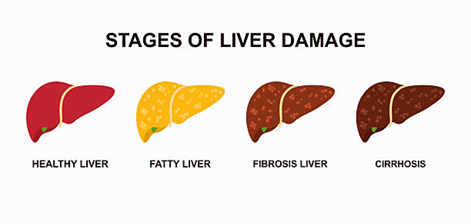
Fatty liver disease occurs when excess fat builds up in the liver, often without early symptoms. While it can result from excessive alcohol consumption (alcoholic fatty liver), the more common form, non-alcoholic fatty liver disease (NAFLD), is linked to metabolic factors such as obesity, diabetes, and high cholesterol. If not addressed, fatty liver disease can progress to severe liver conditions like cirrhosis or liver cancer.
Dr. Vipulroy Rathod, a globally acclaimed gastroenterologist in Mumbai, India, emphasizes, “With the right approach, fatty liver disease can often be reversed, or its progression slowed significantly. Early detection through regular screening and tailored treatment can help prevent long-term liver damage.”
With over three decades of expertise in treating complex liver diseases, Dr. Rathod specializes in fatty liver treatment in Mumbai, India, offering a combination of advanced diagnostics, personalized care, and the latest medical techniques to manage the condition.
Dr. Rathod believes in a holistic approach, stating, “Treating fatty liver requires more than just addressing the liver itself; it’s about managing underlying conditions like obesity, diabetes, and high cholesterol. Lifestyle changes are often the most effective way to reverse or prevent further damage.” His comprehensive approach has helped countless patients improve their liver health, offering them a better quality of life through timely intervention and personalized treatment strategies.
What causes fatty liver disease? Let’s explore the key risk factors associated with it.
Causes and Risk Factors of Fatty Liver Disease
Advanced endoscopy is a cutting-edge, minimally invasive technique used to diagnose and treat disorders of the gastrointestinal tract. Endoscopic procedures involve the use of a flexible tube fitted with a camera and specialized instruments that are inserted through natural openings like the mouth or rectum.
Fatty liver disease can develop for a variety of reasons, and understanding the causes and risk factors is essential in preventing or managing the condition. Some of the common causes and risk factors include:
Obesity
Excess body fat, particularly abdominal fat, increases the risk of fatty liver disease.
High Cholesterol
Elevated levels of bad cholesterol (LDL) and triglycerides contribute to fat accumulation in the liver.
Alcohol Consumption
Excessive alcohol intake can cause alcoholic fatty liver disease, a separate but related condition.
Medications
Some drugs, like corticosteroids, can increase the risk of developing fatty liver.
Metabolic Syndrome
Conditions like high blood pressure, abdominal obesity, and insulin resistance are key risk factors.
Diabetes
Type 2 diabetes and insulin resistance are strongly linked to fatty liver disease.
Poor Diet
Diets high in processed foods, sugars, and unhealthy fats can lead to fatty liver.
Genetics
Family history can play a role in increasing susceptibility to fatty liver disease.
Age
The risk increases with age, especially in those over 50.
Hormonal Changes
Conditions like hypothyroidism or polycystic ovary syndrome (PCOS) can raise the risk.
How is fatty liver disease diagnosed? Let’s find out what advanced diagnostic methods are employed in this evaluation.
Advanced Diagnostic Approaches for Fatty Liver Disease
Although early diagnosis of fatty liver disease can prevent its complications, most people do not show any symptoms until the disease advances. For this reason, the latest diagnostic methods are required to diagnose fatty liver disease at an early stage. Dr. Rathod utilizes the latest facilities for the diagnosis of fatty liver disease through:

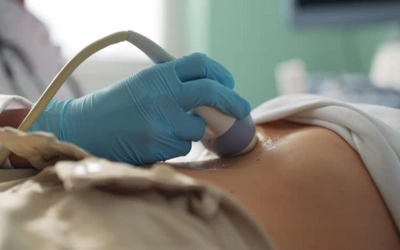
Ultrasound
This is a common technique used to detect fat deposition in the liver.
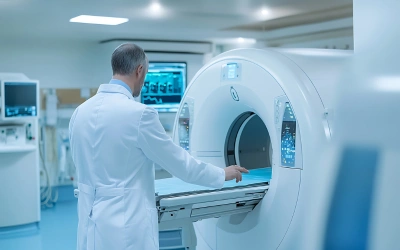
CT Scan or MRI
These procedures give a more detailed image of the liver. It also helps determine the extent of the disease.
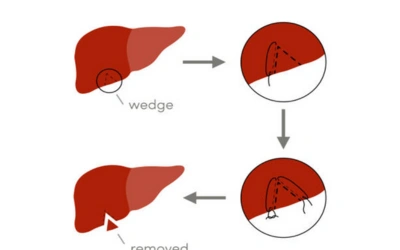
Liver Biopsy
In some instances, a biopsy may also need to be done to help establish how much damage has occurred to the liver, as well as if it has reached a point where it is cirrhotic.
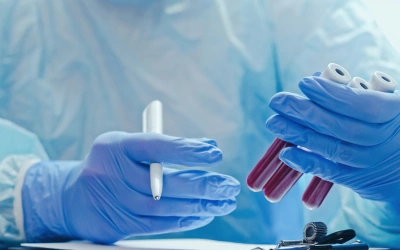
Blood Tests
Blood tests may be helpful in the process of evaluating liver function as well as the identification of markers associated with liver-related pathologies.
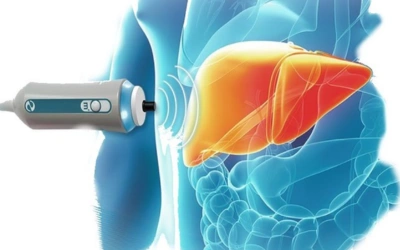
Elastography
This is a test that measures liver “stiffness” that will help to ascertain if there is liver scarring, indicative of advanced fatty liver disease.
There are several treatments that can be used to treat or manage a fatty liver condition. In this section, let’s discuss a couple of those treatments.
Fatty Liver Treatment Offered by Dr. Vipulroy Rathod
Treatment for fatty liver disease is highly individualized to each patient’s specific needs. Dr. Vipulroy Rathod follows a personalized treatment protocol, which entails the following:

Lifestyle Changes
Dr. Rathod also emphasizes that a healthy diet and regular physical activity are essential to manage and reverse fatty liver. Eating healthy foods such as vegetables, lean meats and healthy fats can help decrease the fat buildup in the liver.
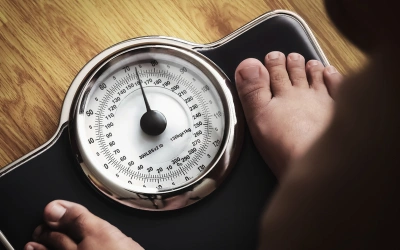
Weight Management
In obese or overweight patients, weight loss is necessary. Achievement of a 5-10% reduction in body weight has been shown to improve the health of the liver significantly and decrease the accumulation of fat.
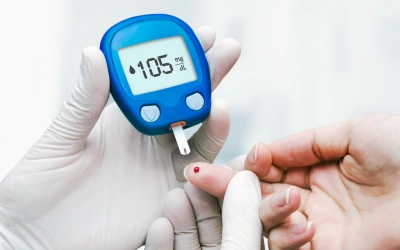
Managing Underlying Conditions:
Dr. Rathod aims to manage underlying factors, which include diabetes, high cholesterol, and high blood pressure, and are important to prevent the progression of fatty liver to advanced stages.
Medications
On the basis of the severity of the disease, some medicines may also be required to manage the conditions associated with fatty liver such as controlling blood sugar or cholesterol.
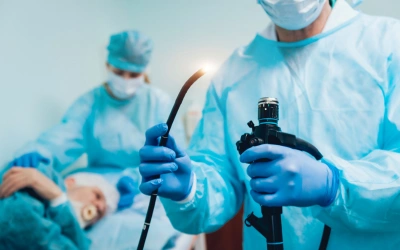
Advanced Endoscopic Procedures:
In some cases, Dr. Rathod may utilize endoscopic procedures to diagnose and manage liver-related issues, such as a liver biopsy for accurate staging or endoscopic ultrasound (EUS) to assess liver health and detect complications.
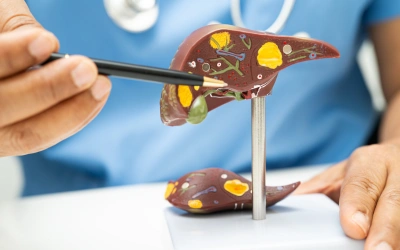
Monitoring Liver Health
Dr. Rathod provides ongoing monitoring through regular check-ups, blood tests, and imaging to assess liver function and ensure that the treatment plan remains effective.

Why Choose Dr. Vipulroy Rathod for Fatty Liver Treatment?
Choosing the right specialist is crucial for effective and long-term management of fatty liver disease. Here are unique reasons why Dr. Vipulroy Rathod stands out as the best choice for fatty liver treatment in Mumbai, India:
Expertise in Advanced Gastroenterology
With over 30 years of experience, Dr. Rathod is a leading gastroenterologist with a deep understanding of liver diseases, including fatty liver disease. His expertise ensures accurate diagnosis and the most effective treatment strategies.
Specialized in Endoscopic Procedures:
Dr. Rathod’s proficiency in advanced endoscopic techniques, such as Endoscopic Ultrasound (EUS), allows him to assess liver health with precision and address underlying issues that traditional methods may miss.
Cutting-Edge Diagnostic Tools
Using advanced diagnostic tools, Dr. Rathod can identify fatty liver disease in its early stages, providing a higher chance for successful treatment and reversal.
Comprehensive and Personalized Care
Dr. Rathod tailors each treatment plan based on individual patient needs, focusing on both medical management and lifestyle changes to effectively manage and reverse fatty liver disease.
Focus on Preventive Care
Apart from treatment, prevention is the focus that Dr. Rathod encourages in his patients to control the causes of a fatty liver to minimize the risk of the disease.
Global Recognition and Expertise
Recognized globally for his innovative approach and contribution to gastroenterology, Dr. Rathod is known for offering state-of-the-art treatments backed by years of clinical success.
Trust an expert for your fatty liver treatment. Reach out today and take the first step toward better liver health.
Still have questions? Let’s answer some common—and not-so-common—queries patients often have.
Frequently Asked Questions
Alcoholic fatty liver disease is caused by excessive alcohol consumption, while non-alcoholic fatty liver disease (NAFLD) is linked to metabolic conditions like obesity and diabetes.
Yes, fatty liver disease can be reversed with lifestyle changes such as weight loss, a balanced diet, and regular exercise.
Fatty liver disease may not have symptoms in its early stages. Diagnostic tests such as ultrasounds or blood tests can help identify the condition.
If left untreated, fatty liver disease can progress to cirrhosis or liver cancer. Early intervention is crucial.
It is generally recommended to avoid alcohol if you have fatty liver disease, especially alcoholic fatty liver disease.
Maintaining a healthy weight, eating a balanced diet, exercising regularly, and avoiding excessive alcohol consumption can help prevent fatty liver disease.
Yes, if fatty liver disease progresses without treatment, it can lead to cirrhosis or liver failure.
Disclaimer: The information shared in this content is for educational purposes and not for promotional use.