GI Cancer Treatment in Mumbai, India
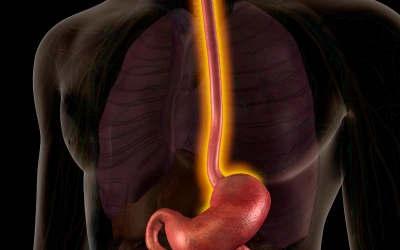
The digestive system — from the esophagus to the rectum — does a lot more than just break down food — it fuels the body, keeps you active, and supports nearly every function you can think of. But when cancer begins to grow in any part of this tract, it can significantly affect one’s quality of life. Gastrointestinal (GI) cancers, which include cancers of the stomach, colon, liver, pancreas, and esophagus, are among the most common types globally, accounting for nearly 26% of all cancer cases and 35% of cancer-related deaths worldwide, according to recent data from the WHO.
In India, doctors have noticed a steady rise in GI cancer cases over the last decade. Changing diets, sedentary lifestyles, and the habit of ignoring early symptoms have played a big role. Many people are diagnosed too late — often when the disease has already advanced.
But there’s good news …
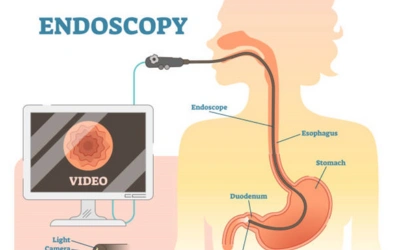
With the help of high-definition endoscopy and minimally invasive procedures, doctors are now able to detect and treat cancers far earlier than before — giving patients a real chance at recovery.
Dr. Vipulroy Rathod, an esteemed Gastroenterologist in Mumbai, India, shares:
“When it comes to GI cancers, timing and precision make all the difference. Early diagnosis allows us to use targeted and minimally invasive techniques, which means fewer complications, faster recovery, and better outcomes for patients.”
Let’s begin with understanding the different types of GI cancers and how to recognize their warning signs.
Common GI Cancers and Their Symptoms
GI cancers can occur in various organs of the digestive tract, and each has its unique set of symptoms. Recognizing these early can make a crucial difference in treatment outcomes.
Here are some of the most common types:

Esophageal Cancer
· Usually begins in the lining of the esophagus and is linked to smoking, alcohol use, and acid reflux · Common symptoms include difficulty swallowing, chest pain, and unexplained weight loss
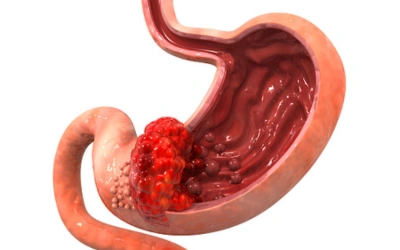
Stomach (Gastric) Cancer
· May develop silently until advanced stages · Patients may notice persistent bloating, nausea, or loss of appetite
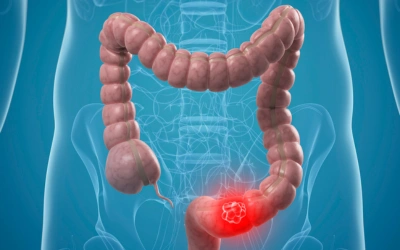
Colorectal Cancer
· One of the most prevalent cancers worldwide · Signs include changes in bowel habits, blood in stool, and fatigue
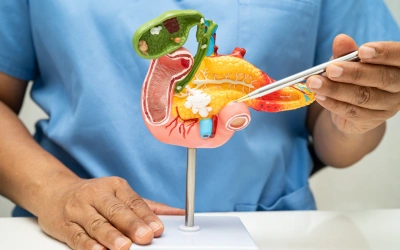
Pancreatic Cancer
· Known for being aggressive and hard to detect early · Symptoms often include jaundice, abdominal pain, and loss of weight
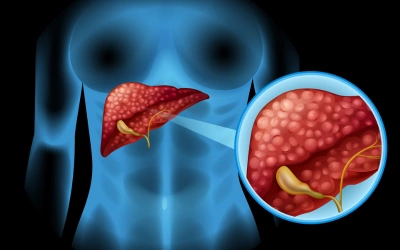
Liver Cancer
· Often associated with chronic liver disease or hepatitis · Early signs include swelling in the abdomen and yellowing of the skin and eyes
Now, let’s dive into the treatment innovations that are reshaping GI cancer care worldwide.
Advanced Treatment Options for GI Cancer
With rapid progress in medical technology, GI cancer treatments have evolved beyond conventional surgery. Today, multidisciplinary care offers better precision, faster recovery, and improved outcomes.
Here are some of the advanced approaches used:

Endoscopic Procedures
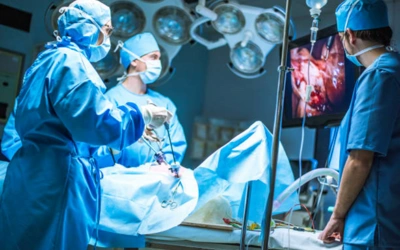
Minimally invasive methods such as Endoscopic Mucosal Resection (EMR) and Endoscopic Submucosal Dissection (ESD) allow removal of early-stage tumors without open surgery.

Laparoscopic and Robotic Surgery
These techniques minimize scarring and recovery time while maintaining surgical accuracy.

Chemotherapy and Targeted Therapy
Used to destroy cancer cells or stop their growth. Targeted therapy focuses on specific molecular pathways, reducing harm to healthy tissue.
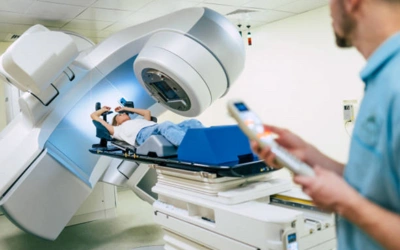
Radiation Therapy
Helps control or eliminate tumors, particularly when surgery isn’t an option.

Immunotherapy
A cutting-edge approach that boosts the body’s immune system to fight cancer more effectively.
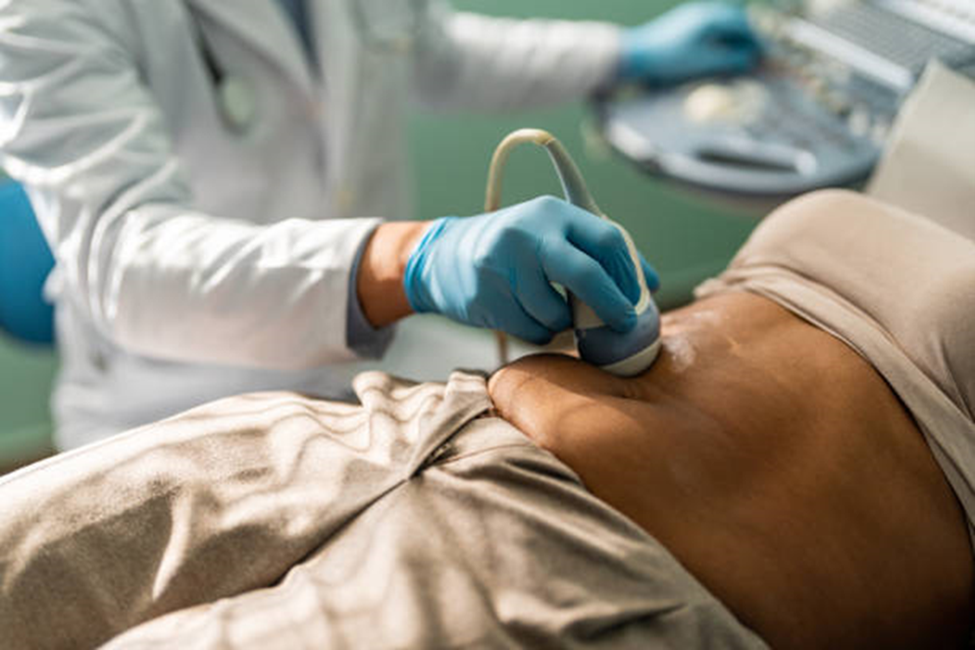
According to Dr. Vipulroy Rathod, a pioneering GI Endoscopy Expert in Mumbai, India, “The integration of endoscopic, surgical, and targeted therapies allows us to personalize every patient’s treatment. This approach not only improves success rates but also ensures a better quality of life post-treatment.”
Treatment is one part of the journey … comprehensive care involves ongoing support and expertise. Let’s look at how Dr. Rathod ensures complete care throughout the treatment process.
Comprehensive GI Cancer Care by Dr. Vipulroy Rathod
Dr. Vipulroy Rathod brings over two decades of clinical excellence and innovation to the field of gastroenterology. He’s known for blending advanced diagnostic tools with a patient-first approach. His clinic offers a seamless pathway — from early detection to recovery — ensuring every patient receives personalized, compassionate care.
What Makes His Approach Unique:
Precision Diagnosis
High-resolution endoscopy and imaging to detect early changes in tissues.
Multidisciplinary Collaboration
A team of oncologists, pathologists, and nutrition experts ensuring comprehensive management.
Patient Comfort and Safety
Focus on minimizing discomfort and supporting recovery through every phase.
Long-term Monitoring
Regular follow-ups to detect any recurrence early and guide lifestyle modifications.
Expertise, technology, and empathy are what define truly effective care. Here’s why choosing the right team for GI cancer treatment matters more than ever.
Why Choose Our GI Cancer Treatment Services?
Selecting the right treatment provider can make a significant difference in recovery and survival outcomes. At the heart of effective GI cancer treatment lies precision, experience, and comprehensive support.
Here’s why patients place their trust in this care approach:
State-of-the-Art Facilities
Equipped with advanced diagnostic and endoscopic technologies for precise tumor detection and treatment.
Evidence-Based Treatment
Every protocol follows international guidelines, ensuring accuracy and effectiveness.
Individualized Patient Care
Each patient’s case is handled with empathy, clarity, and transparency.
Focus on Quality of Life
Treatment plans are designed to reduce discomfort and enhance recovery speed.
Continuous Research and Innovation:
Regular adaptation of global best practices keeps the care approach aligned with evolving advancements.
Dr. Vipulroy Rathod, an accomplished Gastroenterologist in Mumbai, India, remarks:
“True cancer care goes beyond technology — it’s about commitment to human life. Every diagnosis carries a story, and our role is to help that story continue with health and dignity.”
Still have questions about GI cancer and how it’s managed? Let’s address some of the most common queries below.
Frequently Asked Questions
GI cancers can result from a mix of genetic, environmental, and lifestyle factors such as poor diet, obesity, smoking, and alcohol consumption. Chronic inflammation and infections like H. pylori or hepatitis can also play a role.
Yes. Regular screenings and endoscopic evaluations are key for early detection. Identifying precancerous changes in tissues can prevent cancer progression.
Not necessarily. Early-stage cancers can often be treated with endoscopic or minimally invasive methods, reducing the need for open surgery.
Survival depends on the type, stage, and overall health of the patient. However, with timely diagnosis and modern treatments, survival rates have significantly improved in recent years.
Maintaining a healthy diet rich in fiber, avoiding tobacco, limiting alcohol, exercising regularly, and getting routine screenings can help lower risk.
Disclaimer: The information shared in this content is for educational purposes only and not for promotional use.